
Why Industrial Floor Marking is Essential for Workplace Safety
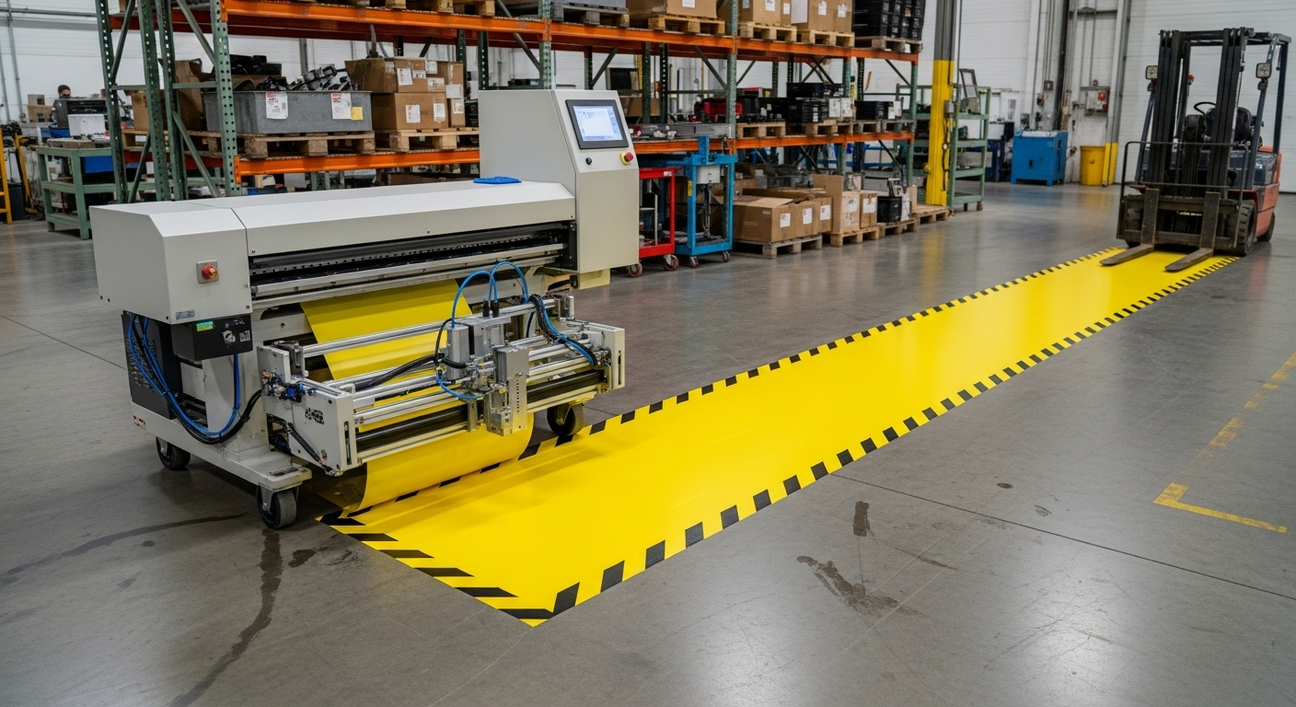
Maintaining a safe and organized workplace is critical for any industrial facility. One of the most effective ways to achieve this is through industrial floor marking. Properly marked floors guide employees, prevent accidents, and improve overall operational efficiency. Companies like Archford specialize in providing durable floor marking solutions designed to enhance workplace safety and compliance.
Introduction
Workplace safety is not just a regulatory requirement—it is a responsibility to protect employees and visitors. One of the simplest yet most effective safety measures is floor safety markings. These markings help define pathways, indicate hazards, and provide visual cues that keep everyone safe while streamlining workflow in industrial environments.
What is Industrial Floor Marking?
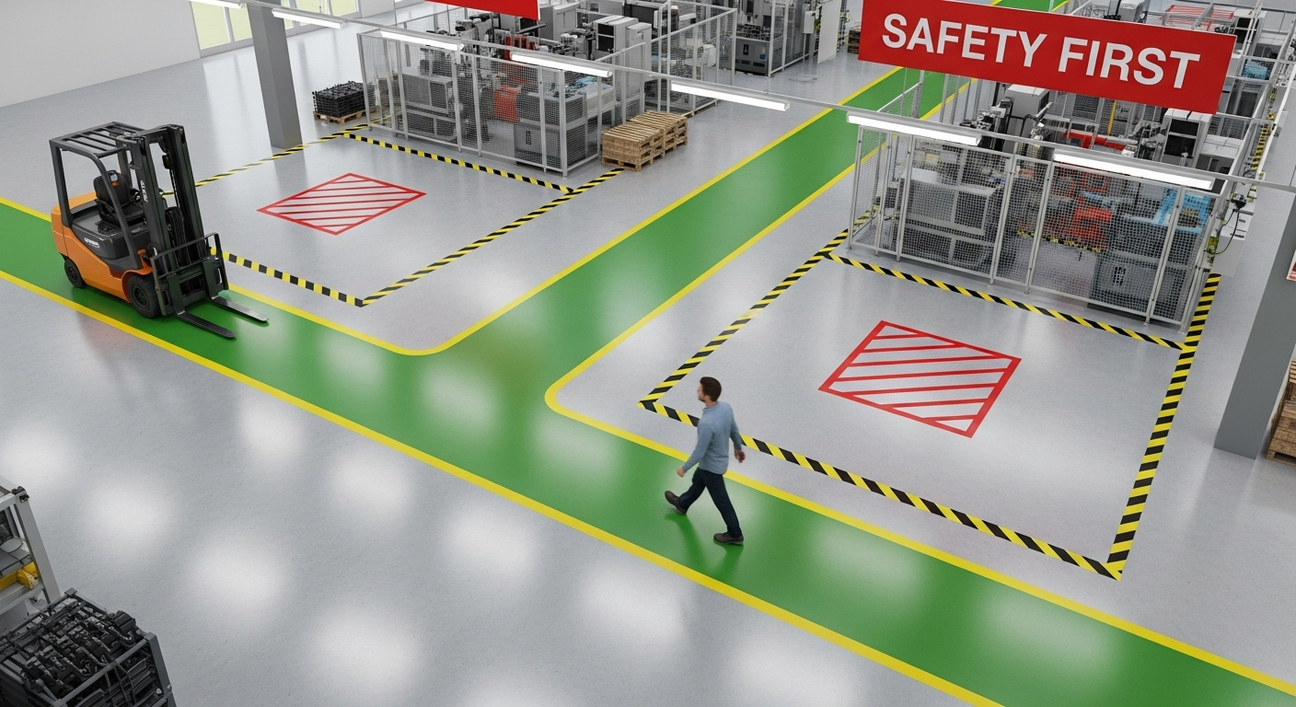
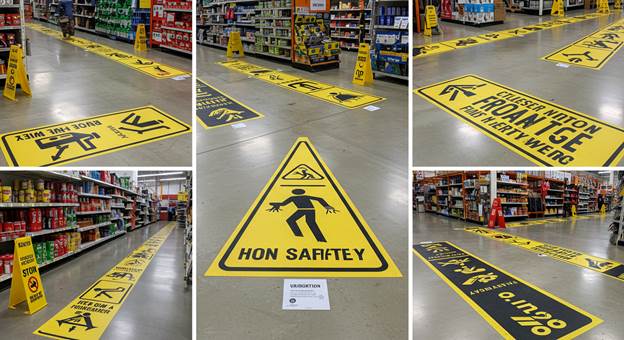
Industrial floor marking involves applying lines, symbols, or colors directly on the floor to designate zones, guide movement, or highlight hazards. Common types include:
Straight or dashed lines to separate pedestrian and machinery zones
Arrows indicating direction of traffic flow
Symbols for equipment, fire exits, or safety equipment
Color-coded markings to convey specific messages
These visual cues communicate essential safety information quickly and clearly.
Benefits of Industrial Floor Marking
Implementing floor markings provides several benefits:
Preventing Accidents and Injuries
Clear floor safety markings reduce the risk of collisions between forklifts and pedestrians, prevent slips and falls, and alert workers to hazardous areas.
Improving Workflow and Efficiency
Floor markings help organize production areas and pathways, reducing confusion and minimizing downtime caused by traffic jams or misplaced materials.
Guiding Employees and Visitors
Visitors and new employees can quickly navigate the facility, minimizing disruptions and improving operational efficiency.
Enhancing Compliance with Safety Regulations
Proper hazard markings help businesses meet OSHA and ANSI requirements, reducing the risk of fines or penalties during inspections.
Key Areas for Floor Marking in the Workplace
Effective floor marking requires identifying the areas that need the most attention:
Walkways and Pedestrian Zones – Clearly marked pathways prevent pedestrians from entering high-risk areas.
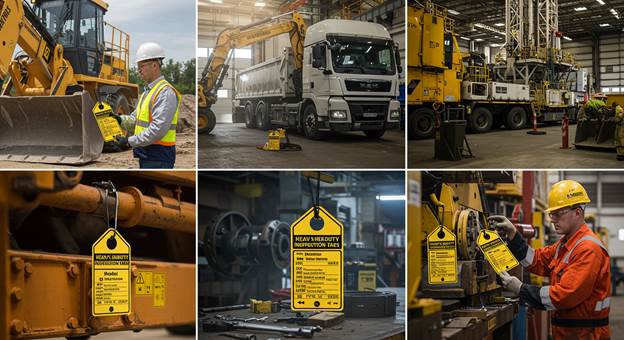
Machinery and Equipment Zones – Marking areas around machines alerts workers to operational hazards.
Hazardous Areas and Emergency Exits – Bold hazard markings and clear exit paths improve safety in case of emergencies.
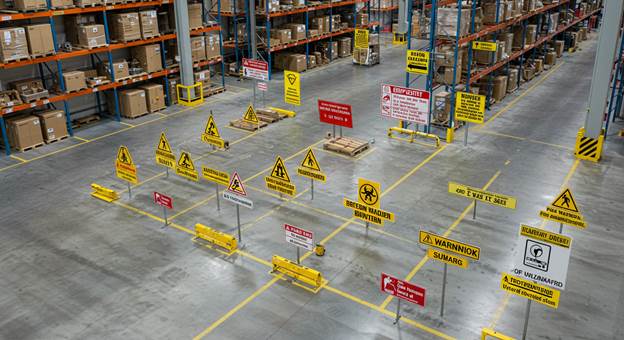
Storage and Inventory Areas – Floor markings designate storage zones, keeping aisles clear and reducing trip hazards.
By focusing on these areas, businesses create a safer, more organized workplace.
Color Codes and Symbols in Floor Marking

Colors and symbols are critical in industrial floor marking:
OSHA and ANSI Color Standards – Standardized colors convey specific messages, ensuring everyone understands the meaning.
Common Colors:
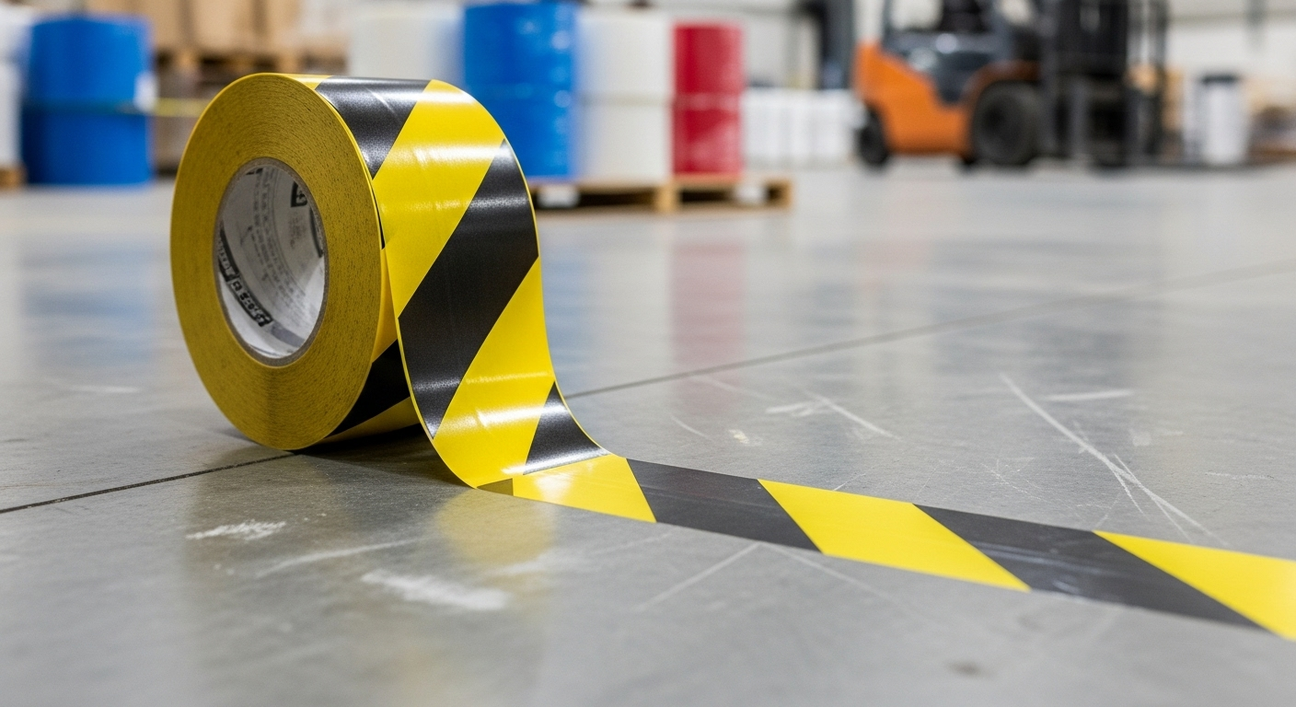
Yellow: caution or traffic paths
Red: fire-related hazards or emergency stops
Green: safety equipment or safe areas
Blue: informational signs
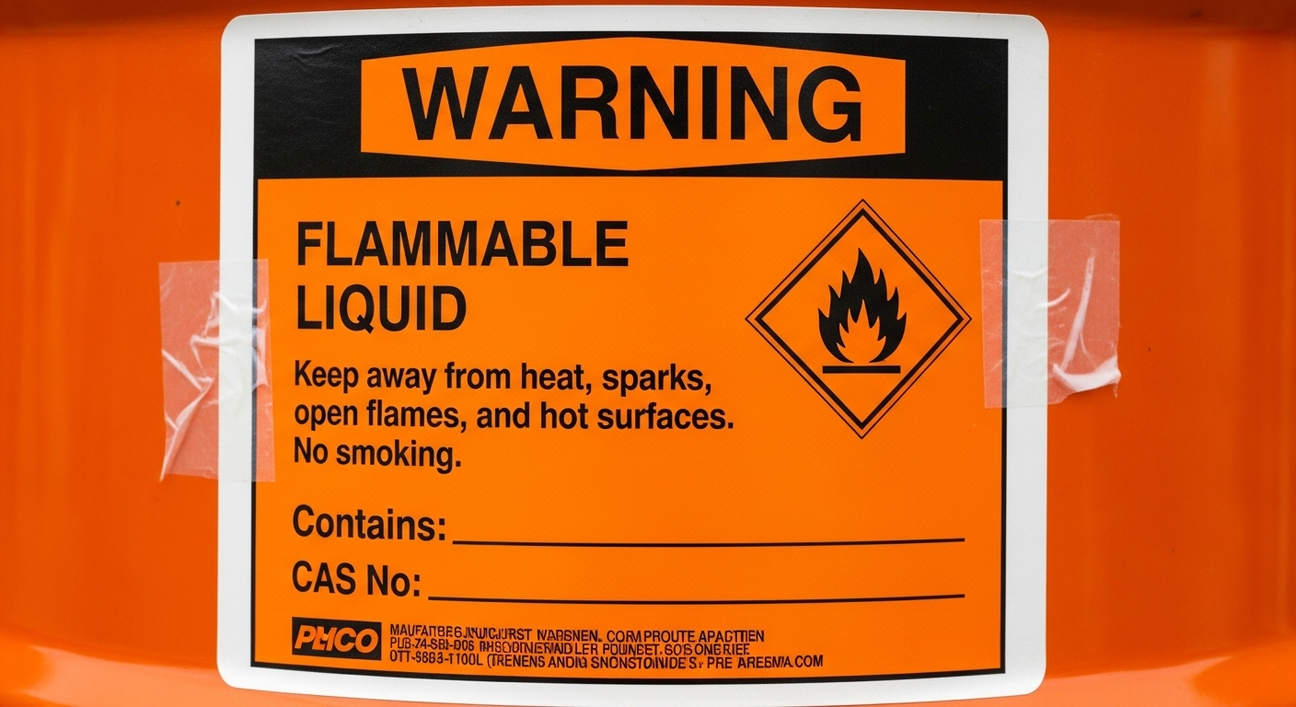
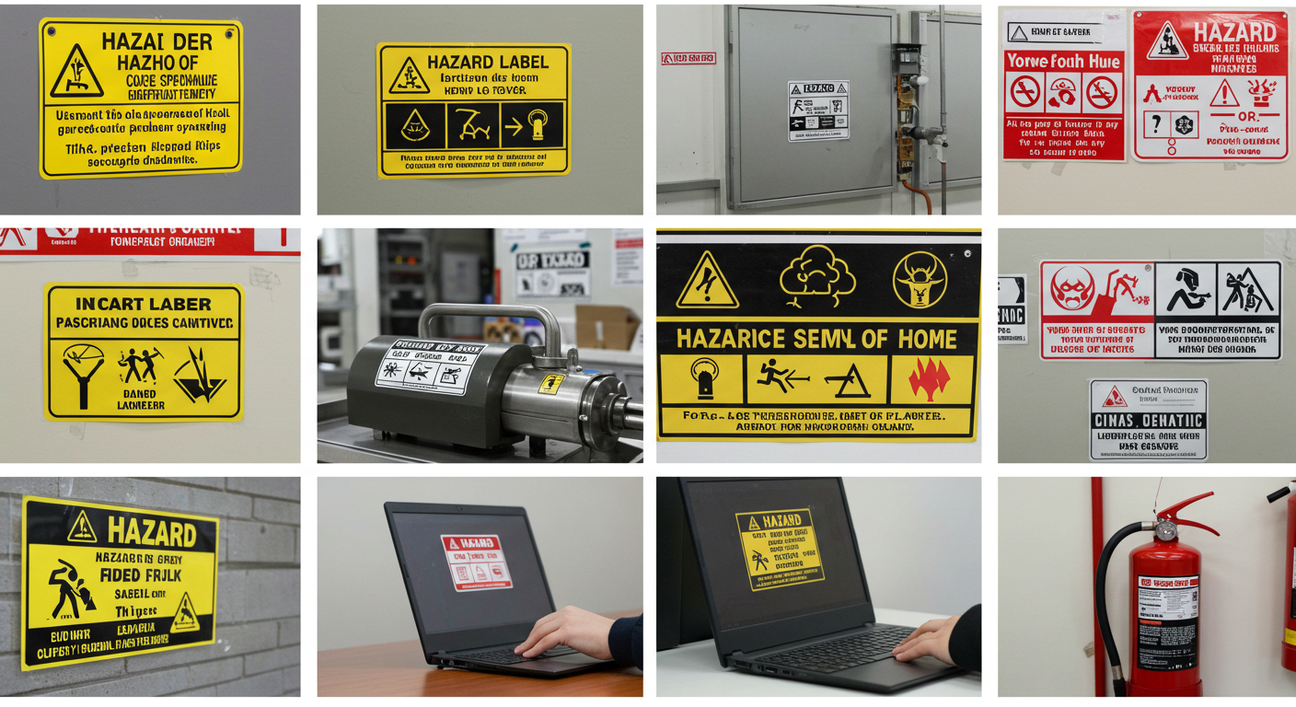
Symbols – Pictograms for forklifts, fire extinguishers, or chemical hazards provide instant recognition.
Consistent use of colors and symbols makes floor markings more effective and helps maintain workplace safety.
Materials and Methods for Floor Marking
Selecting the right materials ensures durability and visibility:
Paint – Cost-effective and suitable for low-traffic areas; can be applied in various colors.
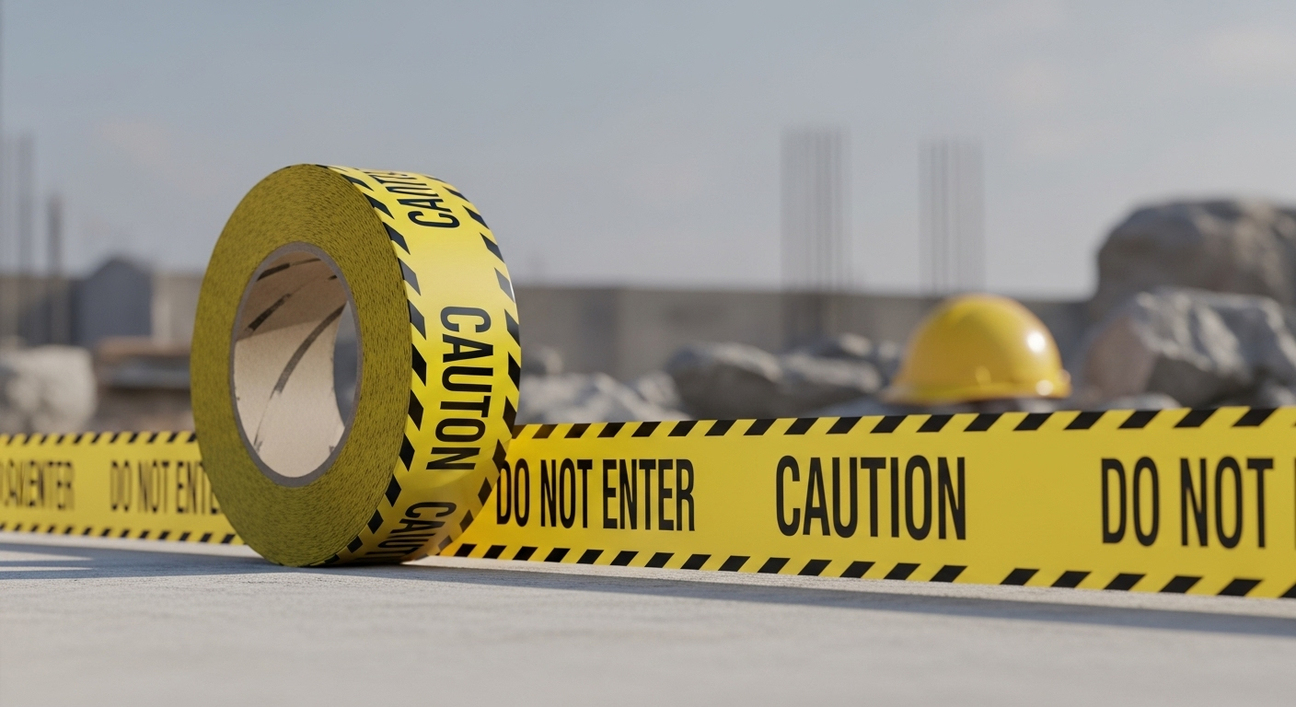
Tape – Easy to install and replace; ideal for temporary markings.
Epoxy or Vinyl – Long-lasting, resistant to chemicals, and suitable for high-traffic areas.
Non-Slip Materials – Reduce the risk of slips in areas exposed to liquids or oils.
The choice of material depends on traffic levels, environmental conditions, and whether the markings are permanent or temporary.
Implementing a Floor Marking Plan
A well-thought-out plan is essential for effective floor marking:
Assess Workplace Hazards – Identify areas with the highest risk of accidents or congestion.
Design a Marking Layout – Plan colors, symbols, and lines based on OSHA/ANSI standards.
Installation Best Practices – Clean and prepare surfaces, measure precisely, and ensure markings are visible.
Maintenance and Reapplication – Check for fading, peeling, or damaged markings and refresh them as needed.
A structured approach maximizes the effectiveness of floor safety markings.
Common Mistakes to Avoid
Avoiding common errors ensures long-lasting and effective floor markings:
Fading or Worn-Out Markings – Replace worn lines promptly to maintain visibility.
Inconsistent Colors or Symbols – Follow a standard system to avoid confusion.
Ignoring Traffic Flow – Ensure markings accommodate both pedestrian and machinery paths for safety.
Correct planning and maintenance reduce the risk of accidents and enhance compliance.
Cost vs Safety: The Investment Worth Making
While installing industrial floor markings has upfront costs, the benefits far outweigh them:
Reducing Workplace Accidents – Clear markings prevent injuries and potential compensation claims.
Improving Productivity – Well-marked pathways and zones minimize delays and confusion.
Compliance with Regulations – Avoid fines for non-compliance with OSHA and ANSI standards.
Investing in high-quality floor marking solutions is an investment in both employee safety and operational efficiency.
Final Remarks

Industrial floor marking is more than just lines on the floor—it is a vital part of workplace safety and organization. Properly implemented floor markings guide employees, prevent accidents, improve workflow, and ensure compliance with safety regulations. By using reliable solutions from trusted providers like Archford, businesses can create a safer and more efficient industrial environment. Clear, consistent, and durable floor safety markings are a small investment that delivers significant long-term benefits for both workers and operations.
FAQs
What is industrial floor marking?
Industrial floor marking involves applying lines, colors, and symbols on floors to designate walkways, hazard areas, and equipment zones, improving workplace safety.
Why is floor marking important for workplace safety?
Proper floor safety markings prevent accidents, guide employees, and ensure compliance with OSHA and ANSI standards.
What materials are used for floor markings?
Common materials include paint, tape, epoxy, and non-slip vinyl. High-quality solutions, like those from Archford, ensure durability in industrial environments.
How do color codes and symbols work?
Colors and symbols communicate safety messages quickly: yellow for caution, red for fire hazards, green for safe areas, and blue for information.
How often should floor markings be maintained?
Regular inspection and reapplication are necessary to prevent fading or damage, ensuring hazard markings remain visible and effective.