

Improve Productivity with Proper Workplace Safety Practices
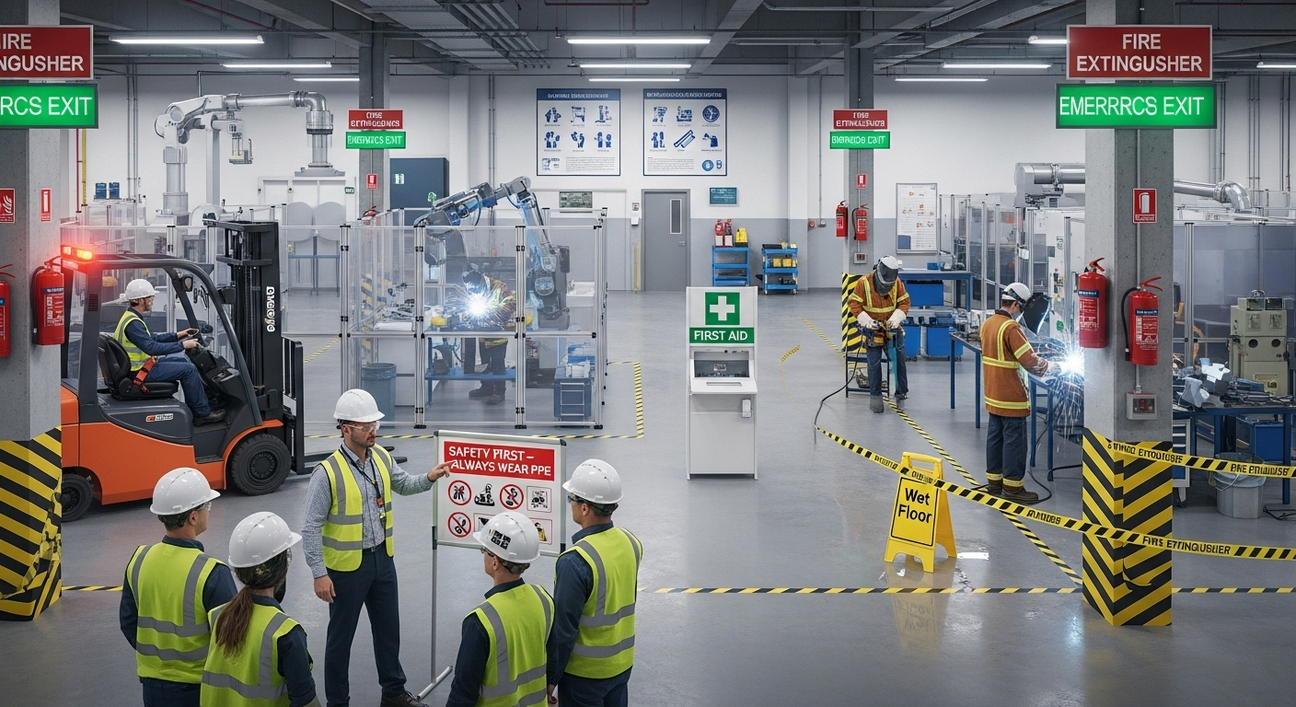
Workplace safety isn’t just about preventing accidents—it directly impacts industrial productivity. Companies that prioritize workplace safety practices create a more efficient, organized, and productive environment. When employees feel safe, they can focus on their tasks without fear, and businesses benefit from fewer disruptions, lower absenteeism, and a smoother safety workflow.
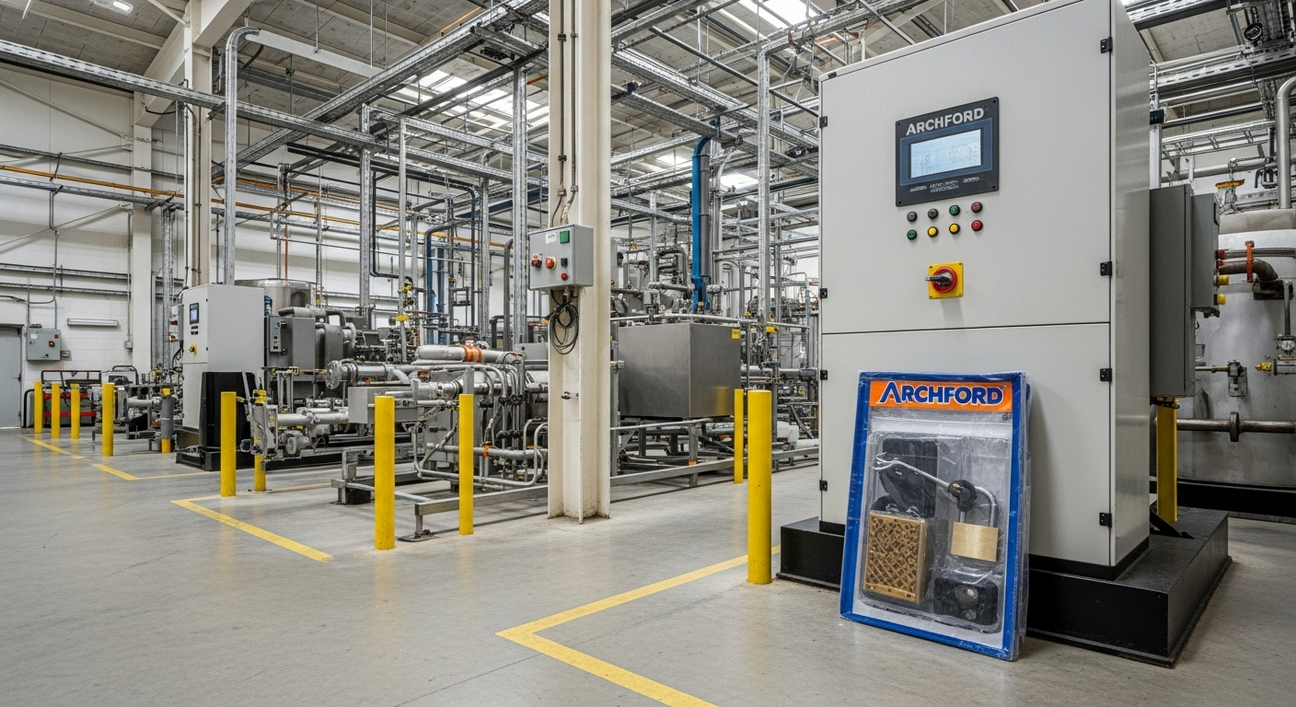
Brands like Archford provide resources and tools that help industrial facilities implement effective safety practices while boosting workplace efficiency.
Understanding Workplace Safety
Workplace safety practices encompass procedures, equipment, and behaviors designed to protect employees from hazards. Common workplace risks include:
Physical hazards: machinery, tools, slips, and falls
Chemical hazards: exposure to harmful substances
Ergonomic hazards: repetitive motions, improper workstation setups
Environmental hazards: poor lighting, noise, temperature extremes
By addressing these hazards, companies can create safer environments, reducing accidents and improving employee safety practices, which in turn boosts industrial productivity.
Workplace Safety Regulations and Compliance
Adhering to OSHA regulations and other industrial safety standards is essential. Compliance ensures that companies:
Avoid fines and legal issues
Reduce the risk of workplace injuries
Maintain a positive reputation
Following these regulations is not just legal—it enhances workplace efficiency by preventing disruptions caused by accidents and non-compliance.
Employee Training and Safety Awareness

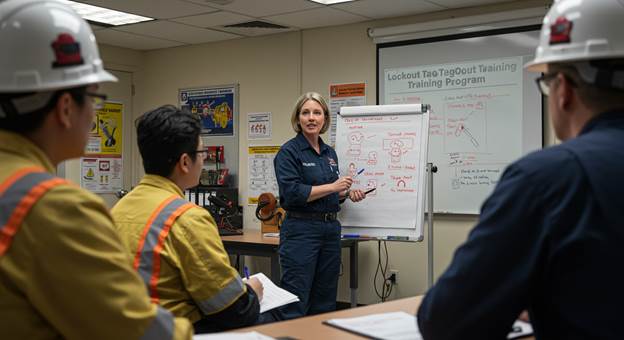
Educated employees are confident employees. Safety training is a core component of workplace safety practices:
Conduct regular sessions on hazard identification and proper response
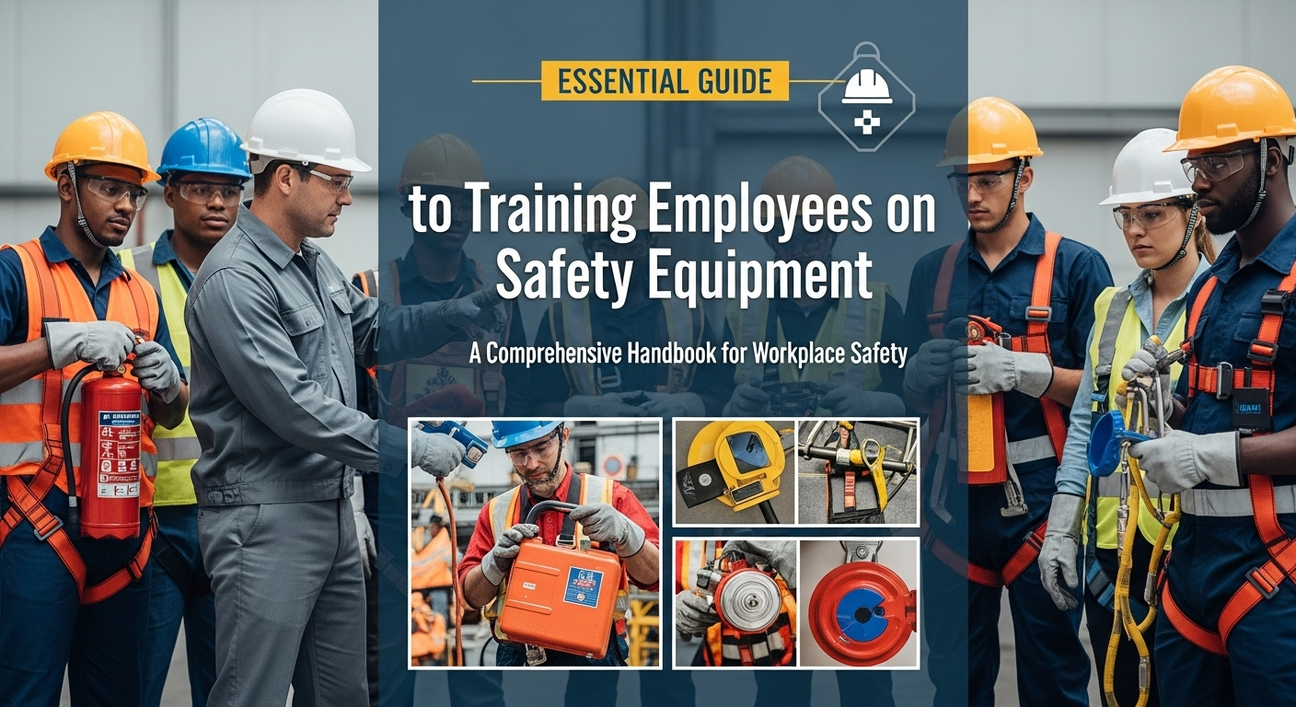
Offer hands-on demonstrations of equipment safety
Promote awareness of employee safety practices throughout the organization
A trained workforce ensures a smoother safety workflow, reducing accidents and operational downtime.
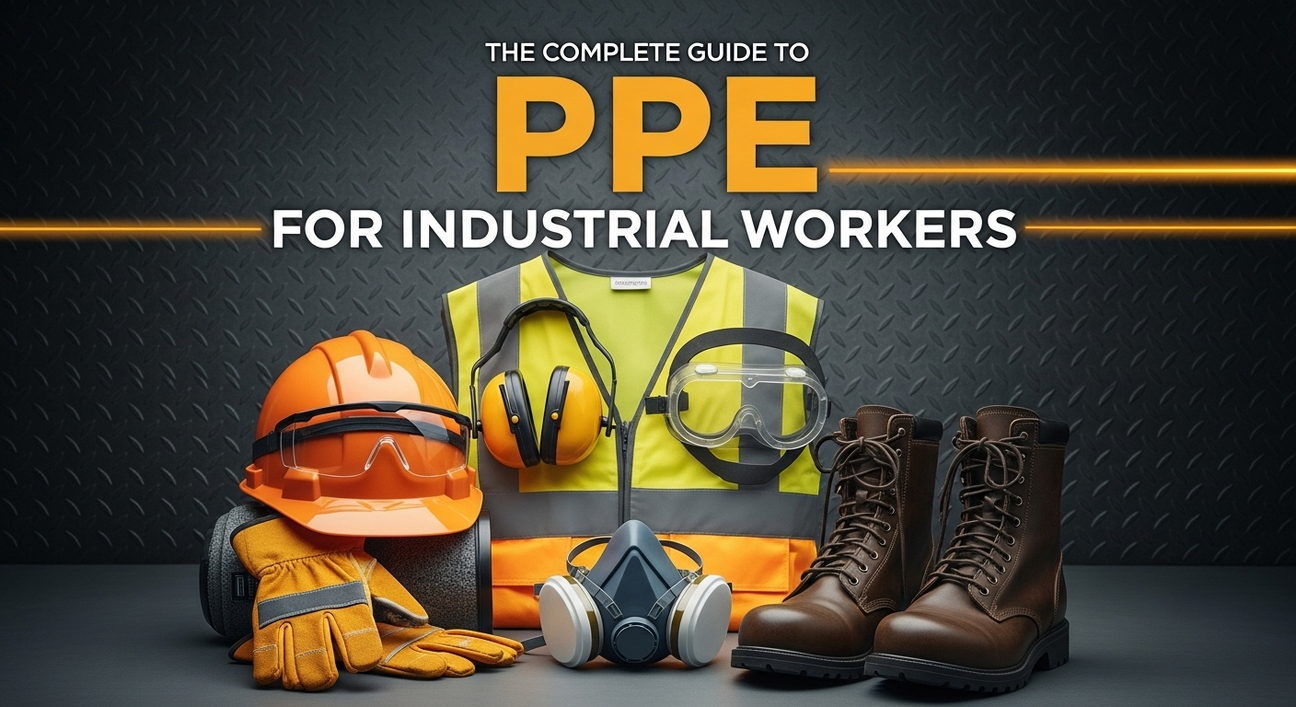
Personal Protective Equipment (PPE) and Safety Gear
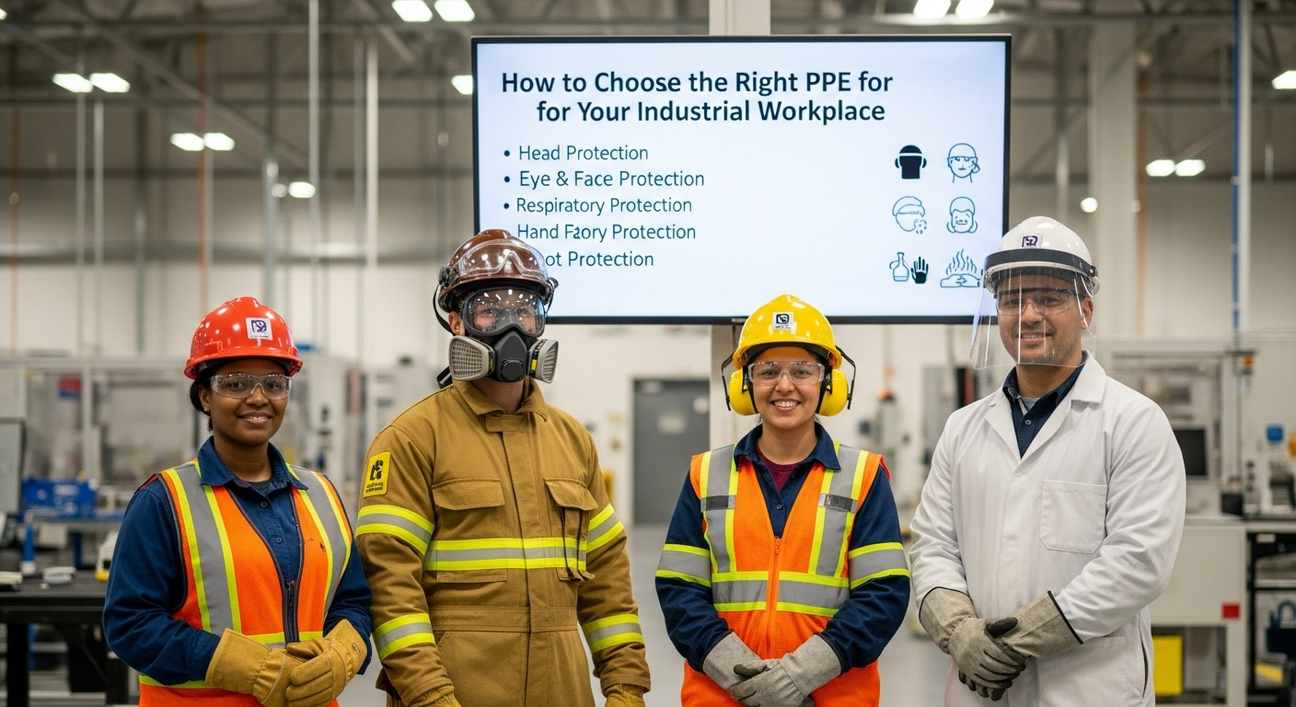
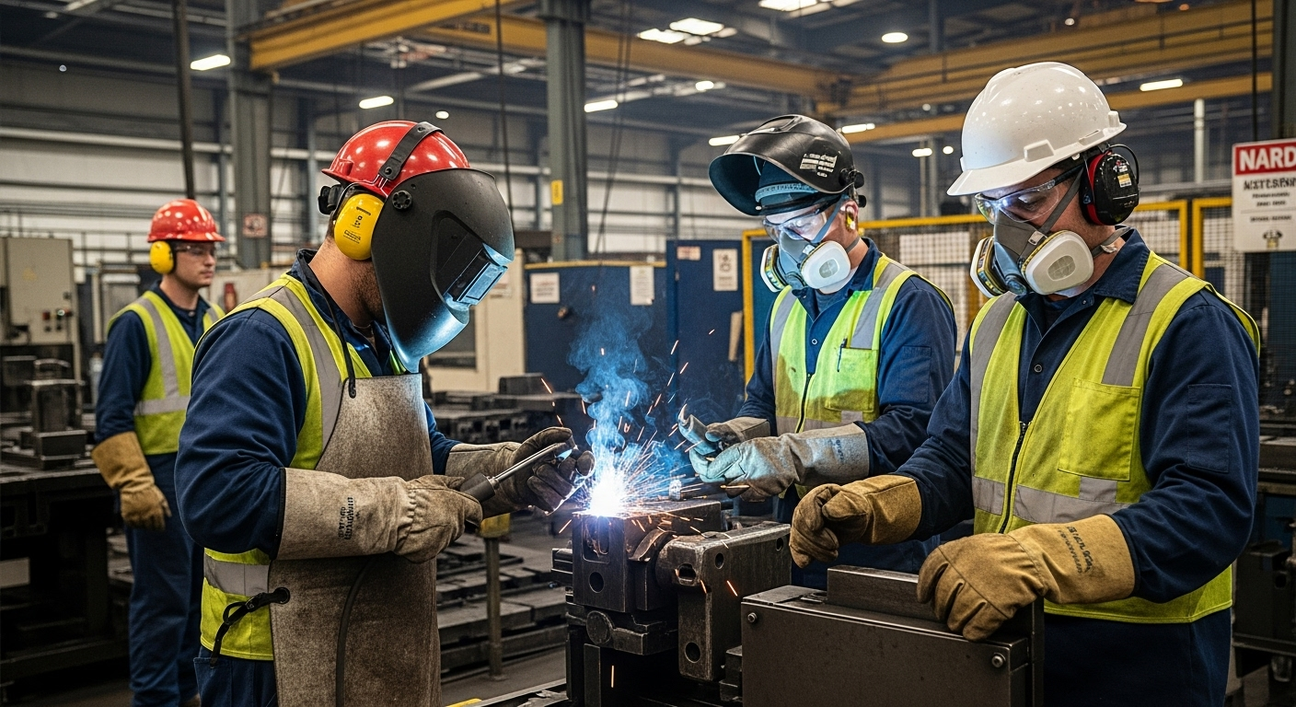
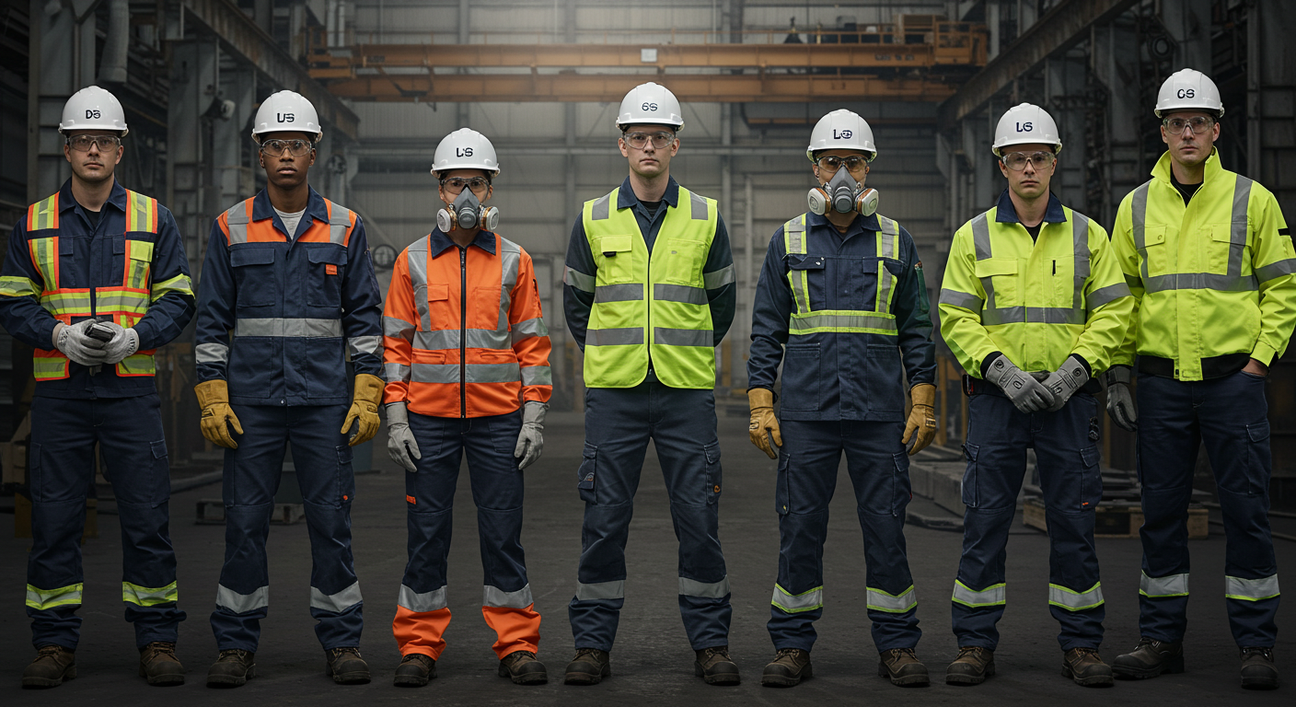
Proper use of PPE and safety gear is vital for accident prevention. Companies should:
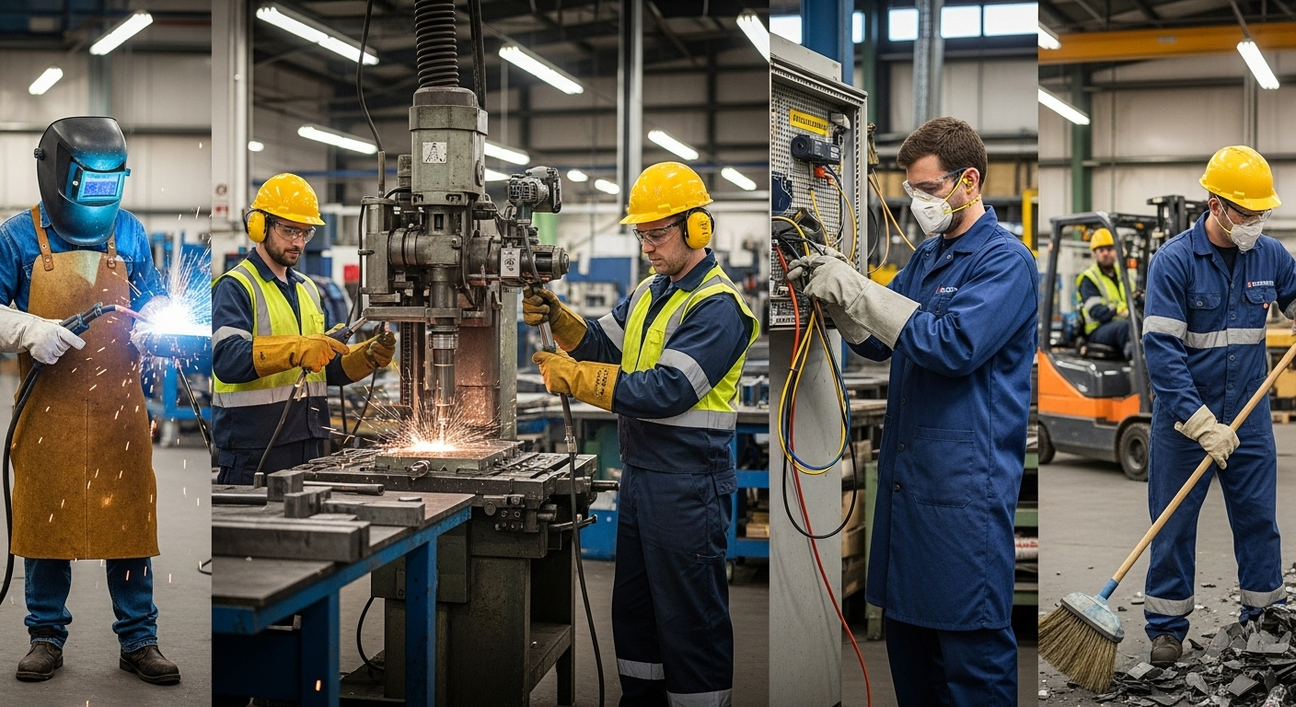
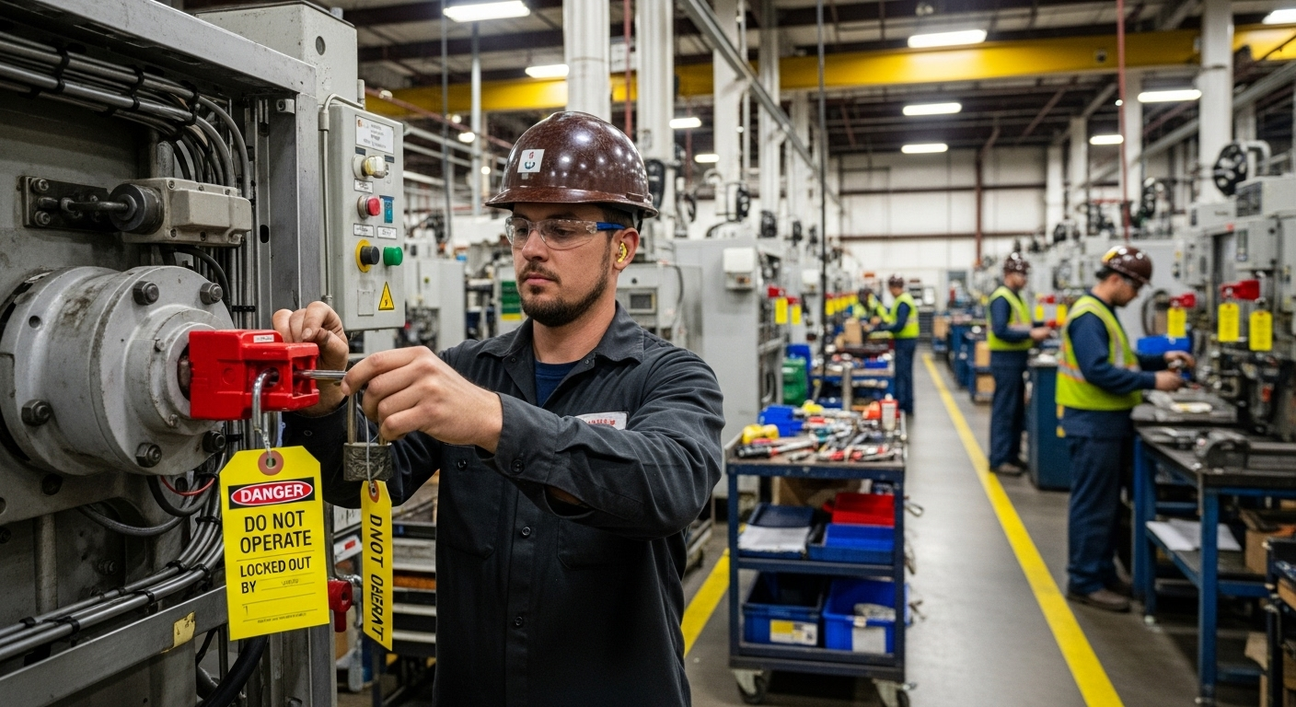
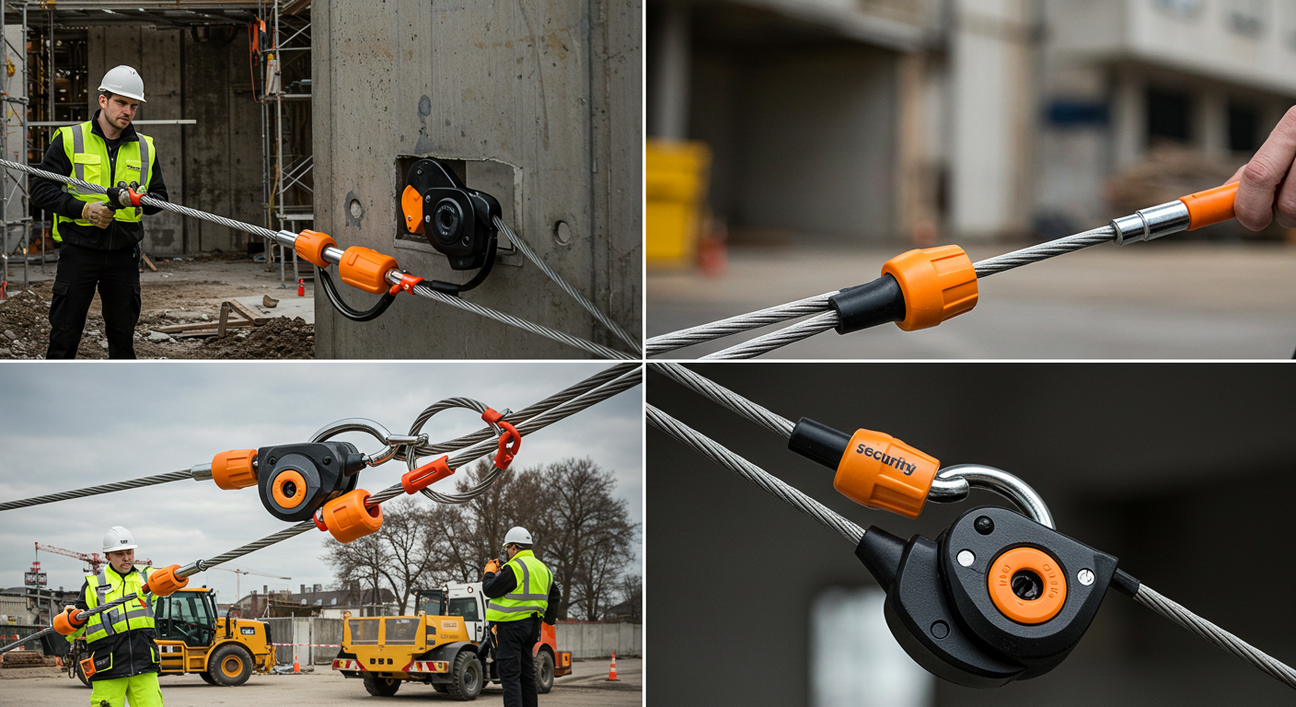
Provide appropriate helmets, gloves, goggles, and footwear
Train staff on correct usage
Inspect and replace worn or damaged gear regularly
Using PPE effectively supports employee safety practices and ensures consistent workplace efficiency.
Hazard Identification and Risk Assessment
Identifying risks before they cause harm is a key step in workplace safety practices:
Conduct regular safety audits and inspections
Identify high-risk areas and tasks
Implement corrective measures promptly
Proactive risk management reduces accidents and supports industrial productivity tips by keeping operations running smoothly.
Emergency Preparedness and Response
Emergencies can disrupt productivity if not handled properly. Effective plans include:
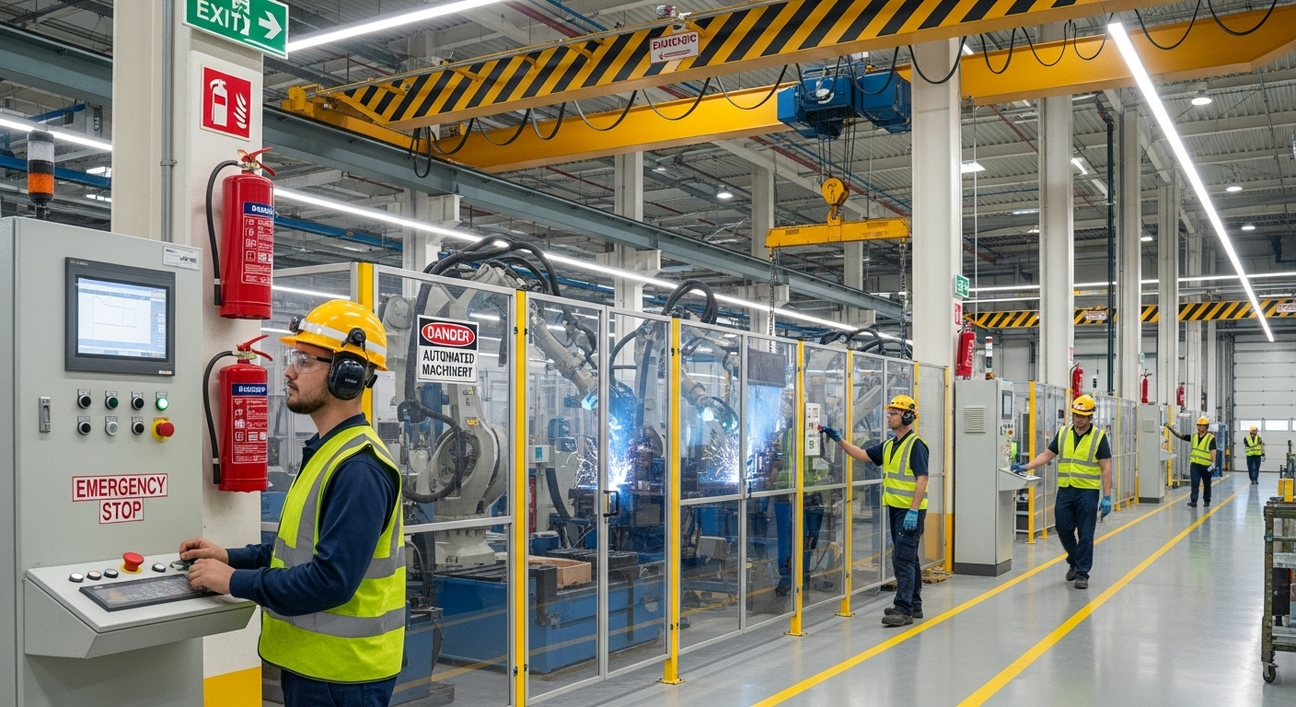
Emergency procedures for fires, spills, and equipment failure
Regular drills and simulations
Clear communication of responsibilities during incidents
Preparedness minimizes downtime and keeps the safety workflow uninterrupted.
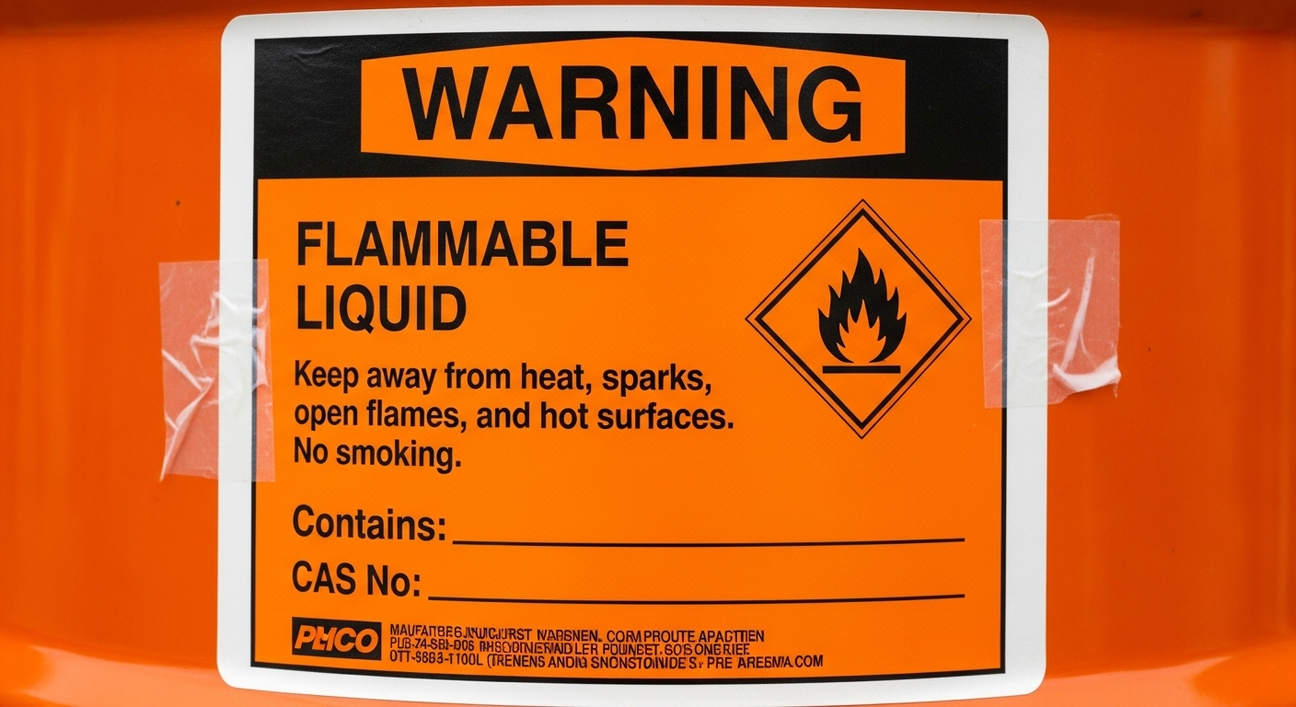
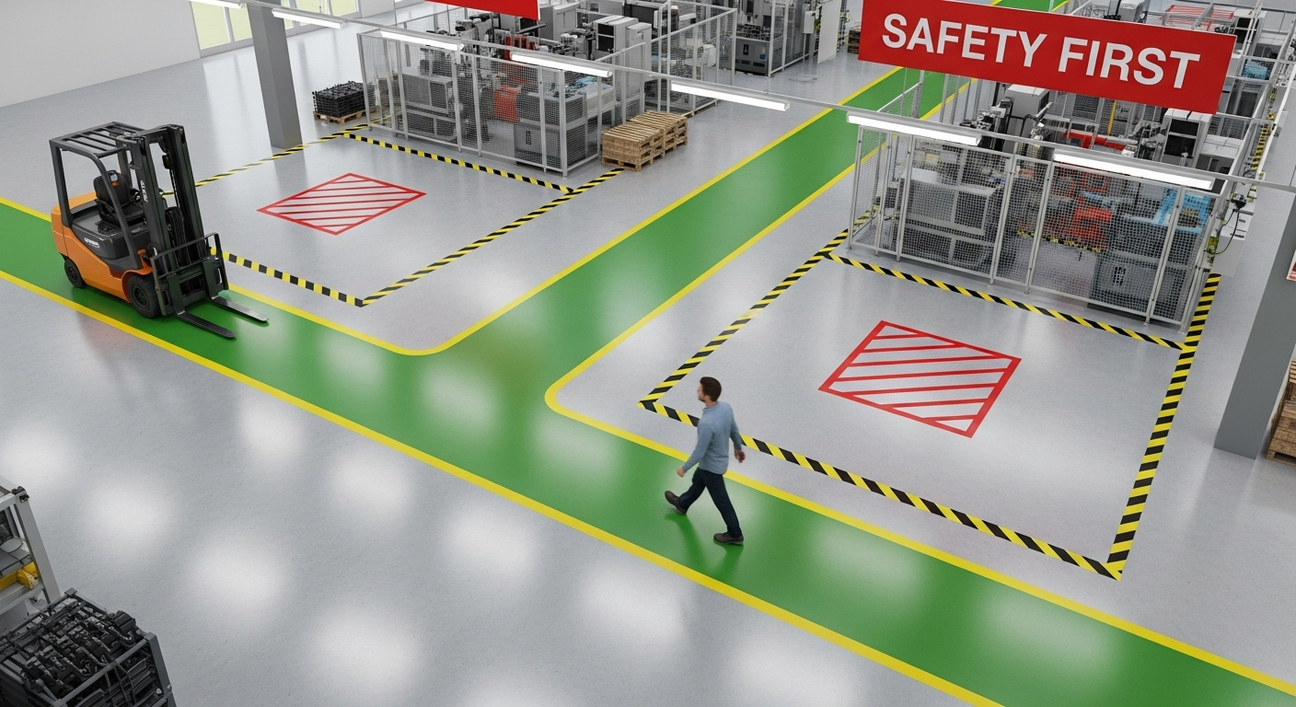
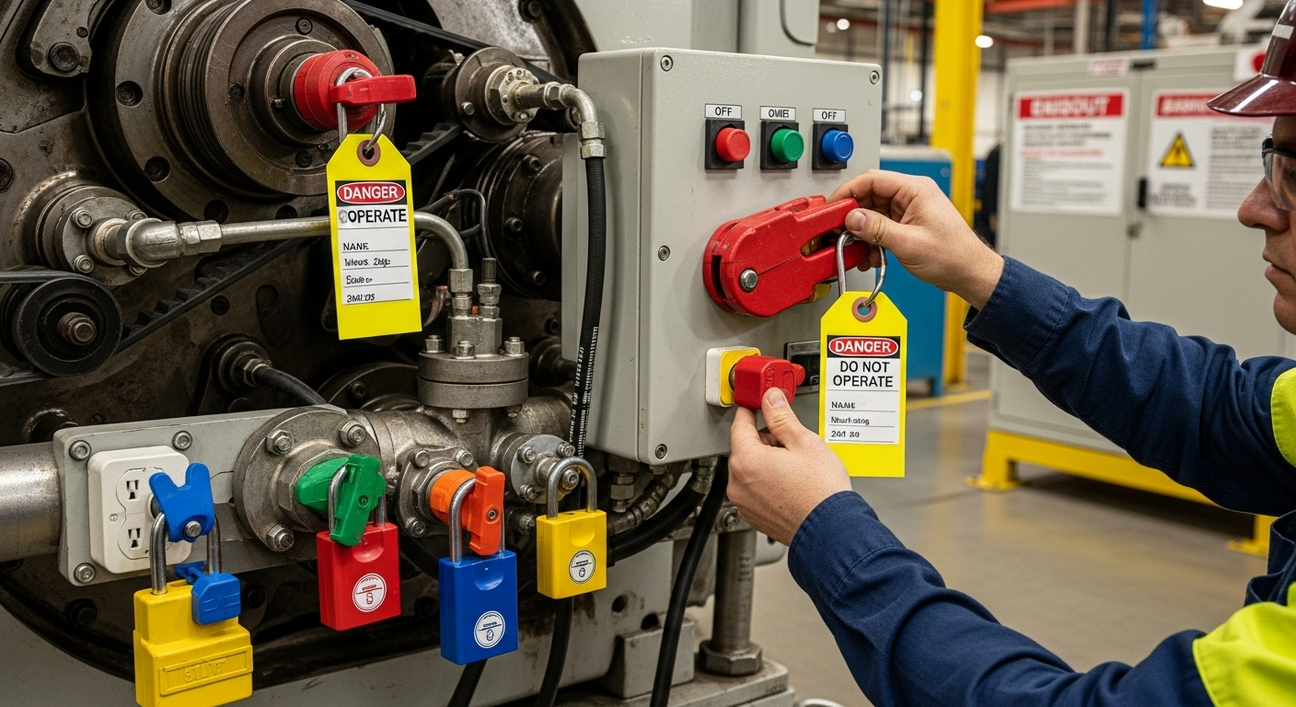
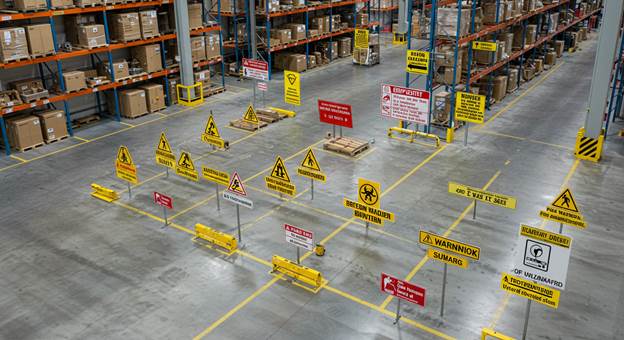
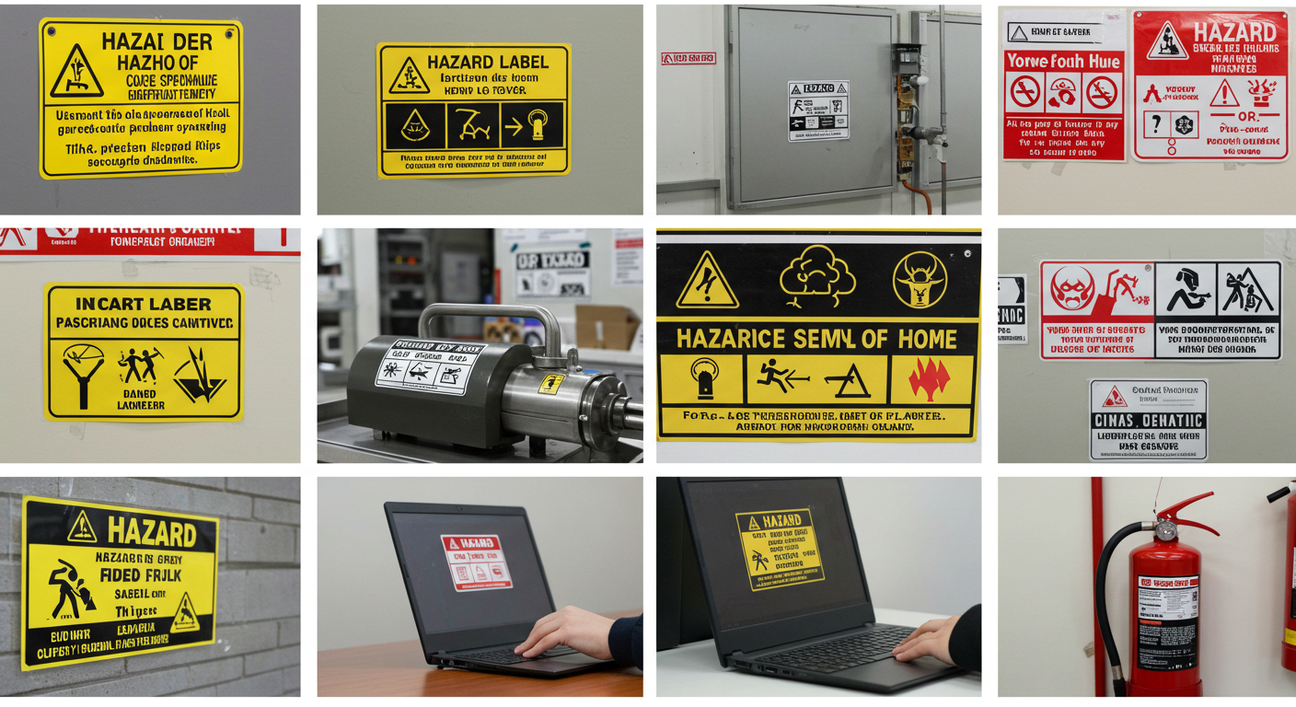
Safety Signage and Communication
Clear communication reinforces workplace safety practices:
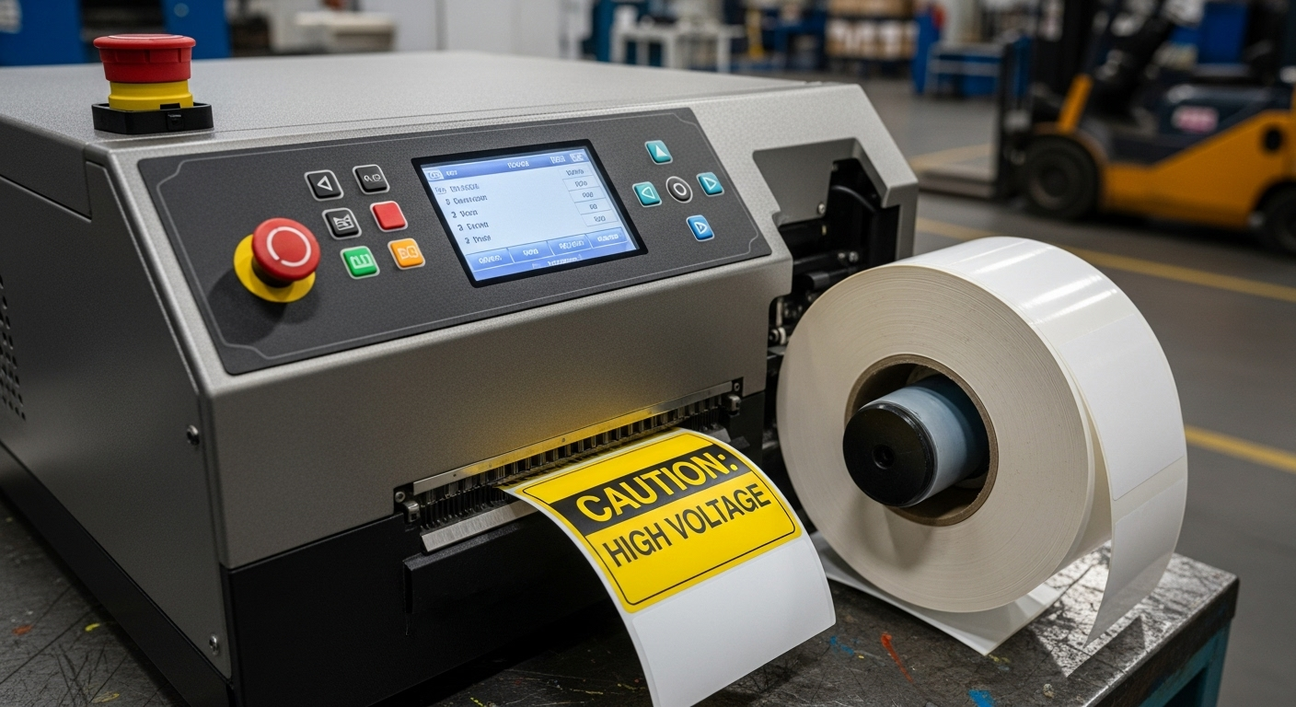
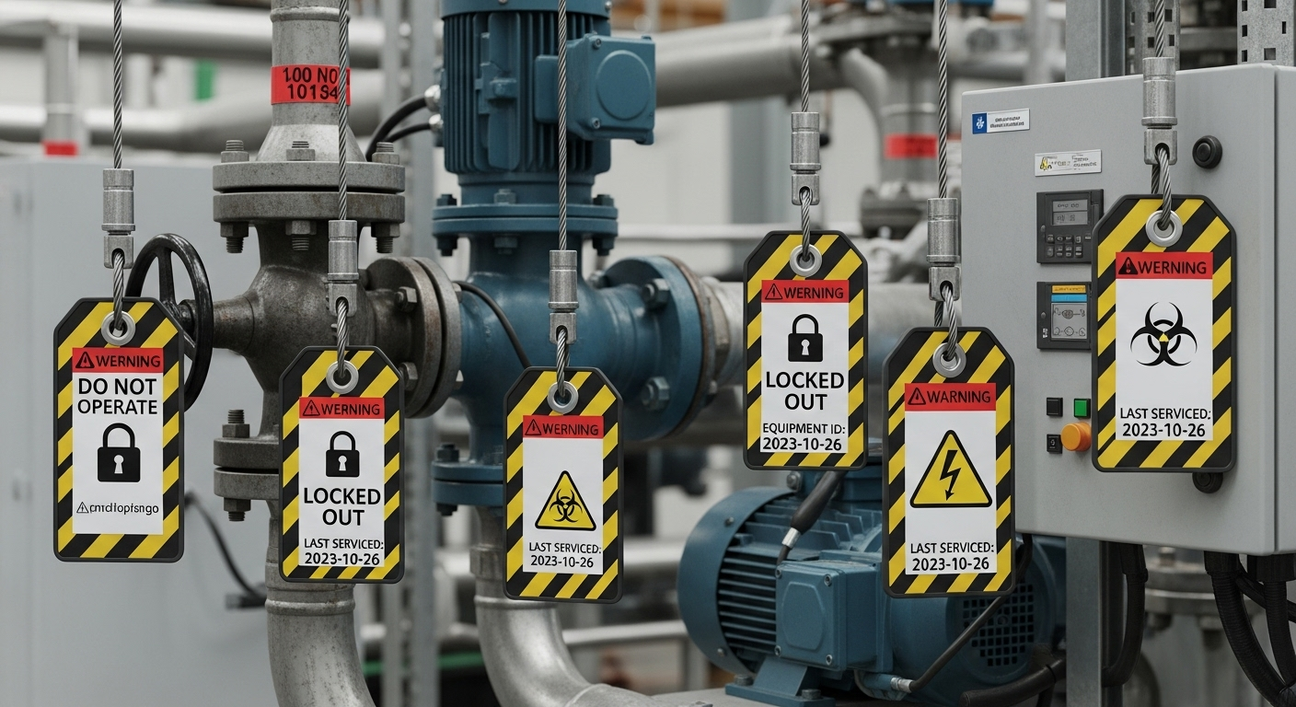
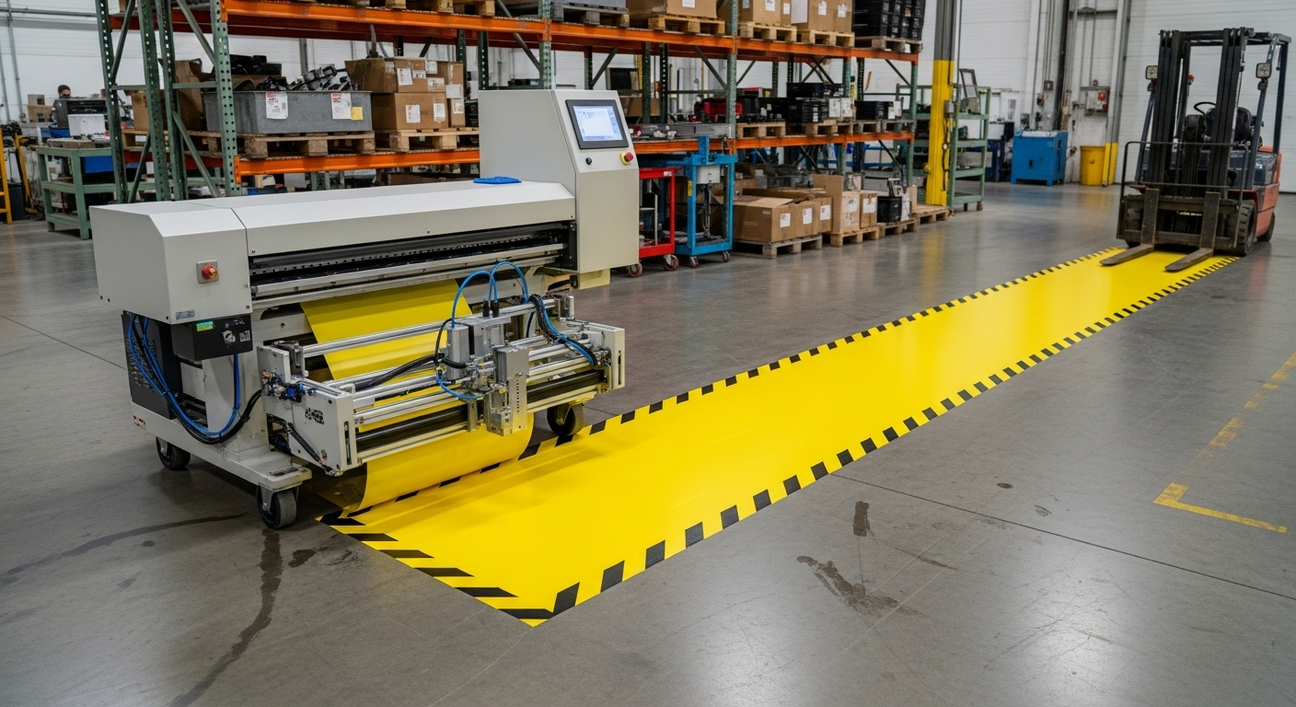
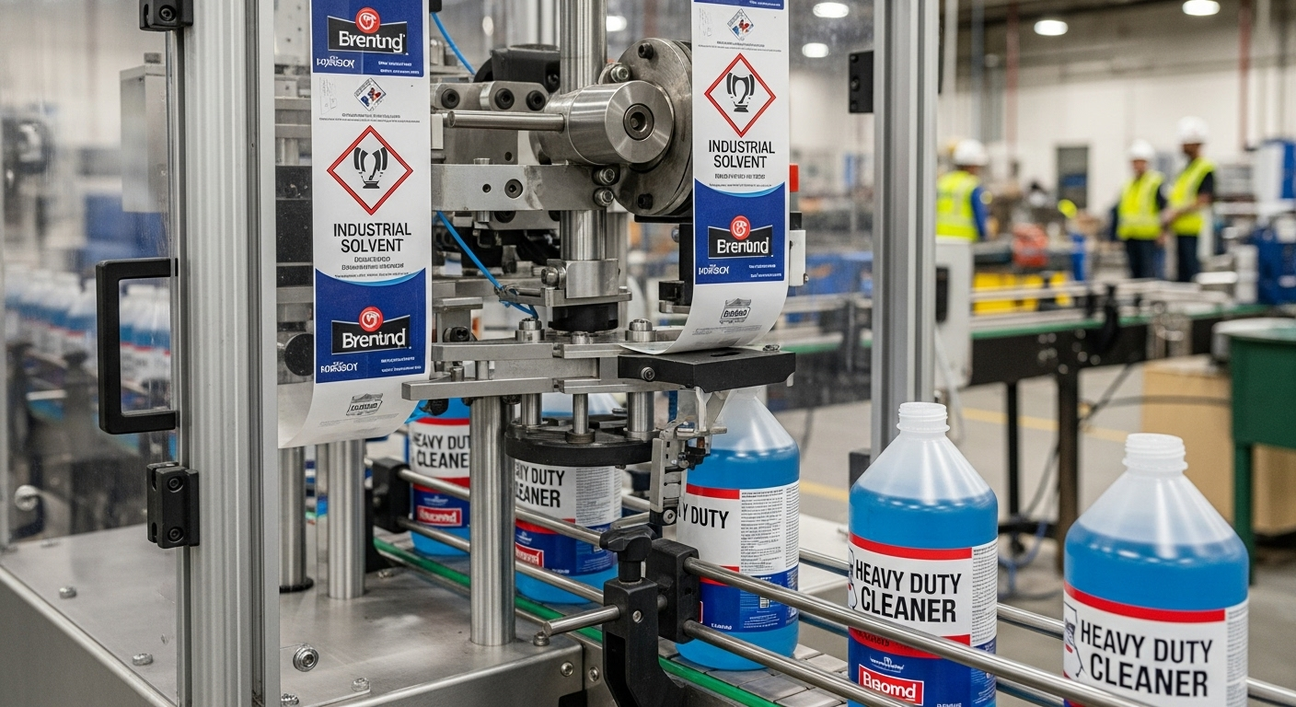
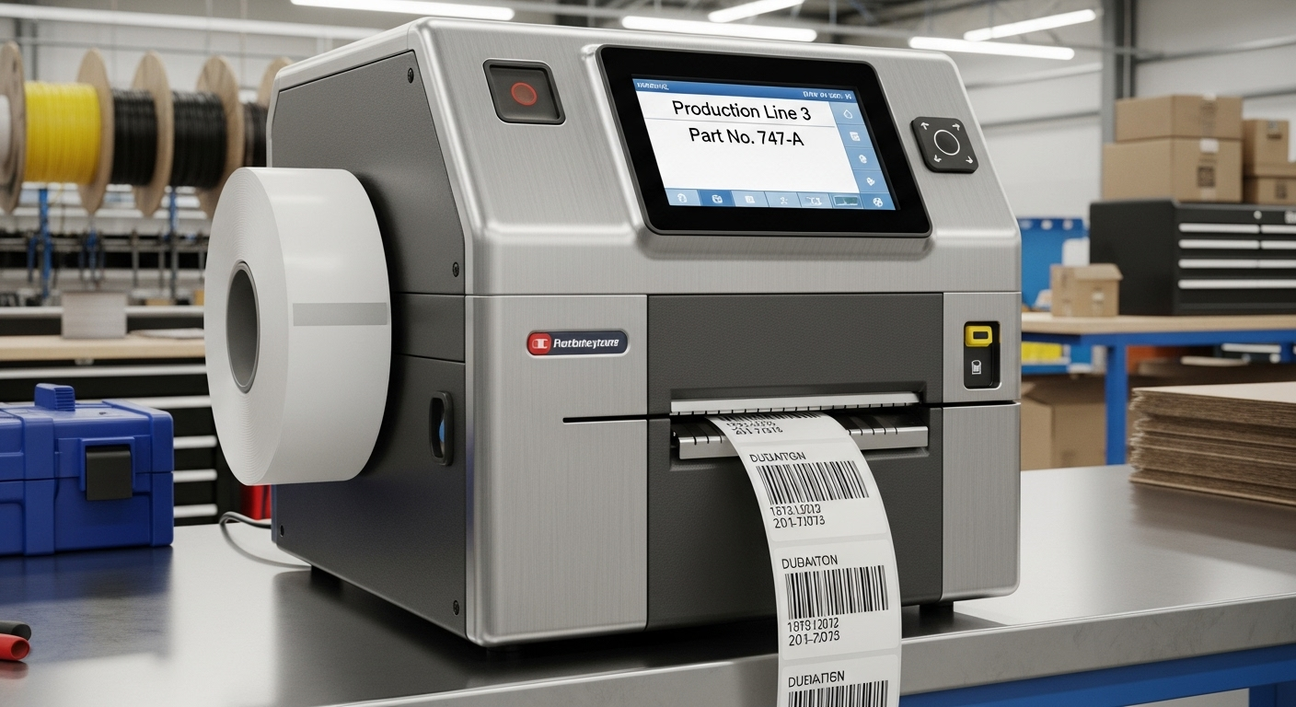
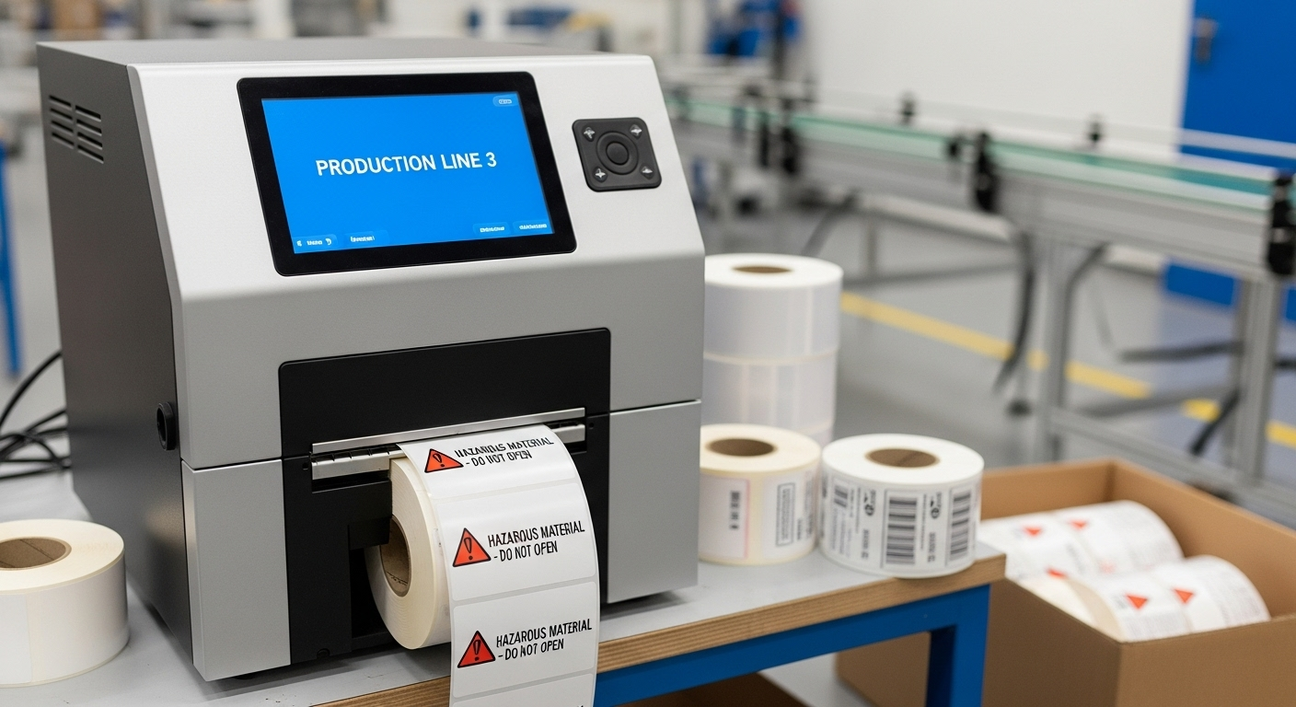
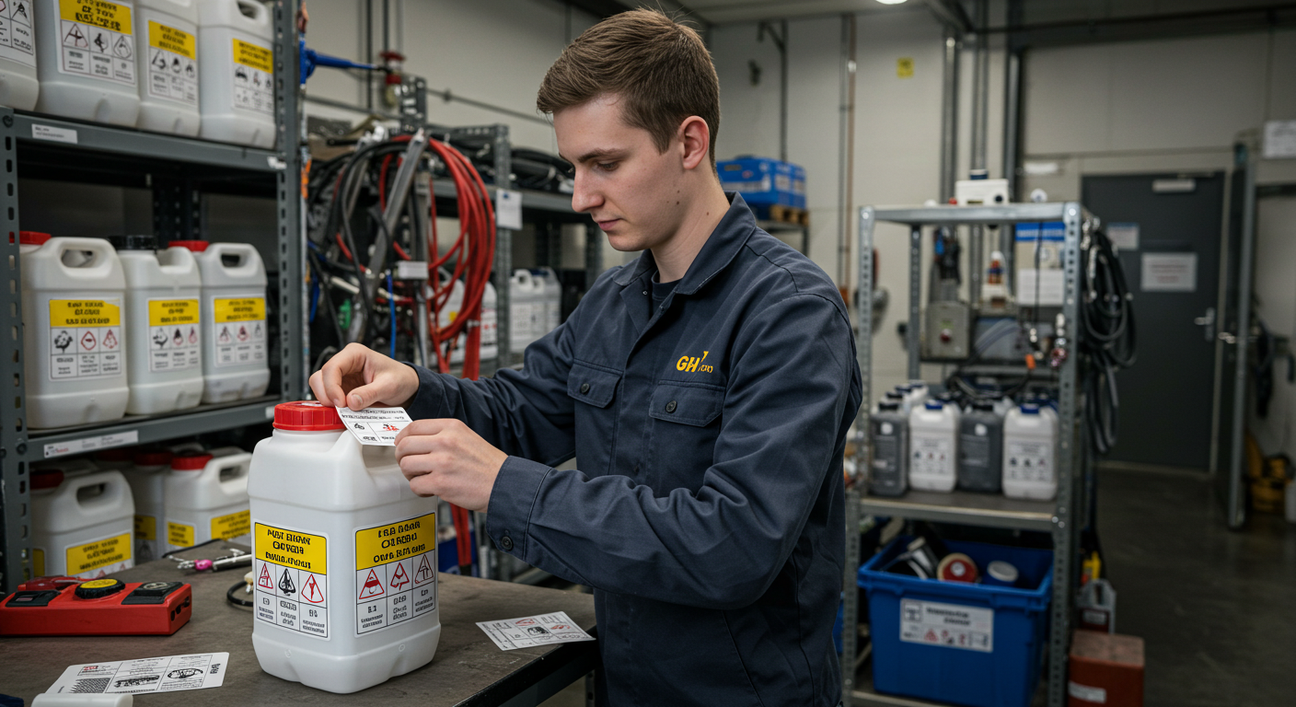
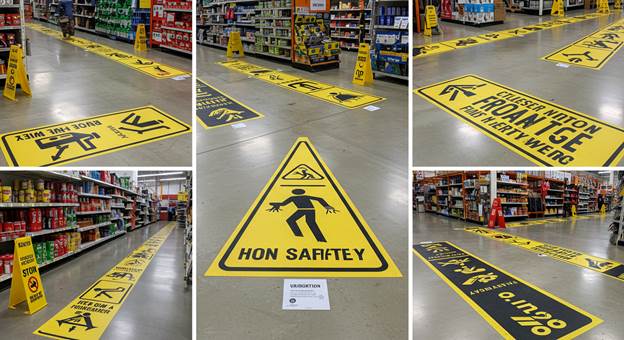
Use visual warnings, hazard signs, and labels to guide behavior
Encourage reporting of unsafe conditions
Maintain communication channels for quick hazard response
These measures ensure employee safety practices are followed consistently, improving workplace efficiency.
Equipment Maintenance and Industrial Safety
Well-maintained machinery reduces accidents and improves workflow:
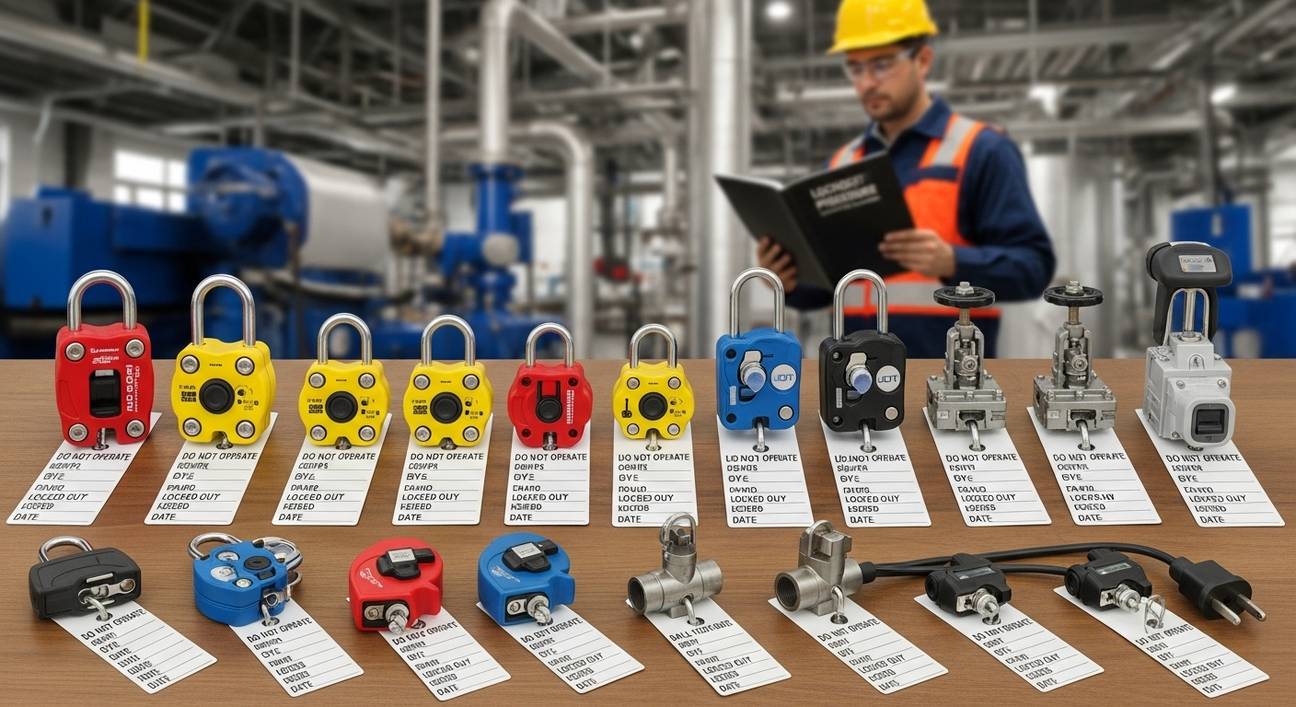
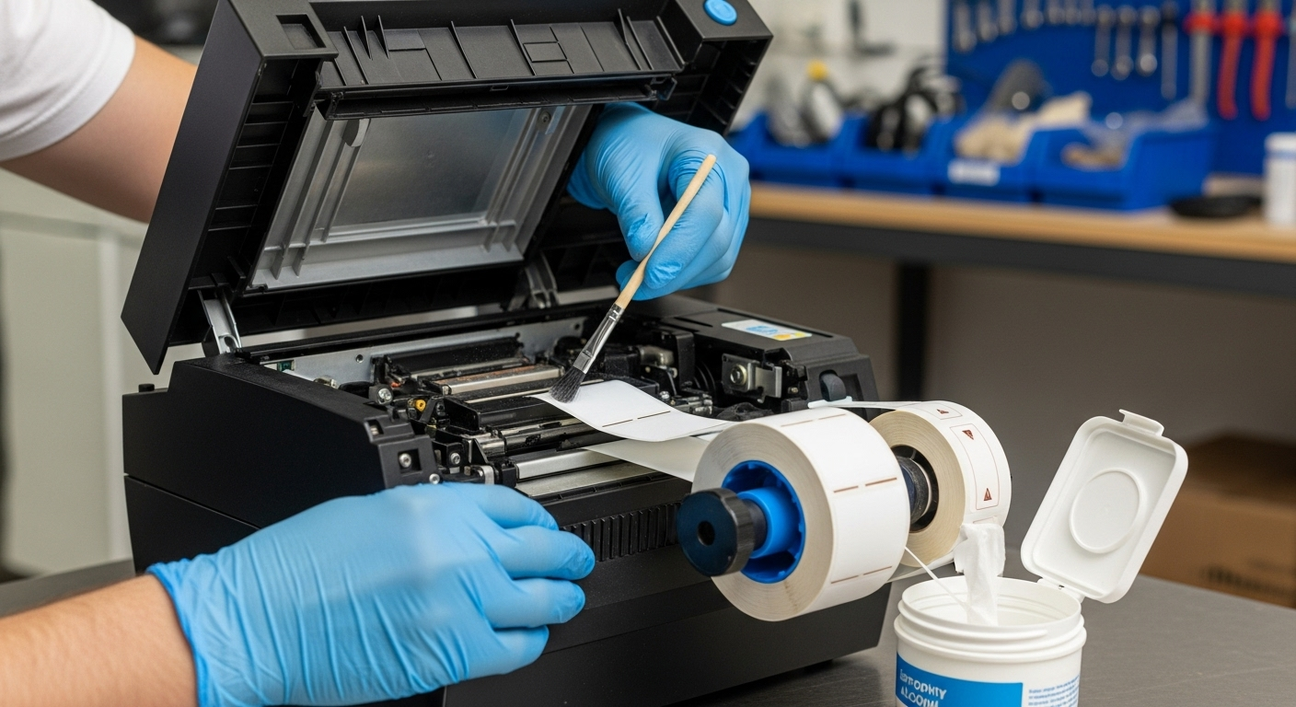
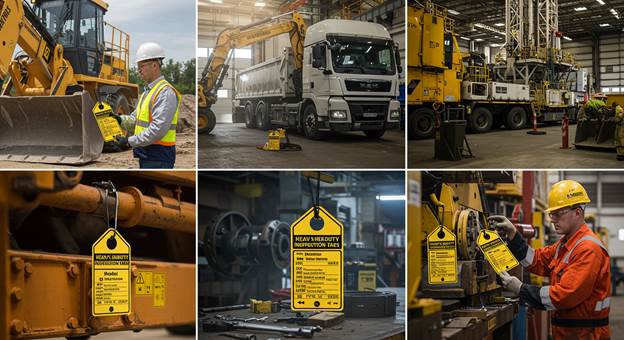
Conduct routine inspections and preventive maintenance
Repair or replace faulty equipment immediately
Keep logs of maintenance activities
Proper equipment care is a key industrial productivity tip, preventing accidents and maintaining steady output.
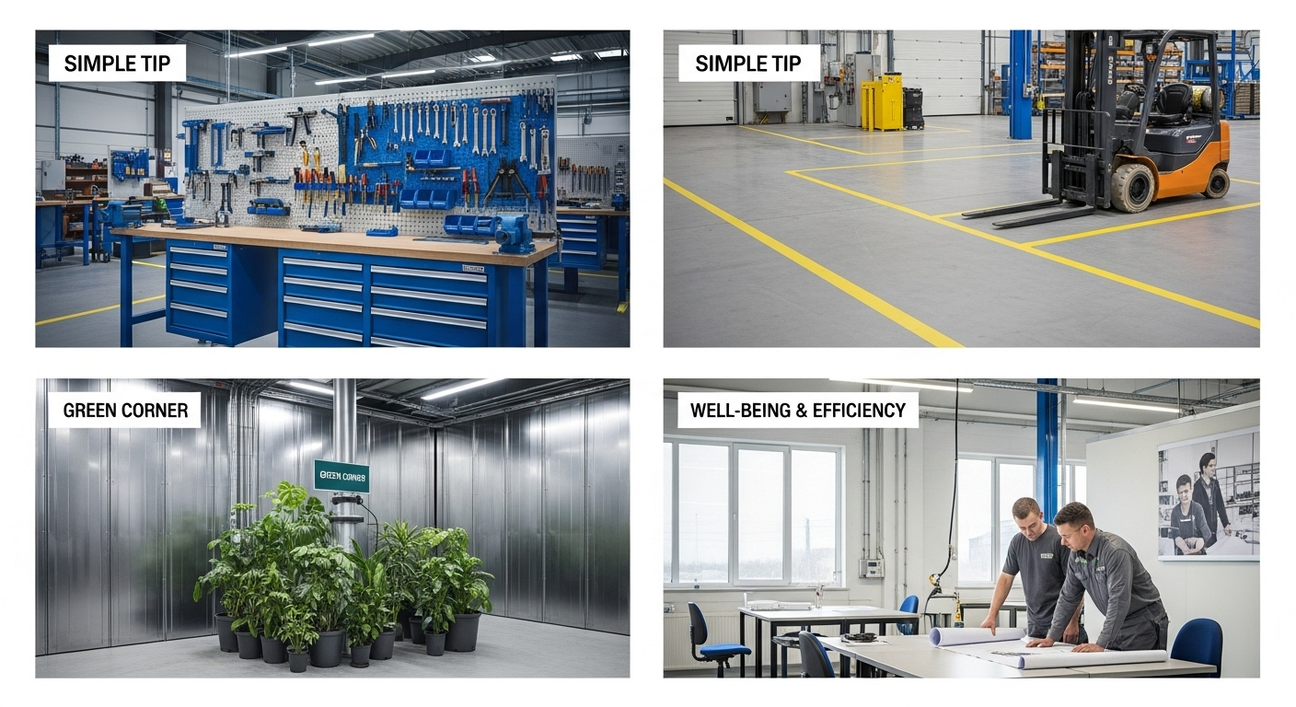
Ergonomics and Workplace Design
Ergonomic workstations prevent strain and injury:
Adjustable chairs, desks, and tools reduce physical stress
Rotating tasks to minimize repetitive motion injuries
Encourage safe postures and movements
Investing in ergonomics supports employee safety practices and enhances workplace efficiency.
Monitoring and Reporting Safety Performance
Tracking incidents and performance ensures continuous improvement:
Record accidents, near-misses, and safety violations
Analyze data to identify recurring risks
Recognize and reward safe behavior
Monitoring supports a smoother safety workflow and helps integrate industrial productivity tips into daily operations.
Leadership and Safety Culture
Management sets the tone for workplace safety practices:
Lead by example in following safety protocols
Encourage accountability among employees
Reward adherence to employee safety practices
A positive safety culture reduces accidents and boosts workplace efficiency across all departments.
Benefits of Proper Workplace Safety Practices
Companies that prioritize safety enjoy multiple benefits:
Fewer accidents and injuries reduce downtime
Lower insurance costs and legal risks
Higher employee morale and retention
Increased operational efficiency and productivity
Implementing these practices is one of the most effective industrial productivity tips a business can follow.
Common Challenges and Solutions
Challenges may arise in implementing safety practices:
Resistance to PPE or safety rules: Overcome with training and awareness
Budget constraints: Prioritize high-risk areas and invest in durable equipment
Human error: Use reporting systems and continuous education
Addressing these challenges ensures a consistent safety workflow and maintains workplace efficiency.
Emerging Trends in Workplace Safety
Technology is transforming workplace safety practices:
Wearable devices monitor worker health and location
Sensors detect hazards in real-time
Digital platforms track compliance and training
Integrating these trends improves employee safety practices while boosting industrial productivity tips across operations.
Conclusion

Implementing proper workplace safety practices benefits both employees and businesses. By focusing on training, PPE, hazard identification, emergency preparedness, and leadership engagement, companies can achieve smoother safety workflows, reduce accidents, and improve workplace efficiency.
Resources from trusted brands like Archford provide tools and solutions to help industrial facilities maintain compliance, enhance employee safety practices, and implement effective industrial productivity tips every day.
FAQs
How do workplace safety practices improve productivity?
They reduce accidents and downtime, allowing employees to work efficiently and safely, which enhances overall workplace efficiency.
What are some key employee safety practices?
Using PPE, following safety protocols, reporting hazards, and participating in safety training are essential employee safety practices.
Why is a safety workflow important in industrial settings?
A clear safety workflow ensures hazards are identified, reported, and mitigated promptly, minimizing disruptions and maintaining smooth operations.
How does proper equipment maintenance impact productivity?
Regular maintenance prevents machinery breakdowns, reduces accidents, and supports consistent industrial productivity tips.
Can technology help improve workplace safety?
Yes. Wearables, sensors, and digital monitoring tools enhance hazard detection, track compliance, and reinforce workplace safety practices.