

PPE Maintenance: Cleaning and Safety Tips for Industrial Gear
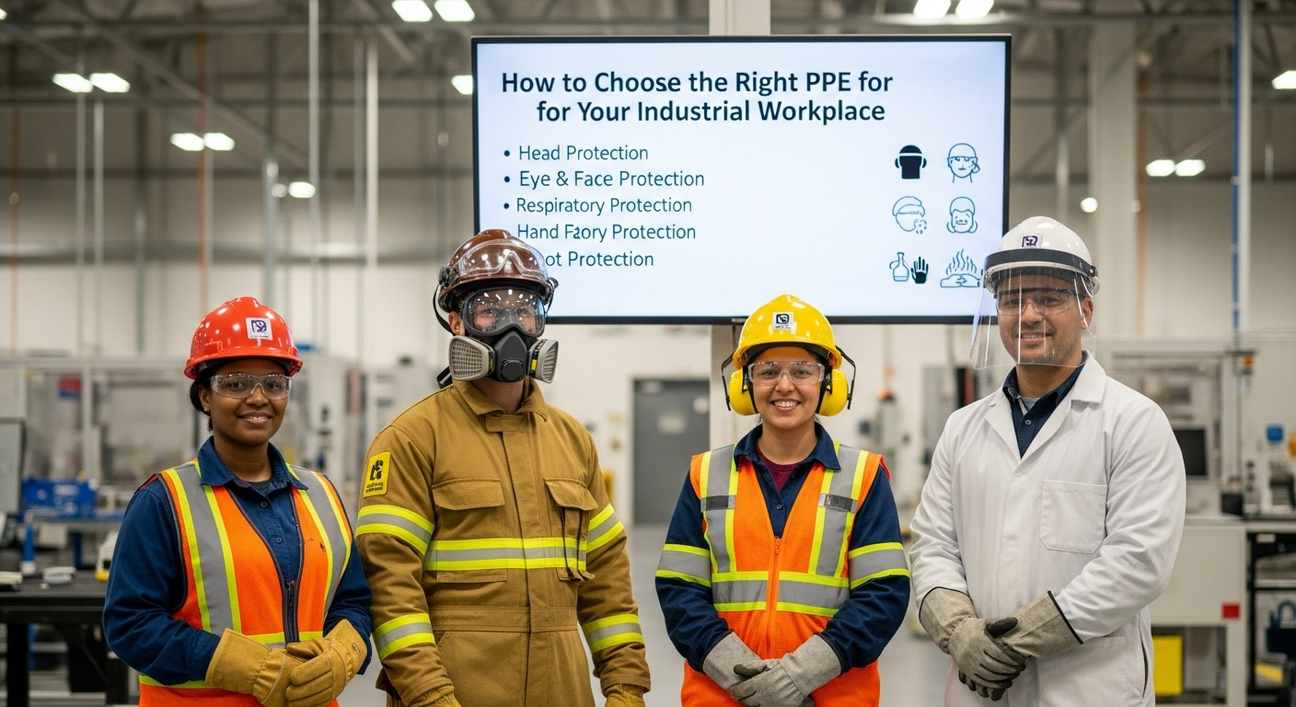
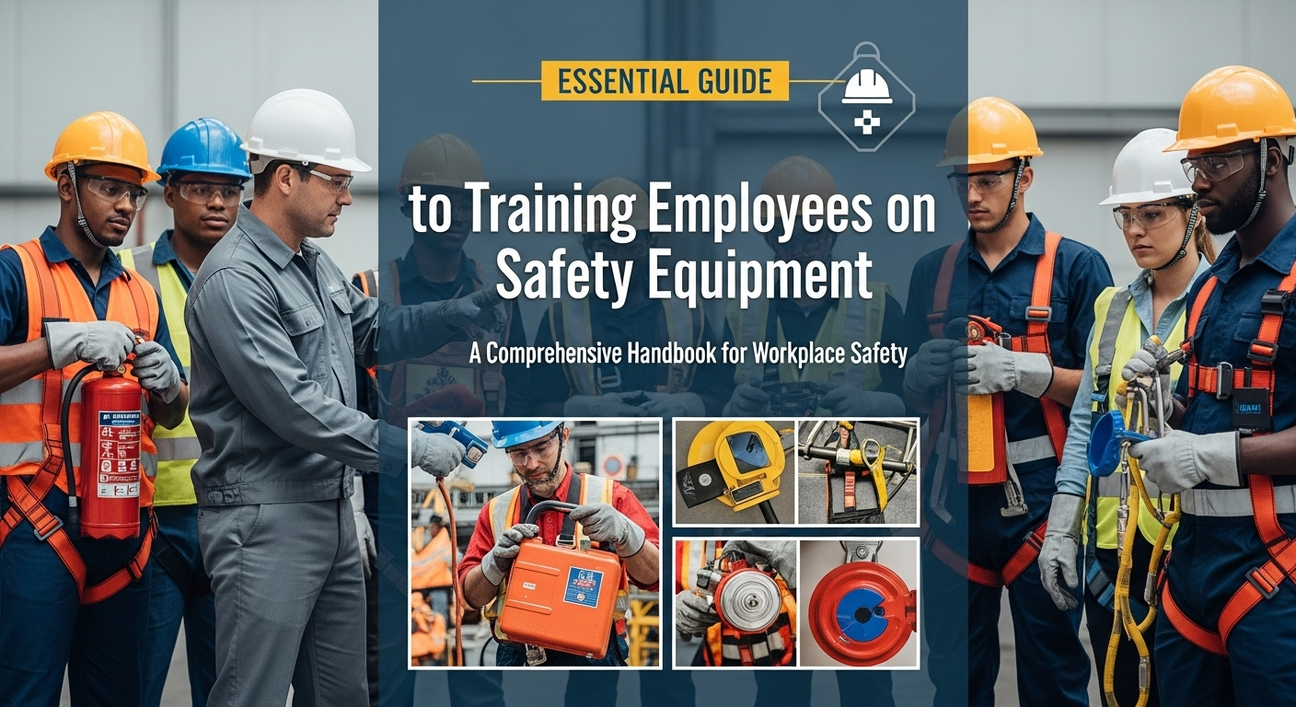
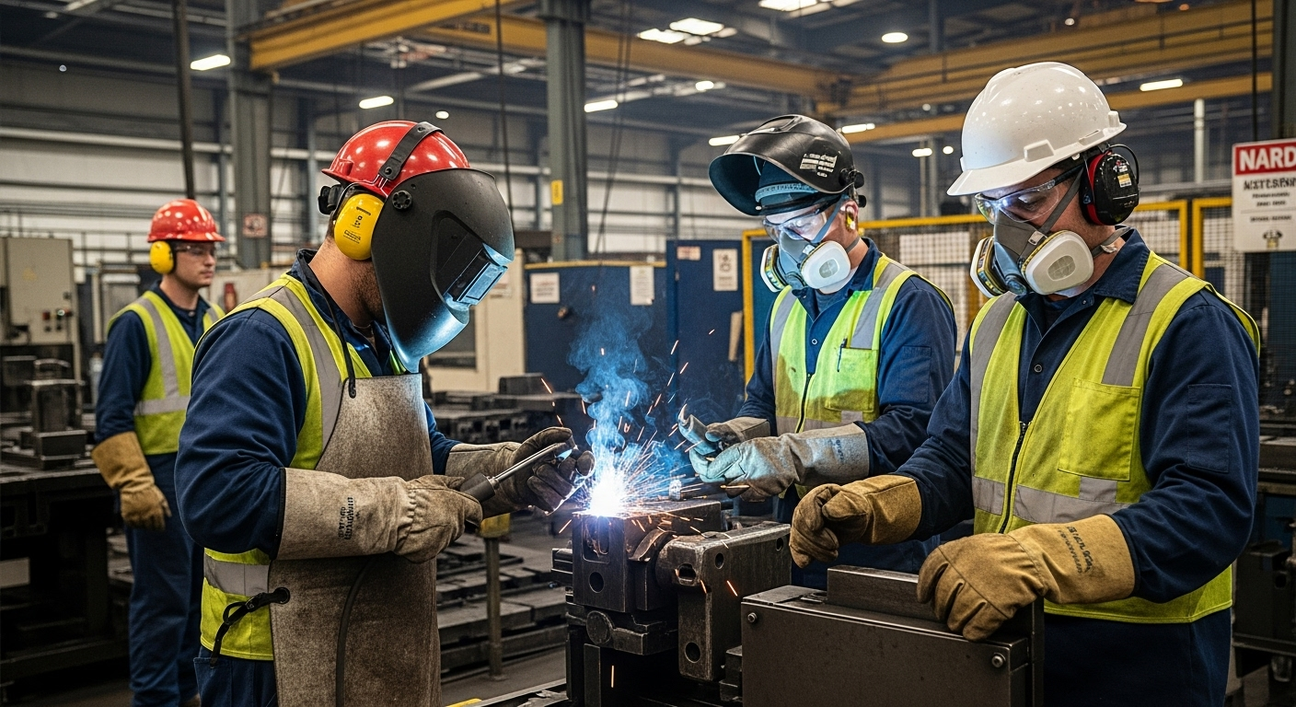
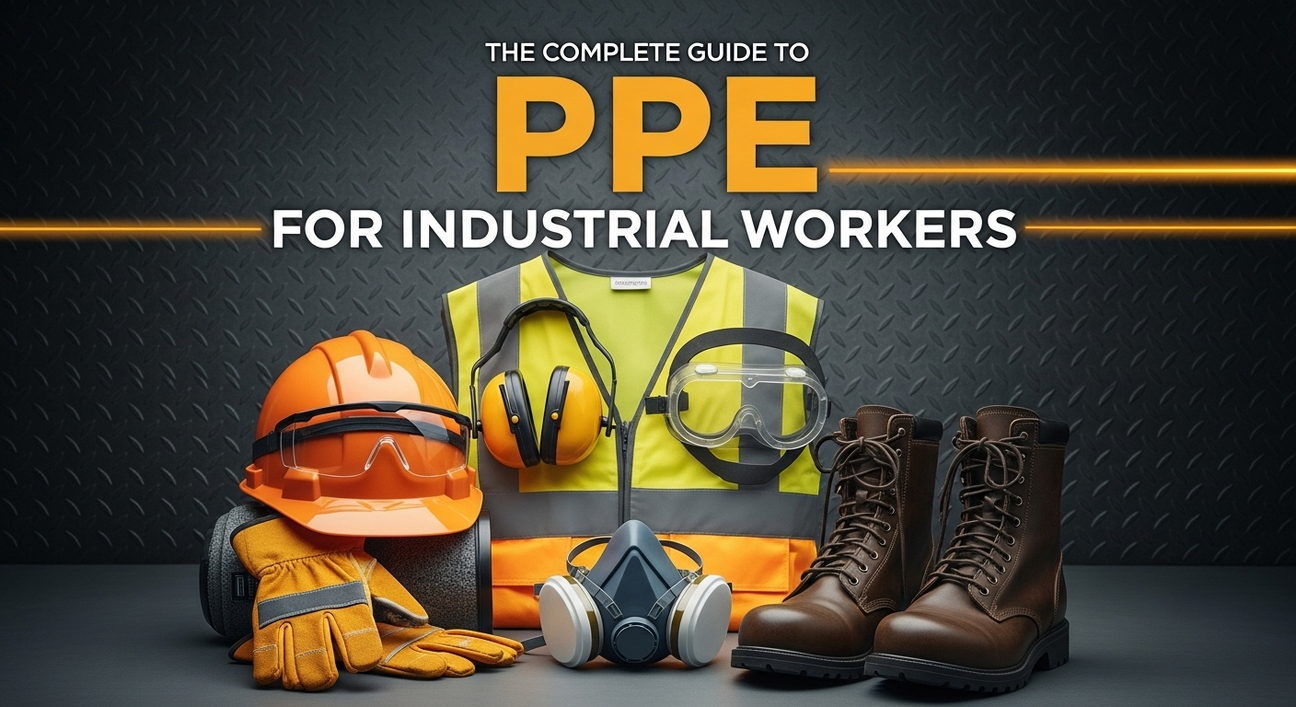
Proper PPE maintenance is one of the most important steps in keeping workers safe in industrial workplaces. Personal protective equipment (PPE) is designed to protect employees from hazards such as falling objects, chemicals, heat, and noise. However, even the strongest industrial PPE will fail if it is not cleaned, maintained, and inspected regularly.
Investing time in protective equipment care ensures your PPE lasts longer, works effectively, and continues to provide safety for employees. This guide will cover cleaning routines, maintenance tips, and safety practices to keep all types of PPE in top condition.
Brands like Archford provide durable, high-quality industrial PPE that can withstand regular maintenance while keeping workers protected.
Understanding PPE Maintenance
PPE maintenance refers to the regular care, cleaning, inspection, and proper storage of protective gear. The purpose is to ensure equipment remains effective, hygienic, and safe for daily use. Using poorly maintained PPE can expose workers to hazards and lead to accidents.
Regular maintenance also supports workplace safety compliance. OSHA and other safety agencies require employers to provide PPE that is well-maintained, clean, and ready for use. Following a proper PPE cleaning tips routine helps prevent contamination, wear, and degradation of materials.
General Cleaning Guidelines for PPE

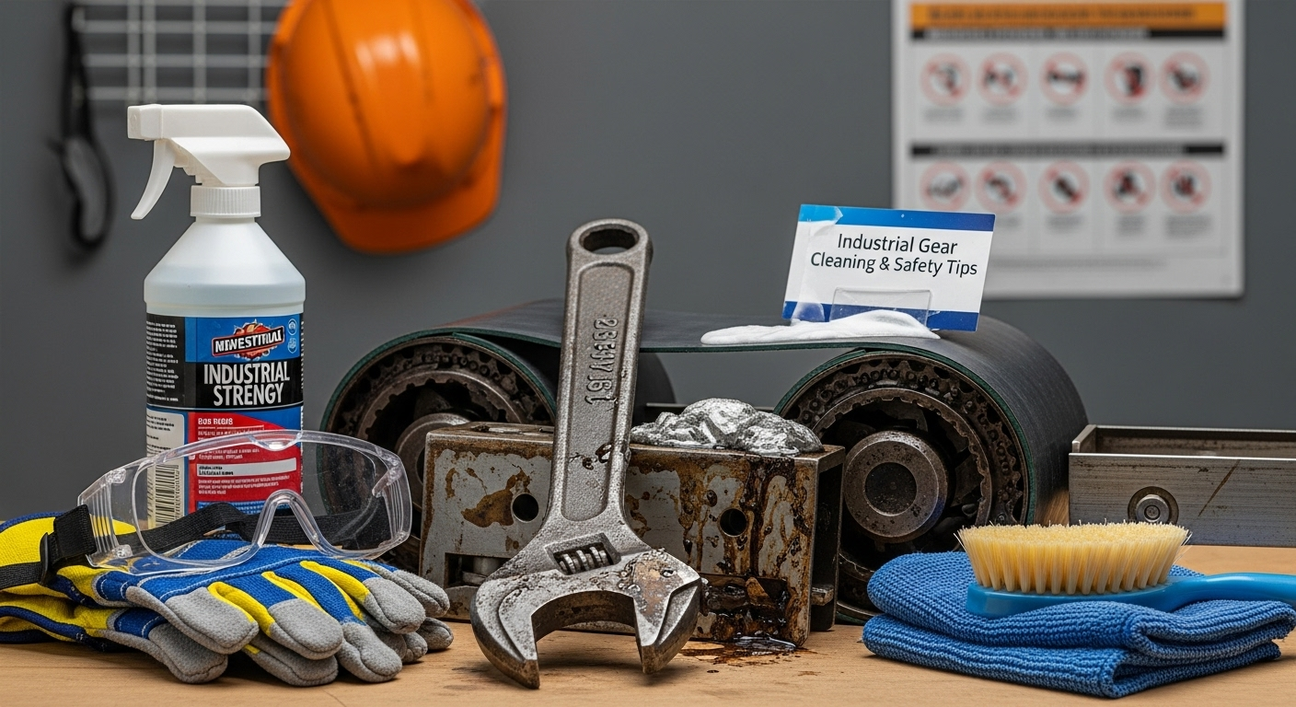
Proper cleaning is the foundation of long-lasting PPE. Guidelines include:
Clean gear daily if it comes into contact with dirt, dust, or chemicals.
Use mild soap and warm water for most PPE items.
Avoid harsh chemicals that may weaken materials.
Dry items completely before storing to prevent mold or rust.
Following these routines ensures that your industrial PPE safety is maintained without damaging the equipment.
Head Protection Maintenance
Hard hats and bump caps require regular inspection and cleaning.
Wipe with a damp cloth and mild detergent.
Check for cracks, dents, or faded areas.
Replace hard hats if they show any sign of damage or after impact.
Store them in a cool, dry place away from sunlight to prevent material degradation.
Proper maintenance of headgear is critical for protecting workers from head injuries.
Eye and Face Protection Maintenance
Safety glasses, goggles, and face shields protect against flying debris, chemicals, and sparks.
Clean lenses with a soft cloth and non-abrasive cleaner.
Inspect frames for cracks or loosened hinges.
Avoid stacking gear together to prevent scratches.
Store in a case or dedicated area to prevent dust accumulation.
Following these PPE cleaning tips ensures clear vision and maximum protection.
Hearing Protection Maintenance
Earplugs and earmuffs are often overlooked but need regular maintenance.
Wash reusable earplugs with mild soap and water.
Check earmuff cushions and headbands for wear or cracks.
Replace damaged components to maintain noise reduction effectiveness.
Store in clean, dry containers to avoid dust and contamination.
Maintaining hearing protection enhances long-term industrial PPE safety.
Hand Protection Maintenance
Gloves protect workers from cuts, chemicals, and burns. Different materials require specific care:
Leather gloves: Clean with a damp cloth and leather conditioner.
Rubber or nitrile gloves: Wash with soap and water; avoid stretching or folding.
Cut-resistant gloves: Follow manufacturer instructions for cleaning and inspection.
Check gloves regularly for punctures, tears, or worn areas. Proper protective equipment care for gloves ensures hands stay safe and functional.
Respiratory Protection Maintenance
Respirators and dust masks protect workers from harmful particles and fumes.
Clean reusable masks according to manufacturer instructions.
Replace filters, cartridges, or masks when they are dirty or damaged.
Store respirators in clean, dry areas to prevent contamination.
Consistent care improves the life of respiratory gear and maintains industrial PPE safety.
Foot Protection Maintenance
Safety shoes and boots protect against impacts, slips, and chemical exposure.
Clean with a brush or damp cloth to remove dirt.
Inspect soles for wear, cracks, or punctures.
Replace worn-out footwear to maintain protection.
Store shoes in a dry place to prevent moisture damage and deformation.
Maintaining footwear helps workers move safely and comfortably throughout the day.
Body and High-Visibility Gear Maintenance
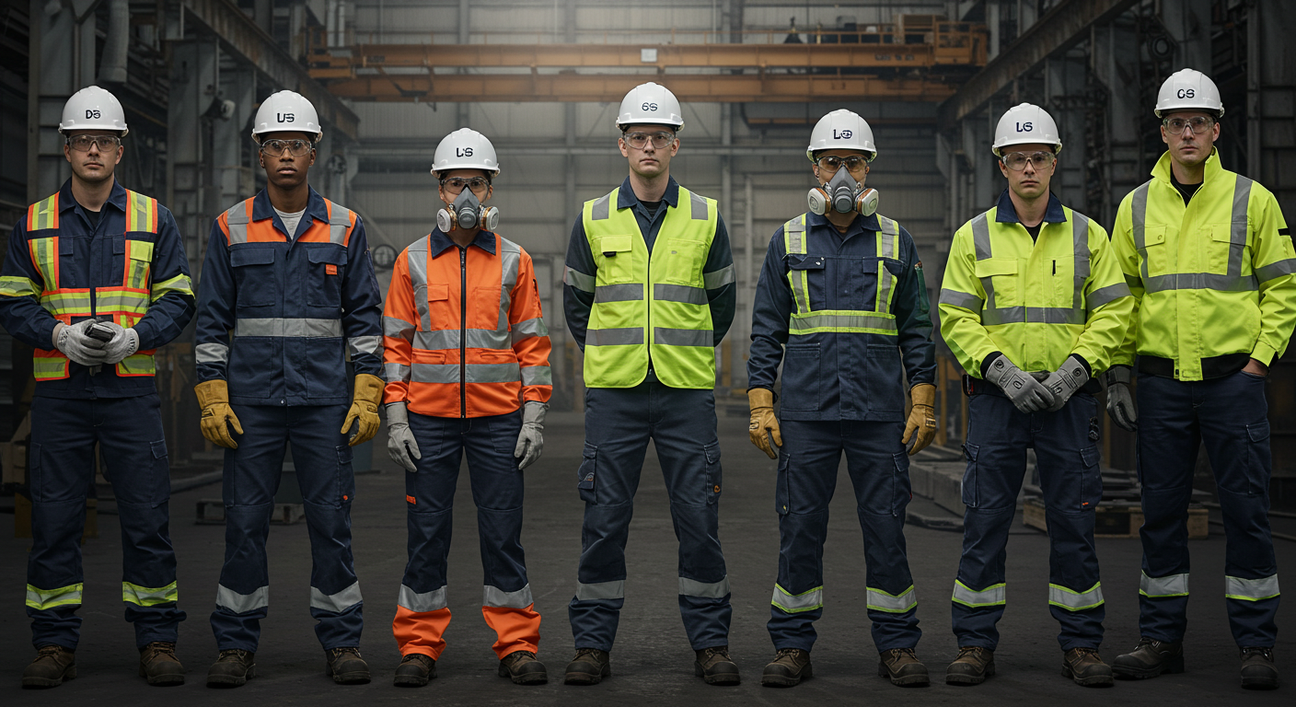
Coveralls, flame-resistant clothing, and high-visibility vests need special attention:
Wash coveralls and vests separately to maintain colors and reflective strips.
Avoid bleach or harsh detergents that may weaken fabric.
Inspect seams and reflective areas for wear or damage.
Fold or hang items properly to prevent wrinkles or damage to reflective surfaces.
Proper care ensures long-lasting PPE and keeps workers visible and protected.
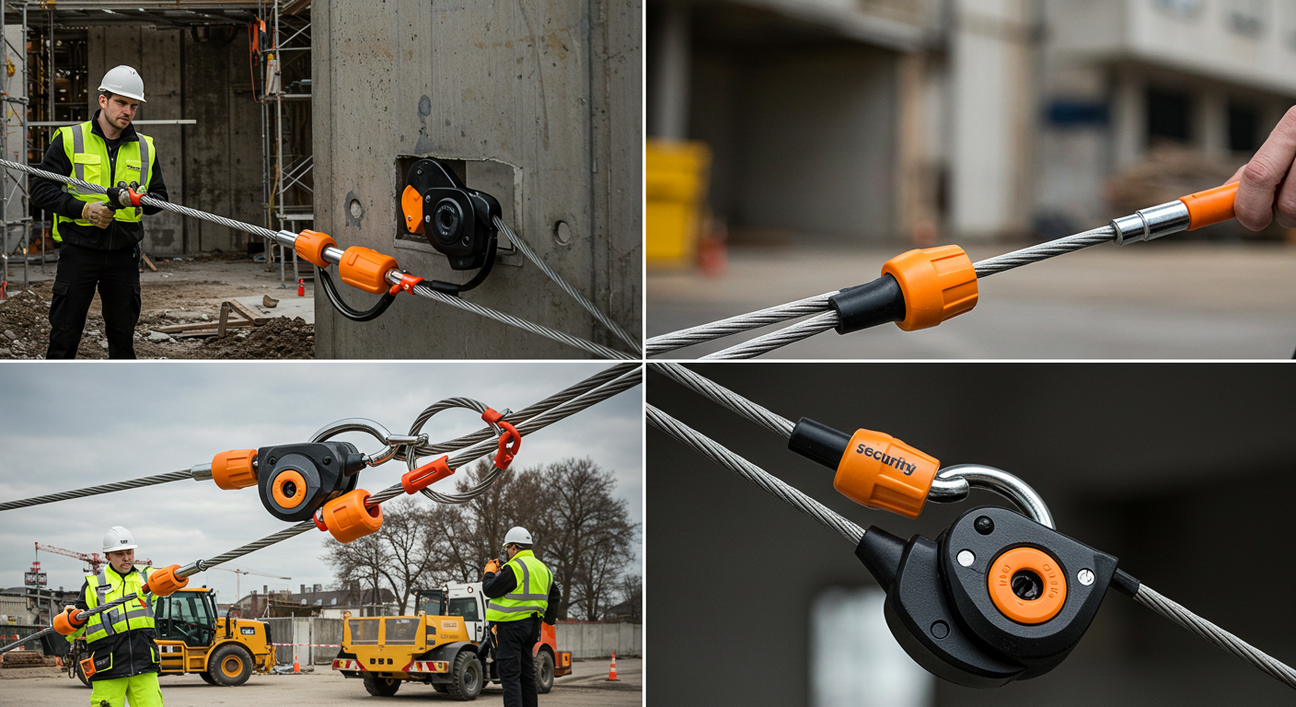
Fall Protection Equipment Maintenance
Harnesses, lanyards, and anchor points are essential for workers at heights.
Inspect straps and stitching for fraying or wear.
Clean with mild soap and water, avoiding harsh chemicals.
Check metal components for rust or cracks.
Record inspections and replace worn or damaged gear promptly.
Maintaining fall protection gear prevents accidents and improves overall industrial PPE safety.
PPE Inspection Checklist
Creating a regular inspection routine helps identify damaged or worn PPE before accidents occur:
Inspect daily or weekly, depending on use and environment.
Check all types of PPE for tears, cracks, worn areas, or damage.
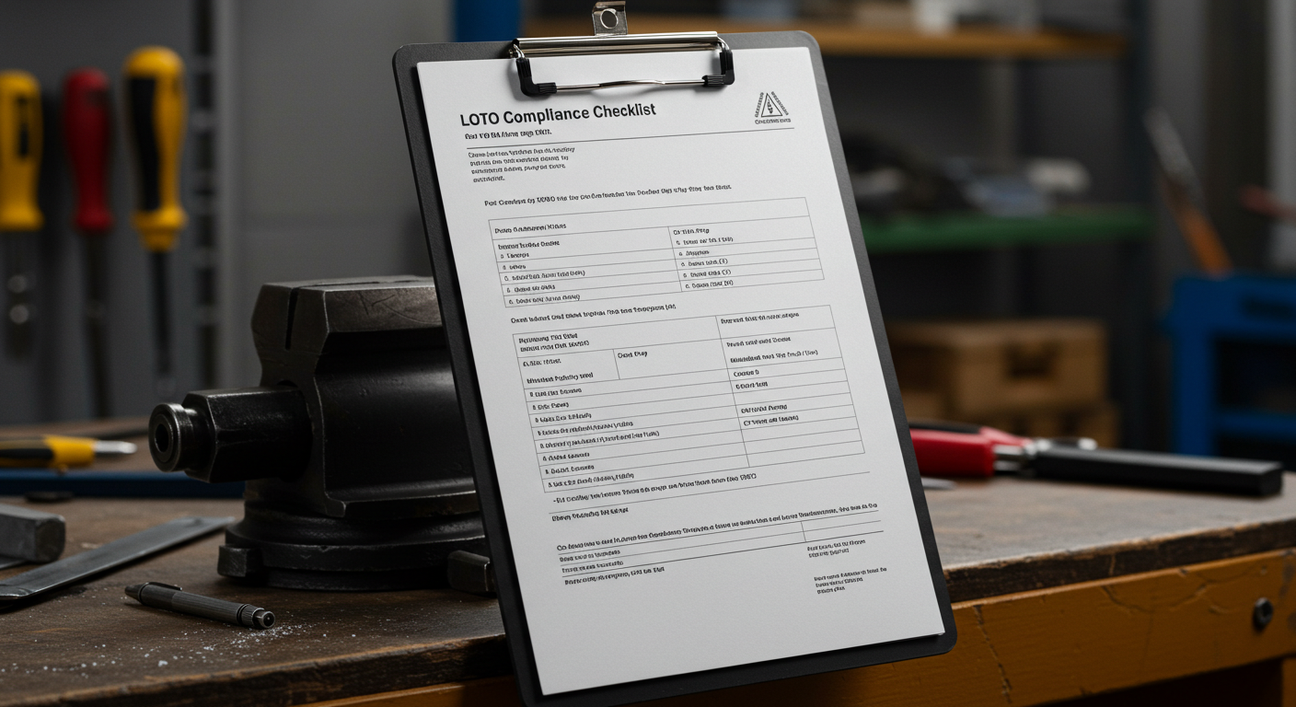
Keep a log of inspections and replacements for compliance records.
Regular inspections are a key part of long-lasting PPE care.
Training Workers on PPE Maintenance
Workers should know how to clean, inspect, and store their PPE properly:
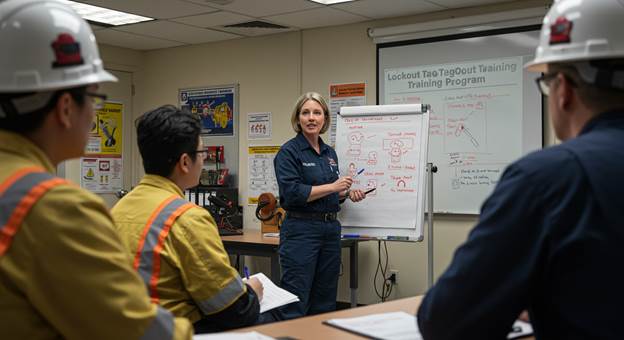
Demonstrate cleaning techniques for different materials.
Explain signs of wear and when to replace gear.
Encourage responsibility and accountability for equipment care.
Educated employees reduce risks and help maintain a safe workplace.
Budget Considerations for PPE Maintenance
Investing in proper protective equipment care saves money over time:
Proper cleaning and storage reduce the need for frequent replacements.
Durable, high-quality PPE may cost more initially but lasts longer.
Maintenance helps avoid costly workplace accidents and downtime.
A focus on care and training improves safety and reduces long-term expenses.
Common Mistakes in PPE Maintenance
Some mistakes reduce PPE effectiveness:
Using the wrong cleaning products that damage materials.
Ignoring early signs of wear or damage.
Storing gear improperly, leading to mold, rust, or deformation.
Avoiding these mistakes ensures long-lasting PPE and consistent industrial PPE safety.
Conclusion

Proper PPE maintenance is essential for protecting workers and extending the life of safety gear. Regular cleaning, inspections, and proper storage ensure that all industrial PPE remains effective and reliable. By following PPE cleaning tips, investing in durable gear, and educating workers, employers can create a safer, more productive industrial workplace.
Brands like Archford provide reliable, high-quality PPE that stands up to rigorous maintenance, helping teams stay safe every day.
FAQs
What is PPE maintenance?
PPE maintenance involves cleaning, inspecting, and storing protective equipment properly to ensure it remains safe and effective for use.
Why is proper PPE maintenance important?
Regular care prevents accidents, extends the life of gear, and ensures industrial PPE safety for workers.
How should I clean PPE?
Use mild soap and water for most items, follow manufacturer instructions for specialized gear, and avoid harsh chemicals that can damage materials.
How often should PPE be inspected?
Daily or weekly inspections are recommended depending on usage. Look for cracks, tears, worn areas, or any signs of damage.
How can I store PPE properly?
Keep gear in clean, dry areas away from direct sunlight, chemicals, or extreme temperatures to prevent deterioration.