

5 Common Floor Marking Mistakes to Avoid in Your Facility

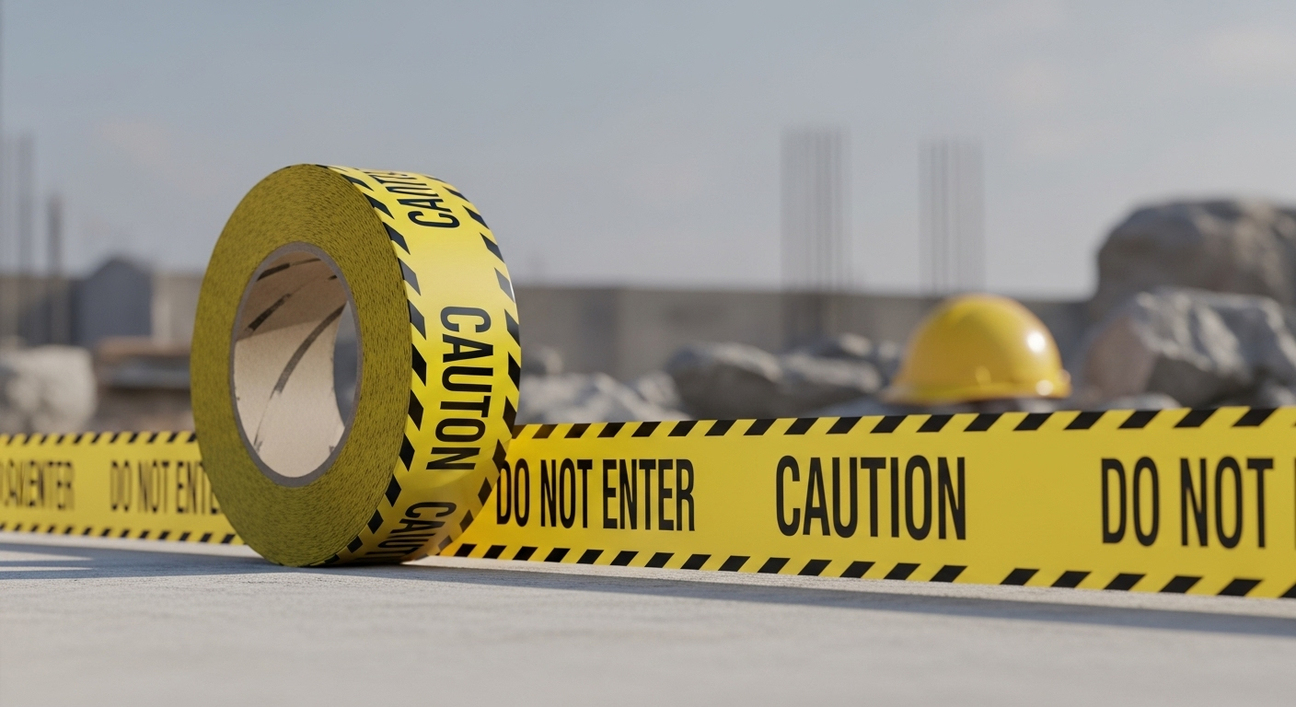
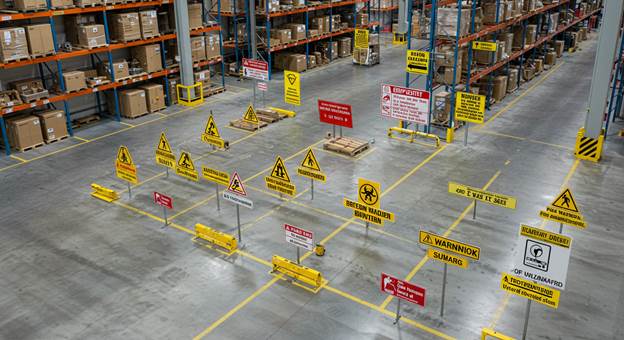
Clear and effective floor marking is essential for workplace safety, especially in industrial facilities and warehouses. However, many businesses make avoidable floor marking mistakes that reduce the effectiveness of safety measures and increase the risk of accidents. Avoiding common errors can help maintain workplace safety, streamline workflow, and ensure compliance with regulations. Companies like Archford offer durable floor marking tape and solutions to help facilities prevent these errors.
Introduction
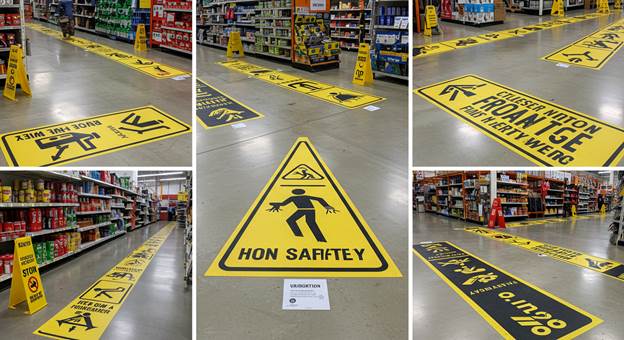
Proper industrial floor marking provides visual guidance for employees, highlights hazard zones, and separates pedestrian traffic from machinery. Mistakes in marking can lead to confusion, accidents, and even compliance issues. Understanding the most common warehouse safety mistakes helps you implement effective markings that keep your facility safe and organized.
Mistake 1: Skipping Proper Floor Preparation
One of the biggest industrial marking errors is failing to prepare the floor properly before applying tape or markings.
Why it matters: Dirt, oil, moisture, and old tape prevent adhesive from sticking properly. Over time, this causes peeling, curling, and worn markings.
Effects: Loose tape can become a tripping hazard or result in unclear floor hazard markings.
Best practices: Sweep and clean floors thoroughly, remove old markings, and ensure the surface is dry. Using a primer or adhesive enhancer can improve tape longevity.
Skipping preparation is a simple mistake that can ruin even the best-quality floor tape.
Mistake 2: Using Incorrect Tape or Material
Another common error is choosing the wrong floor tape for your facility’s traffic and conditions.
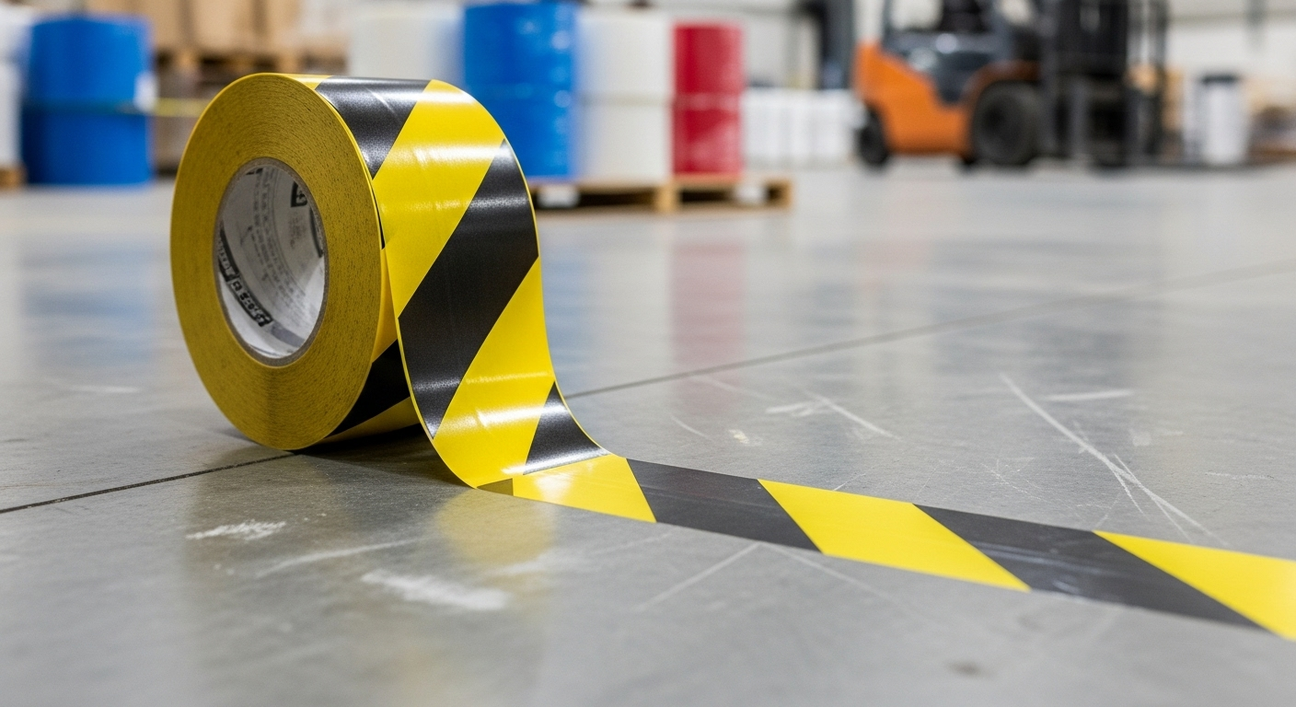
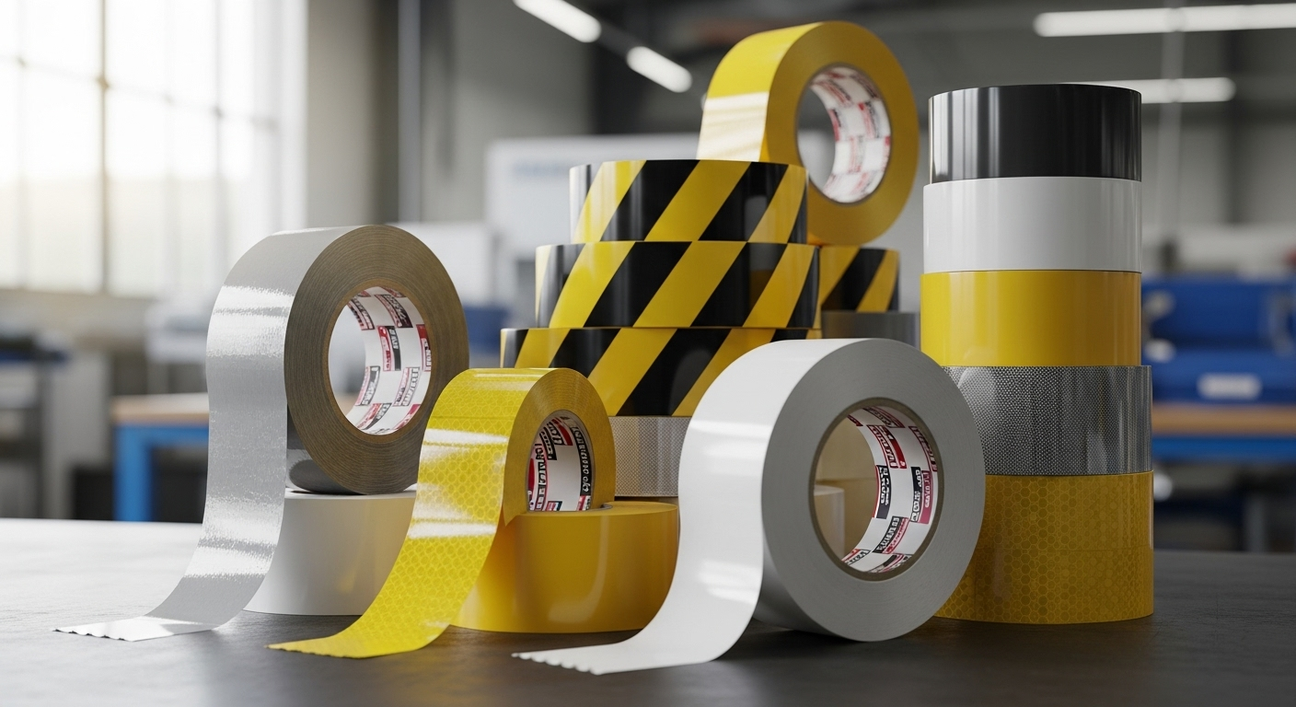
Types of tape: Vinyl, PVC, and anti-slip tapes all have different durability and traction properties.
Common mistake: Using standard tape in high-traffic or wet areas can lead to rapid wear, slipping hazards, or fading.
Best practices: Match tape type to your needs—PVC or textured tape for forklifts, anti-slip for wet areas, and vinyl for low-traffic zones.
Selecting the right material ensures your floor hazard marking remains visible and effective over time.
Mistake 3: Inconsistent or Misaligned Markings
Misaligned or uneven tape is a frequent floor marking mistake that creates confusion in the workplace.
Problems caused: Uneven lines can mislead employees or vehicle operators, resulting in collisions or injuries.
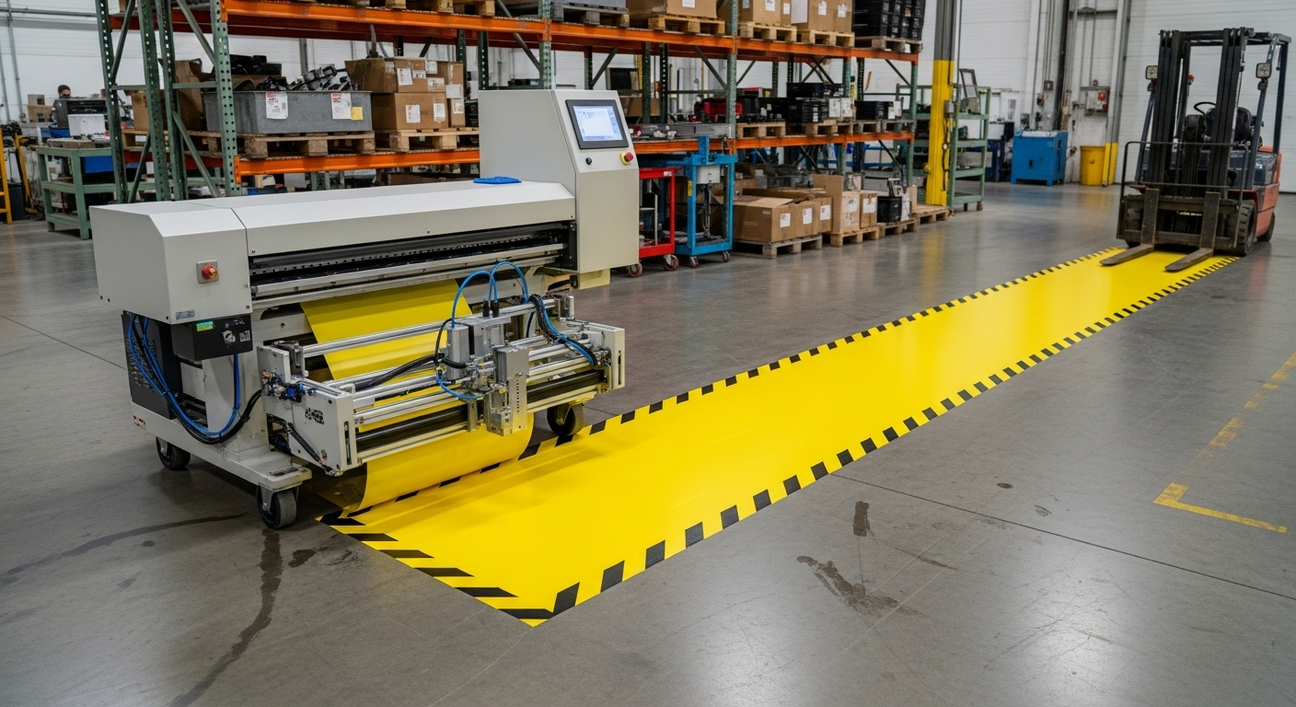
Planning is key: Measure and mark the floor with chalk or guidelines before applying tape. Use tools like rulers, straight edges, and tape dispensers for precision.
Best practice: Consistent and straight lines create clear industrial marking guidance and reduce the risk of accidents.
Proper alignment not only improves safety but also gives a professional appearance to your facility.
Mistake 4: Ignoring OSHA and Safety Color Codes

Another common error is neglecting safety color standards for floor hazard markings.
Why it matters: OSHA and ANSI guidelines define specific colors for hazards, walkways, equipment zones, and emergency areas.
Mistakes include: Using inconsistent colors or ignoring standard coding can confuse employees and compromise warehouse safety.
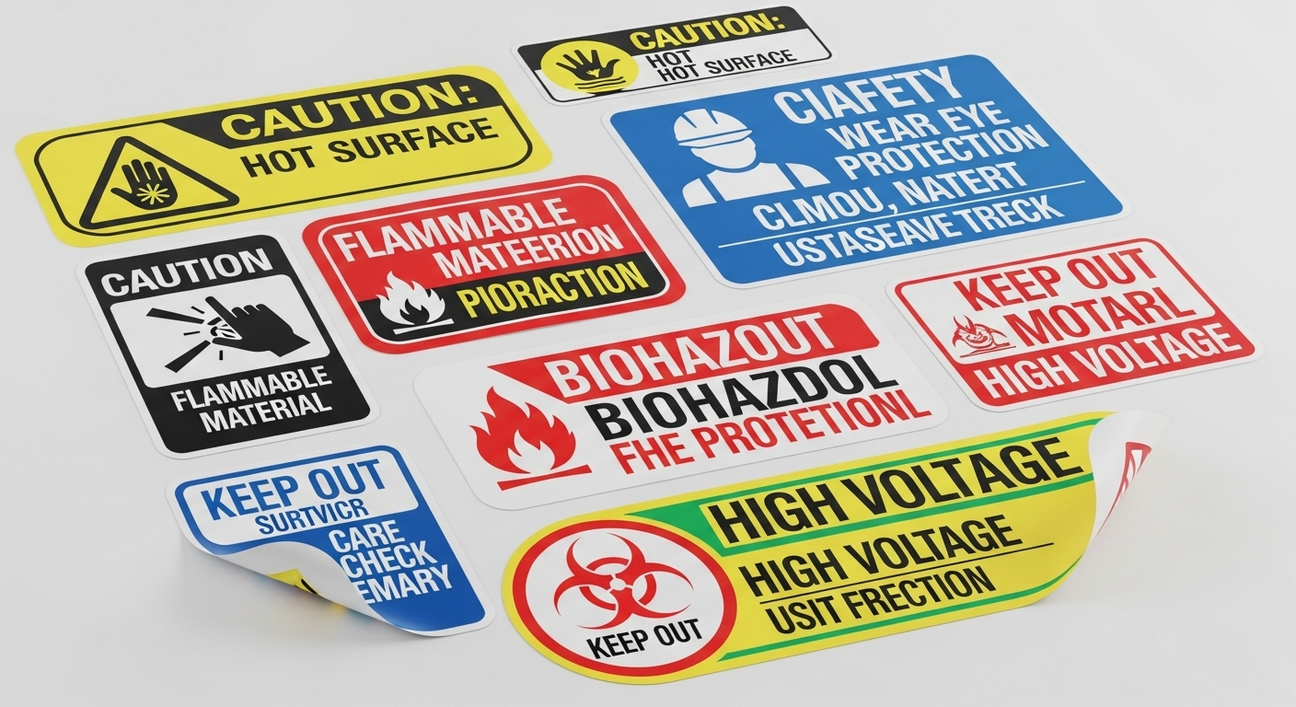
Best practices: Use yellow for caution or pedestrian paths, red for fire hazards, green for safe areas, and blue for information or instructions. Include symbols when necessary for clarity.
Following proper color coding ensures everyone in the facility understands potential risks.
Mistake 5: Neglecting Maintenance and Inspection
Even properly installed tape can fail if it is not maintained. Many facilities make the industrial marking error of ignoring routine inspections.
Effects of neglect: Faded, peeling, or damaged tape can lead to floor marking mistakes and workplace accidents.
Maintenance tips: Schedule regular checks, clean tape surfaces without harsh chemicals, and replace worn sections promptly.
Longevity: High-quality tape, like the solutions from Archford, combined with proper maintenance, can last months or even years, keeping your facility safe.
Routine inspection ensures warehouse safety tape remains effective and highly visible.
Tips for Avoiding Common Floor Marking Mistakes
To prevent errors and ensure effective industrial marking, follow these tips:
Plan the layout carefully: Map out pedestrian paths, equipment zones, and hazard areas before applying tape.
Choose quality materials: High-quality tape reduces peeling, fading, and misalignment.
Train staff: Employees should understand color codes, symbols, and the purpose of each marking.
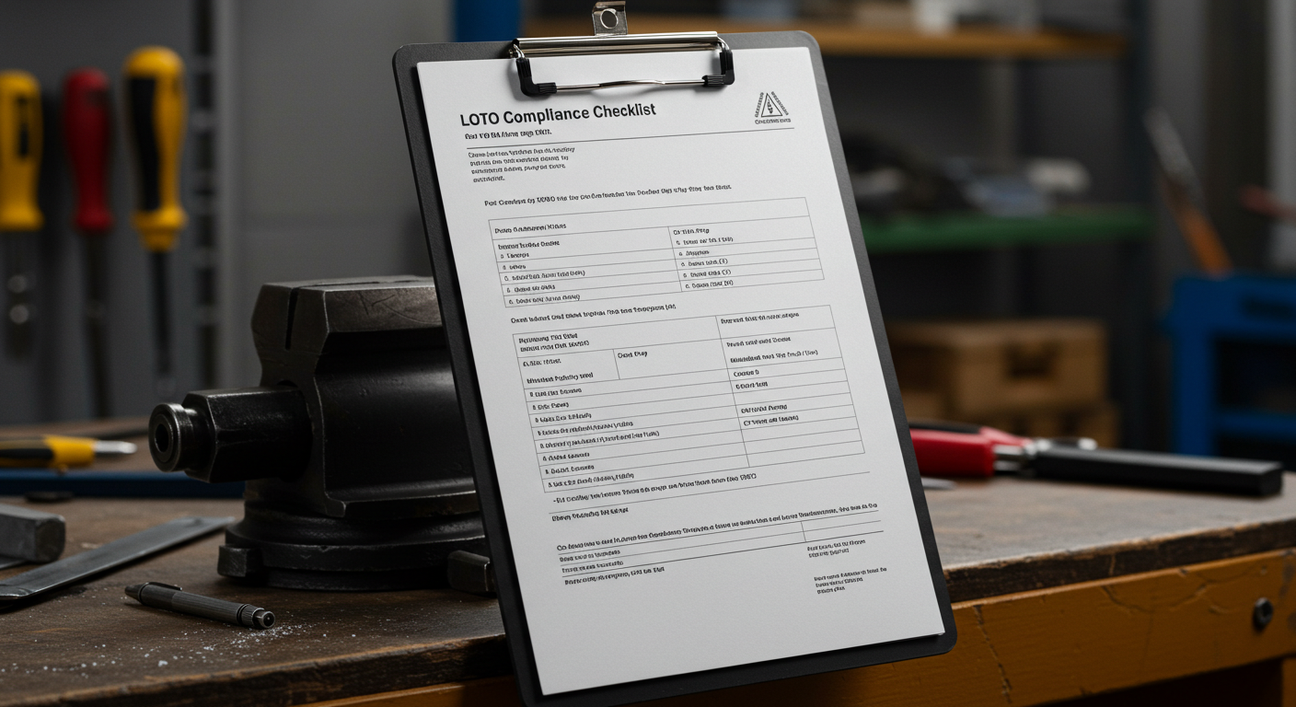
Conduct regular audits: Inspect tape and markings periodically to replace worn or damaged sections.
Taking these steps reduces mistakes and improves the overall safety and efficiency of your facility.
Conclusion

Avoiding common floor marking mistakes is essential for maintaining a safe and organized workplace. From proper floor preparation to selecting the right materials, ensuring alignment, following color codes, and maintaining markings, each step is critical to effective industrial marking. By addressing these issues and using trusted solutions from suppliers like Archford, businesses can minimize warehouse safety mistakes and ensure that floor hazard markings remain clear, durable, and effective.
Investing in quality tape and implementing best practices not only prevents accidents but also enhances workflow, compliance, and employee confidence.
FAQs
What are common floor marking mistakes?
Common floor marking mistakes include skipping floor prep, using the wrong floor tape, misaligned markings, ignoring color codes, and neglecting maintenance.
How can industrial marking errors be avoided?
Avoid industrial marking errors by properly cleaning the floor, selecting the right tape, planning layout, following OSHA/ANSI color standards, and inspecting markings regularly.
What are warehouse safety mistakes related to floor tape?
Warehouse safety mistakes often involve unclear pedestrian paths, faded or peeling tape, inconsistent colors, and poorly maintained hazard markings.
How often should floor markings be inspected?
Regular inspections should be done at least monthly to check for wear, fading, or peeling and to replace damaged tape promptly.
Where can I get reliable floor marking solutions?
Suppliers like Archford provide durable floor hazard marking tape and complete solutions to help prevent labeling errors and maintain workplace safety.