
Industrial Safety Regulations Every Business Must Know
Ensuring workplace safety is a critical responsibility for every business. Understanding industrial safety regulations helps companies protect employees, reduce accidents, and stay compliant with the law. Following proper safety rules not only prevents injuries but also safeguards your business from fines and legal complications.
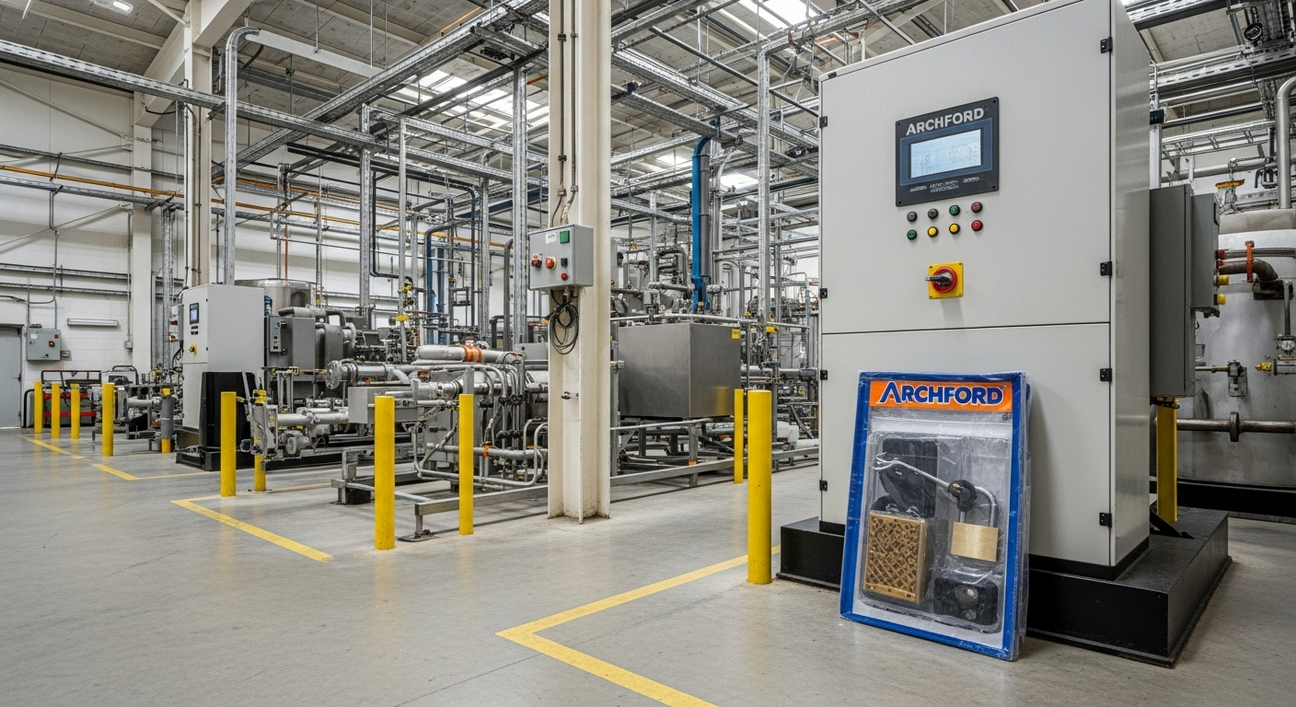
Leading suppliers like Archford provide resources and equipment that support businesses in maintaining compliance with industrial safety standards effectively.
Understanding Industrial Safety Regulations
Industrial safety regulations are laws and guidelines designed to protect workers from workplace hazards. These regulations cover everything from chemical handling to machinery use and fall protection.
The most recognized regulatory body in the U.S. is OSHA, which sets and enforces OSHA regulations to ensure safe and healthy working conditions. Local authorities and international safety organizations also provide standards for specific industries. Compliance with these laws ensures a safer environment for employees and reduces liability for employers.
General Workplace Safety Requirements
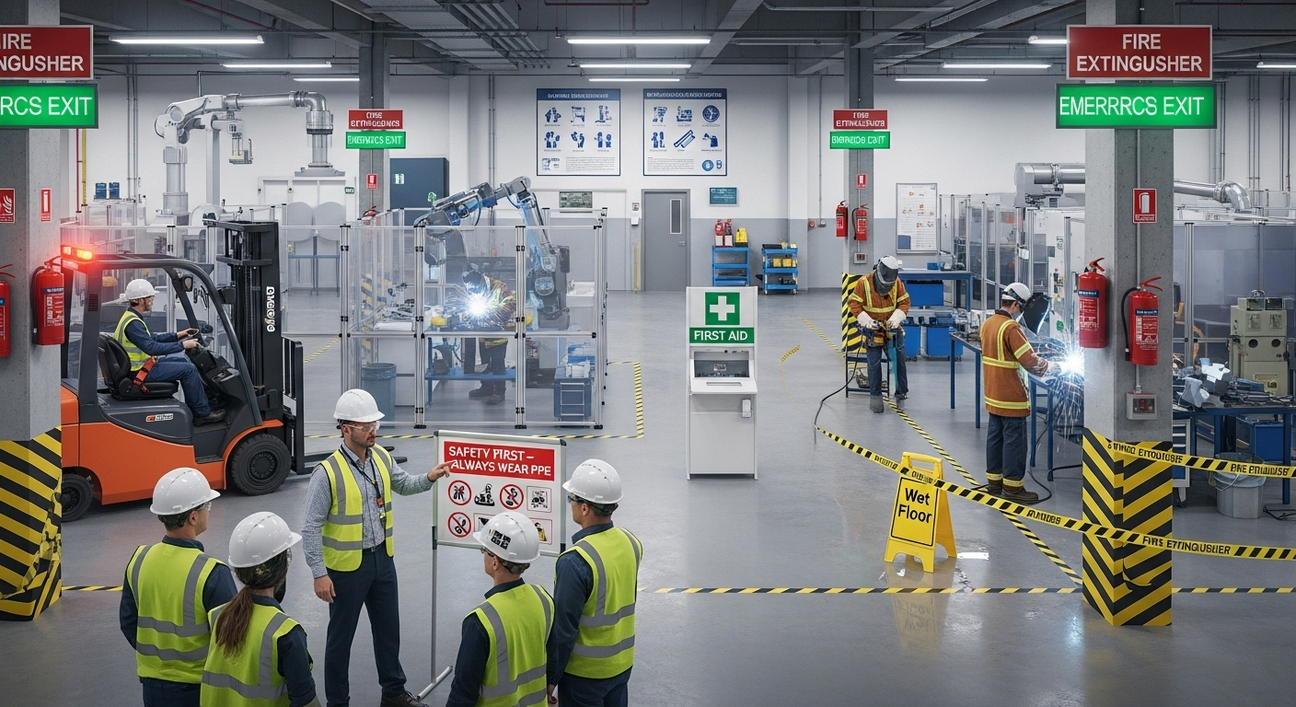
All workplaces must maintain a safe environment. Key requirements include:
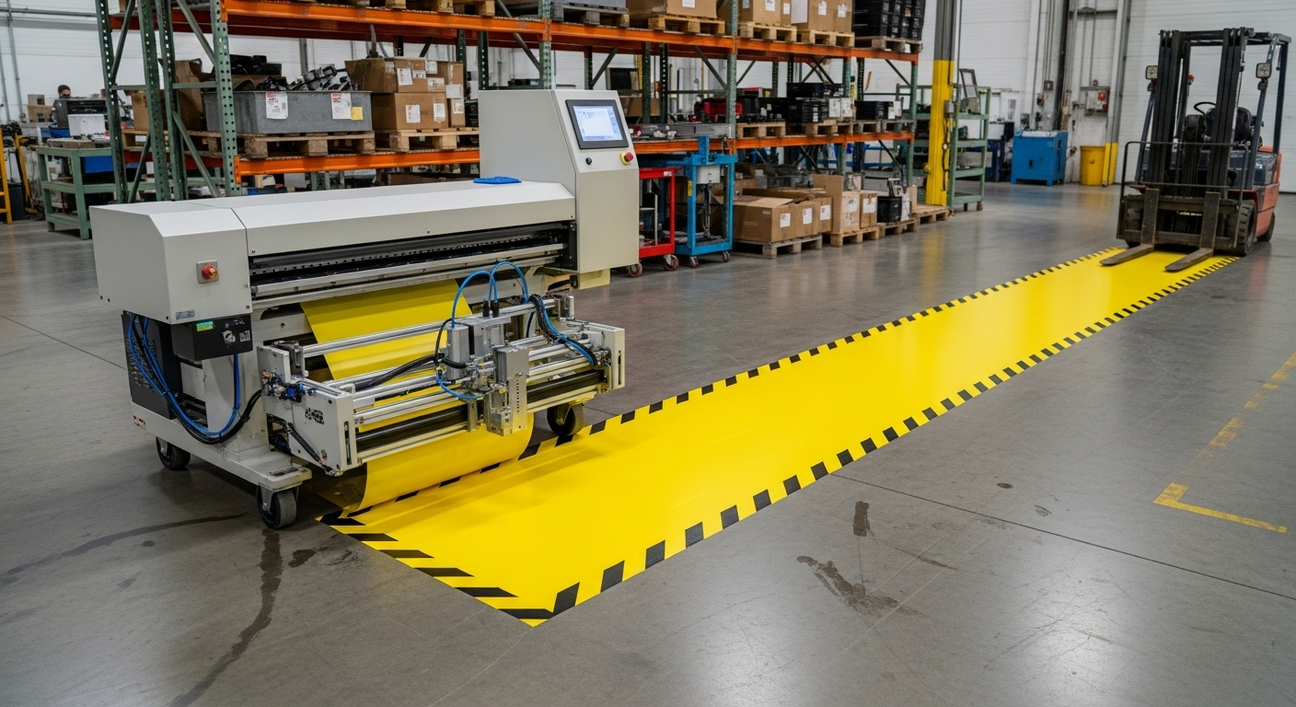
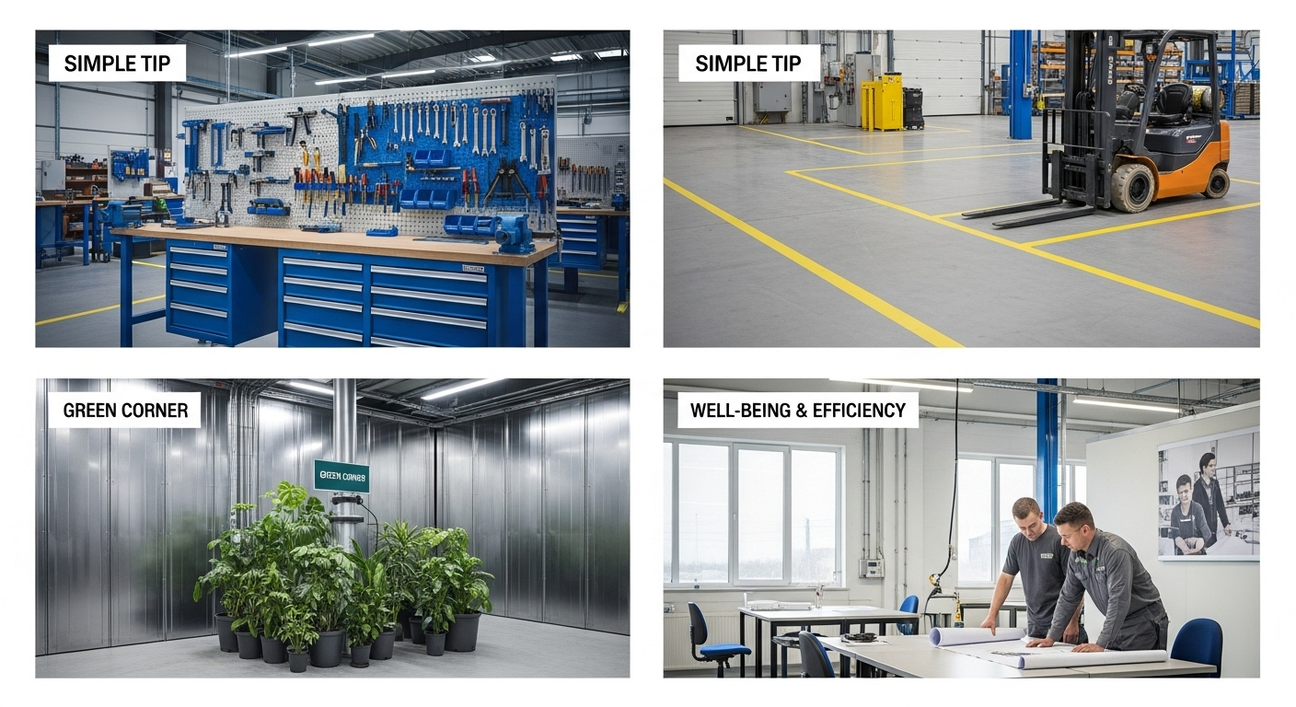
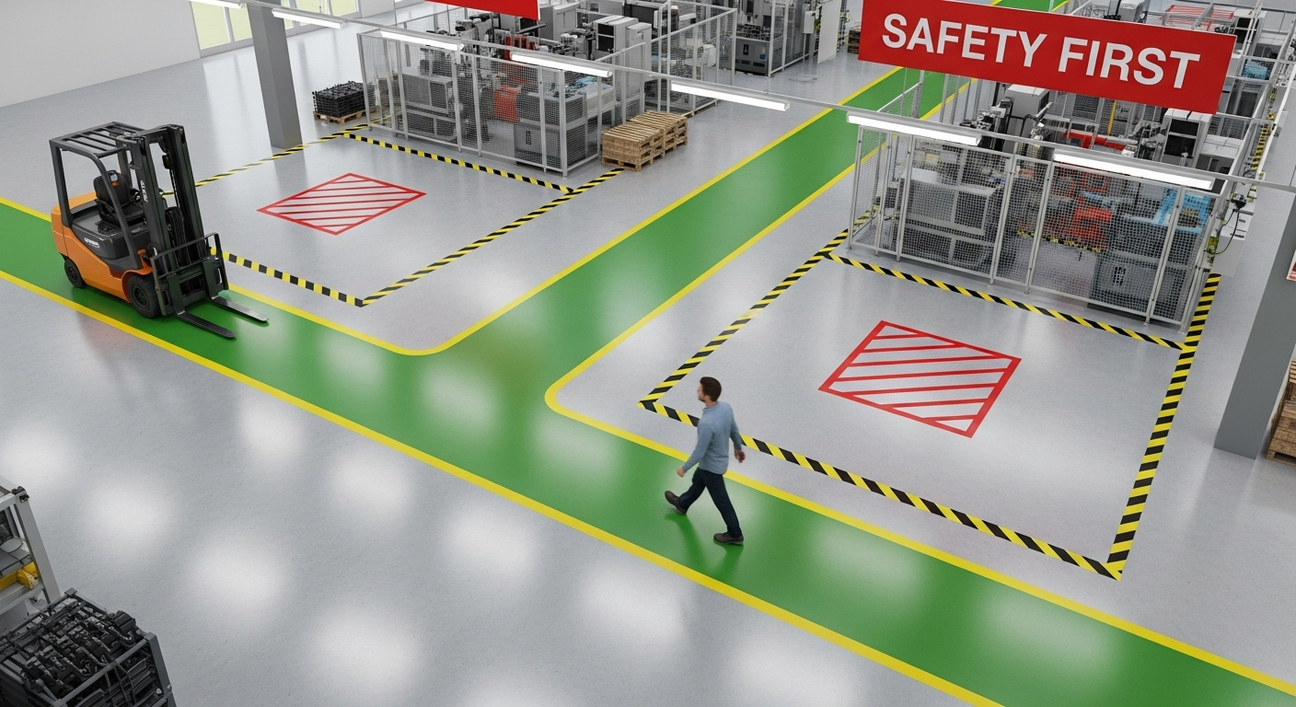
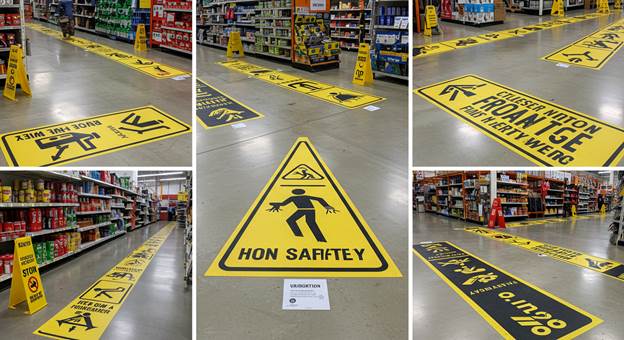
Hazard-free work areas: Keeping floors, walkways, and workstations clear of obstacles and spills.
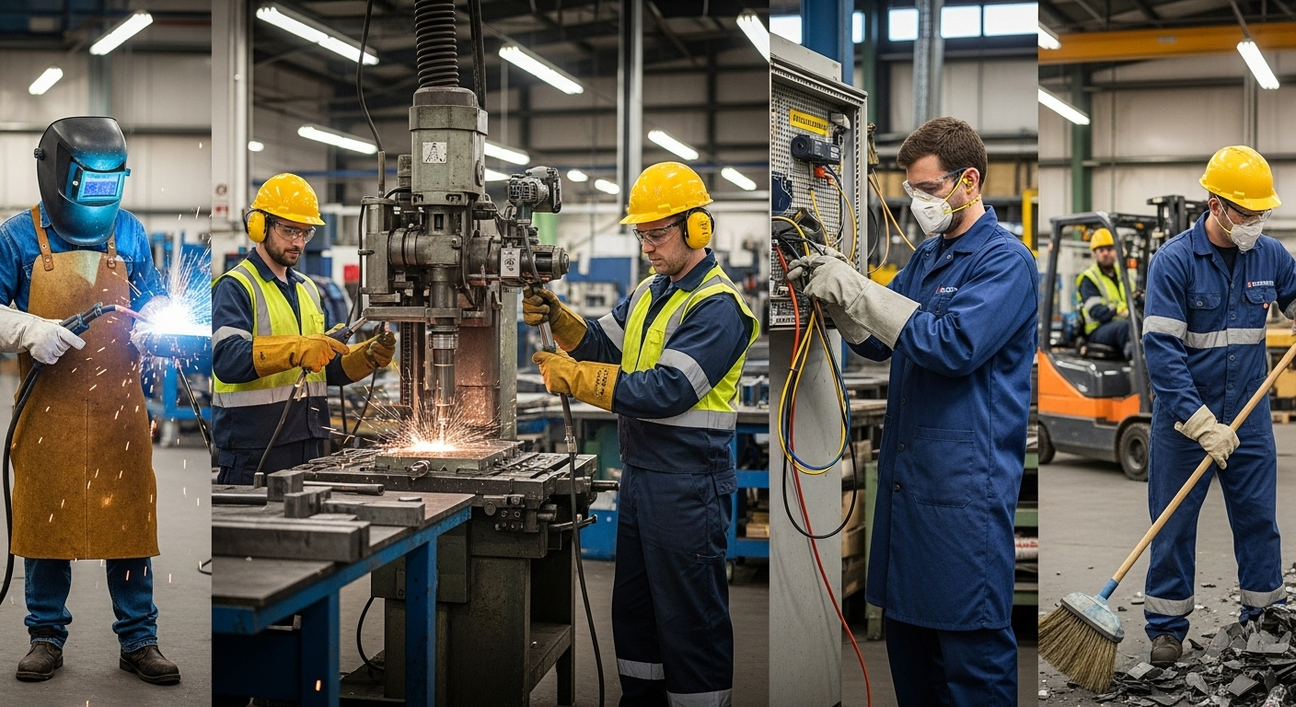
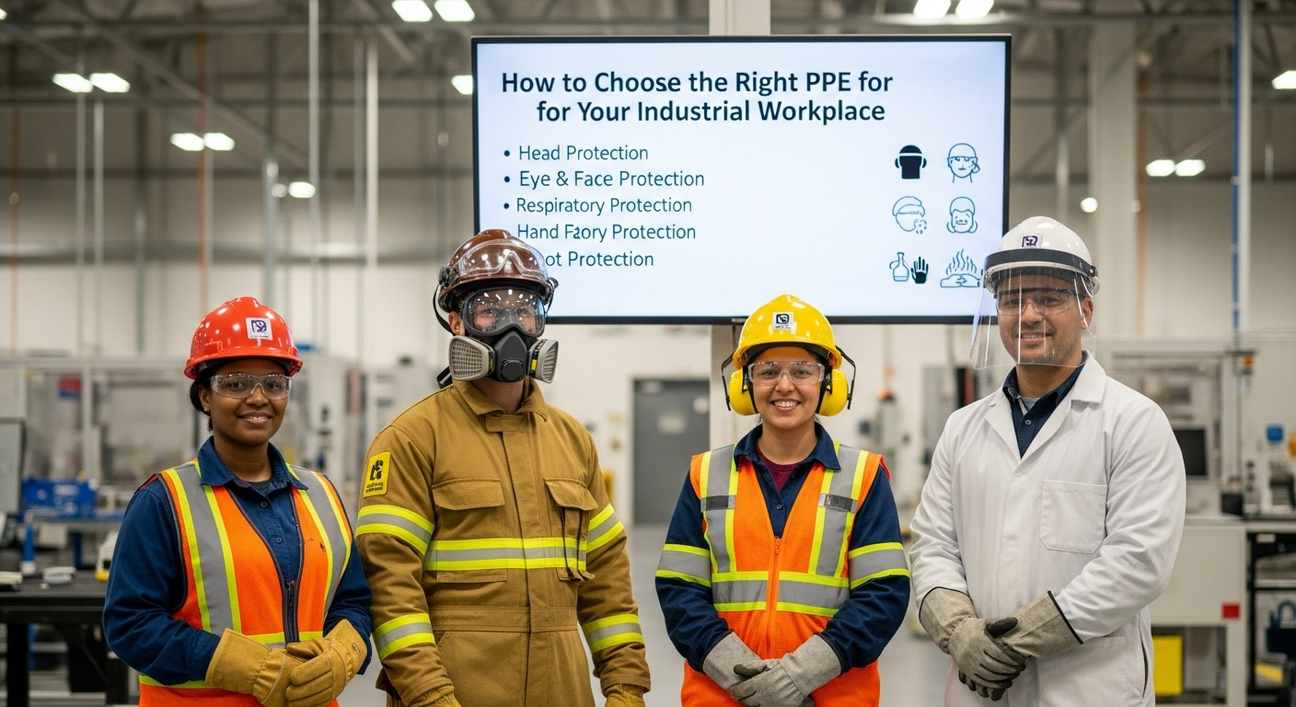
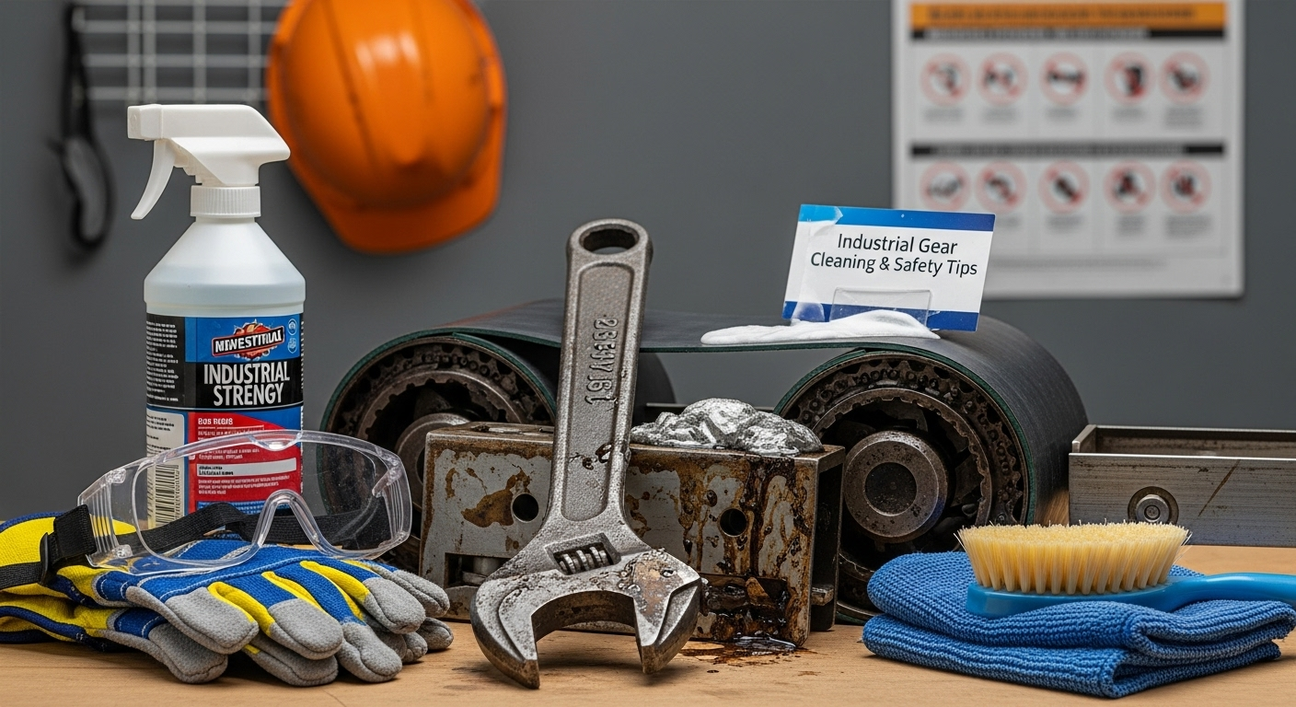
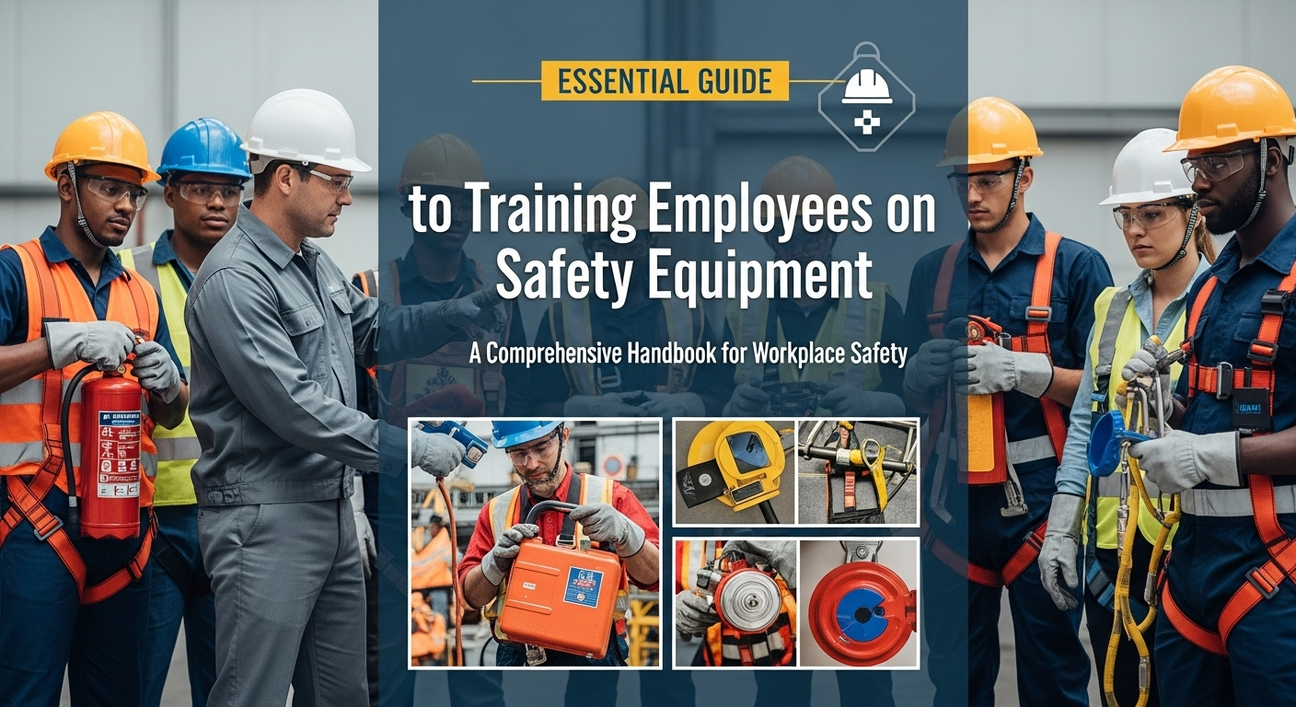
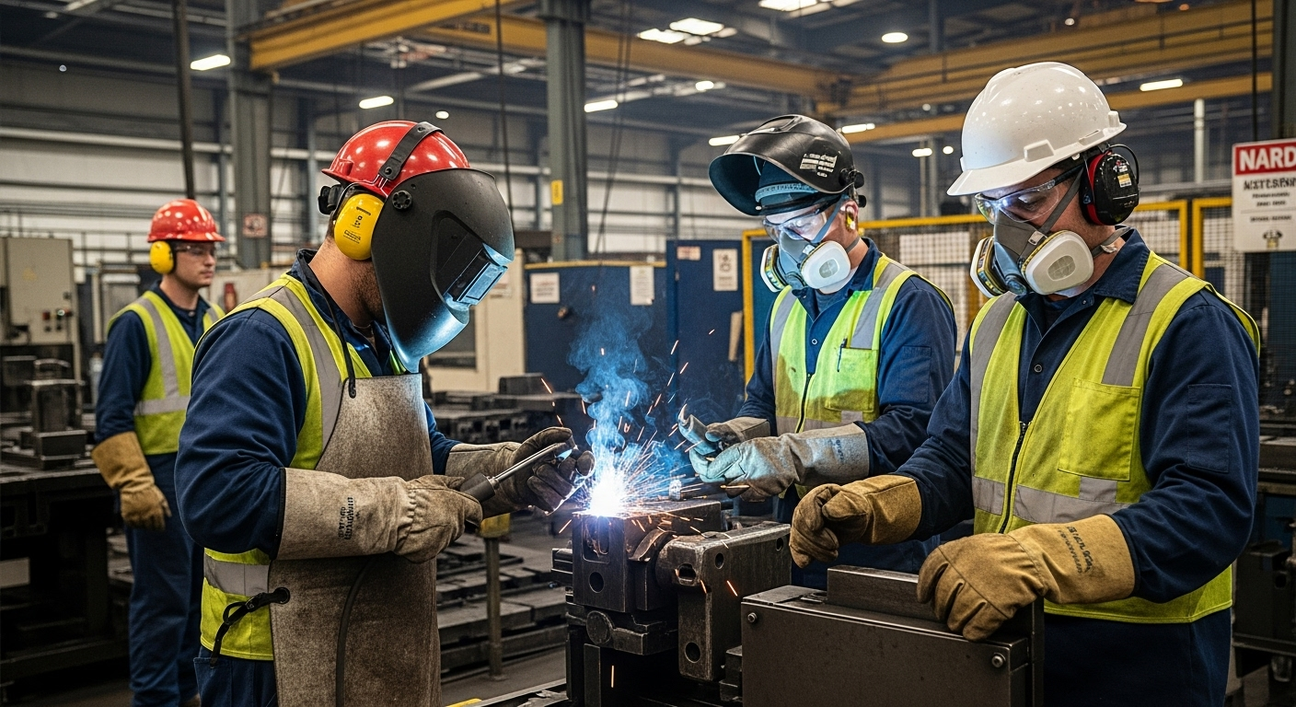
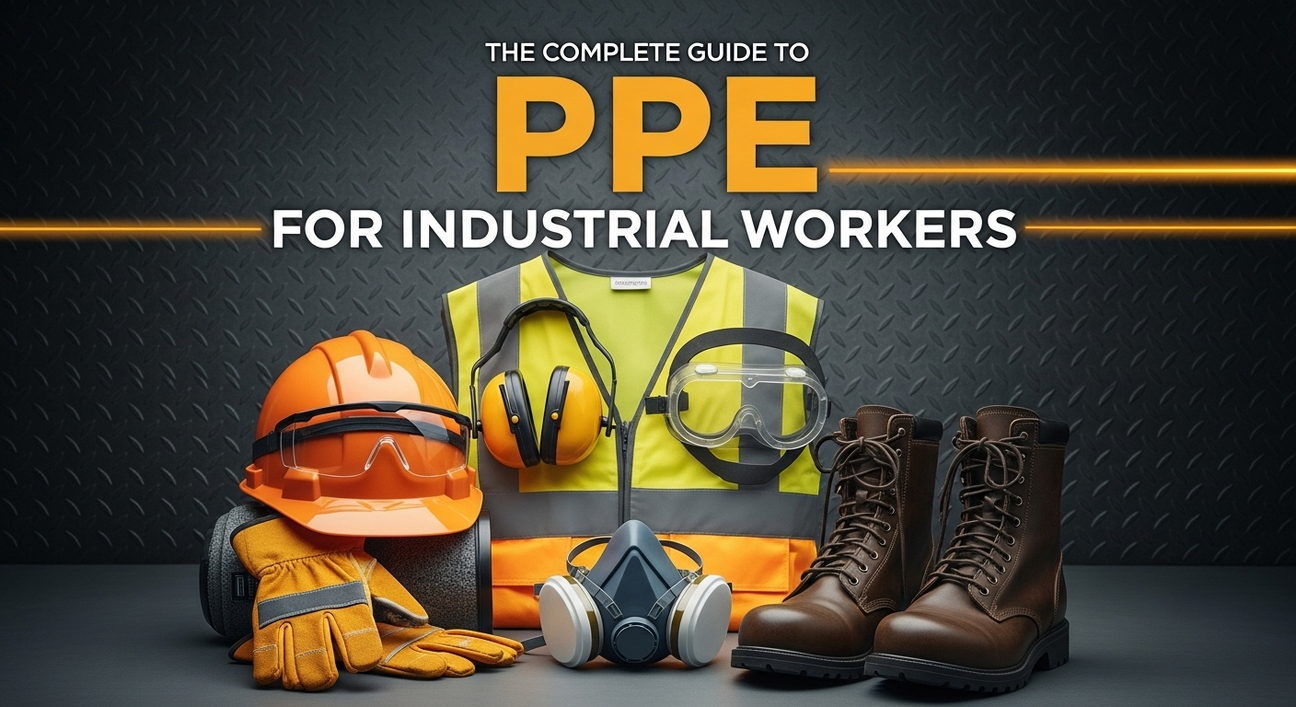
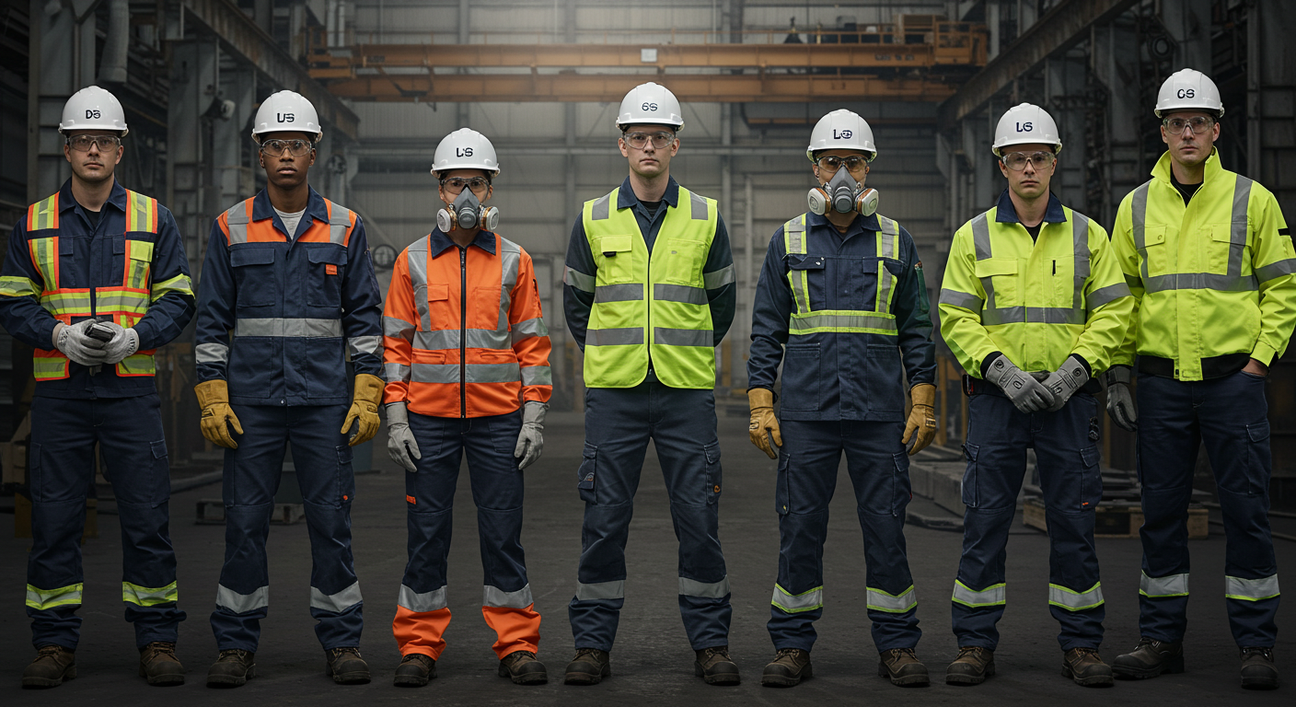
Proper PPE: Providing personal protective equipment appropriate for the work environment.
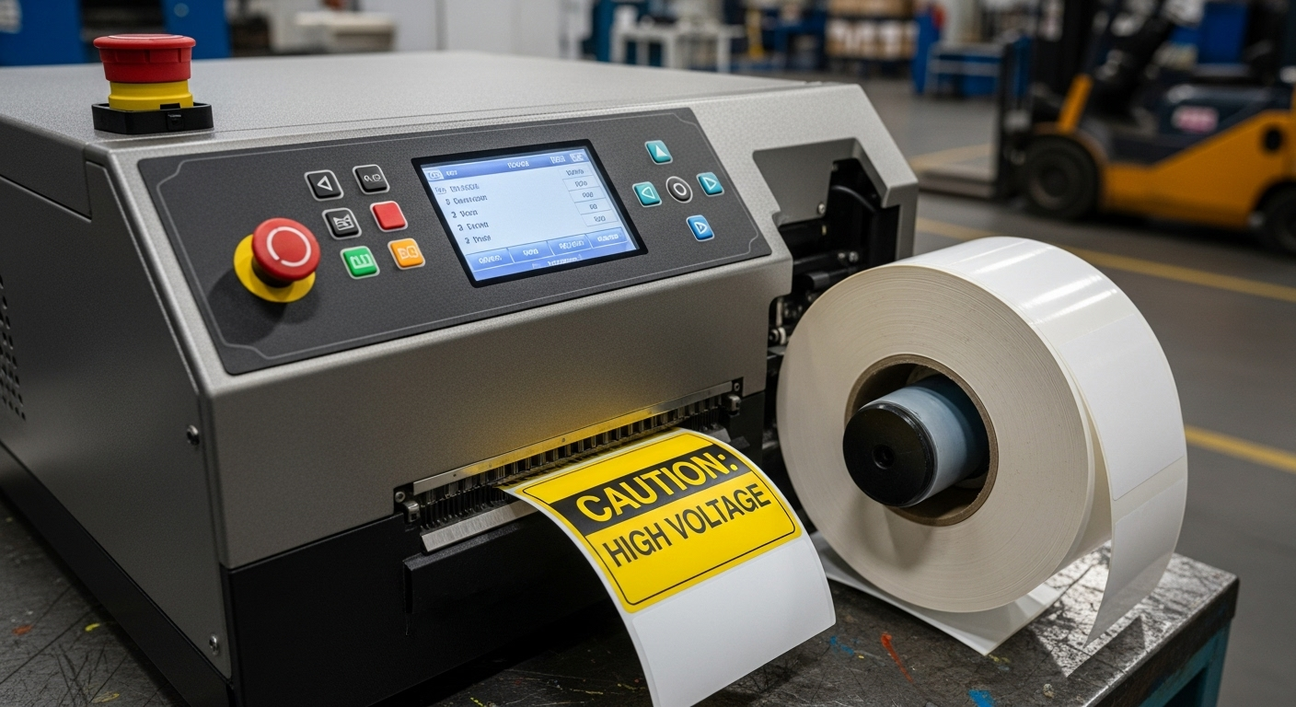
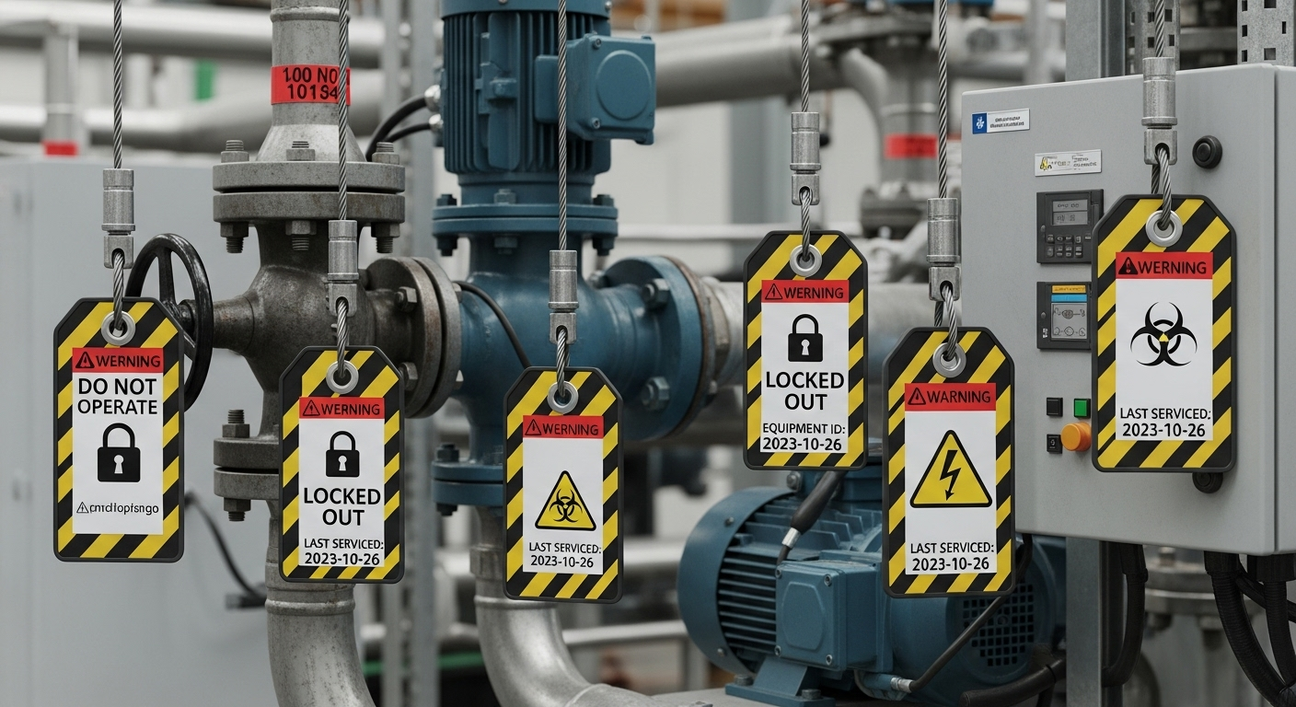
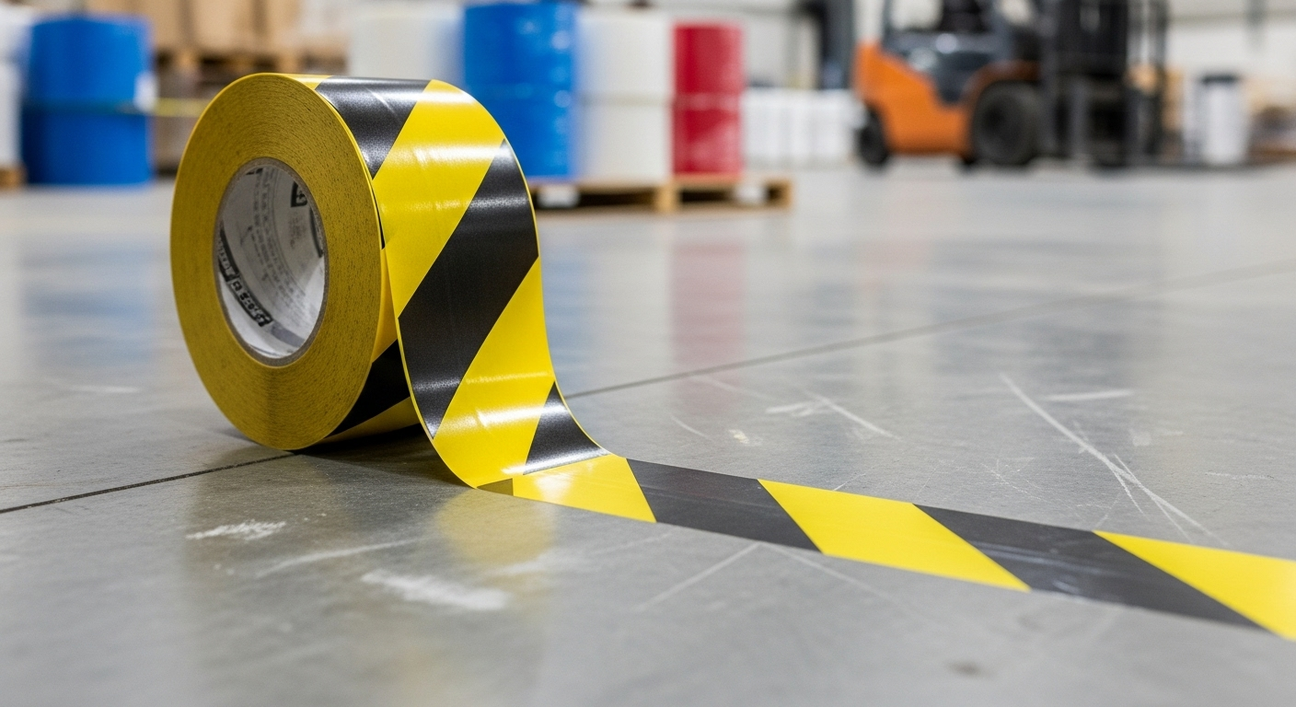
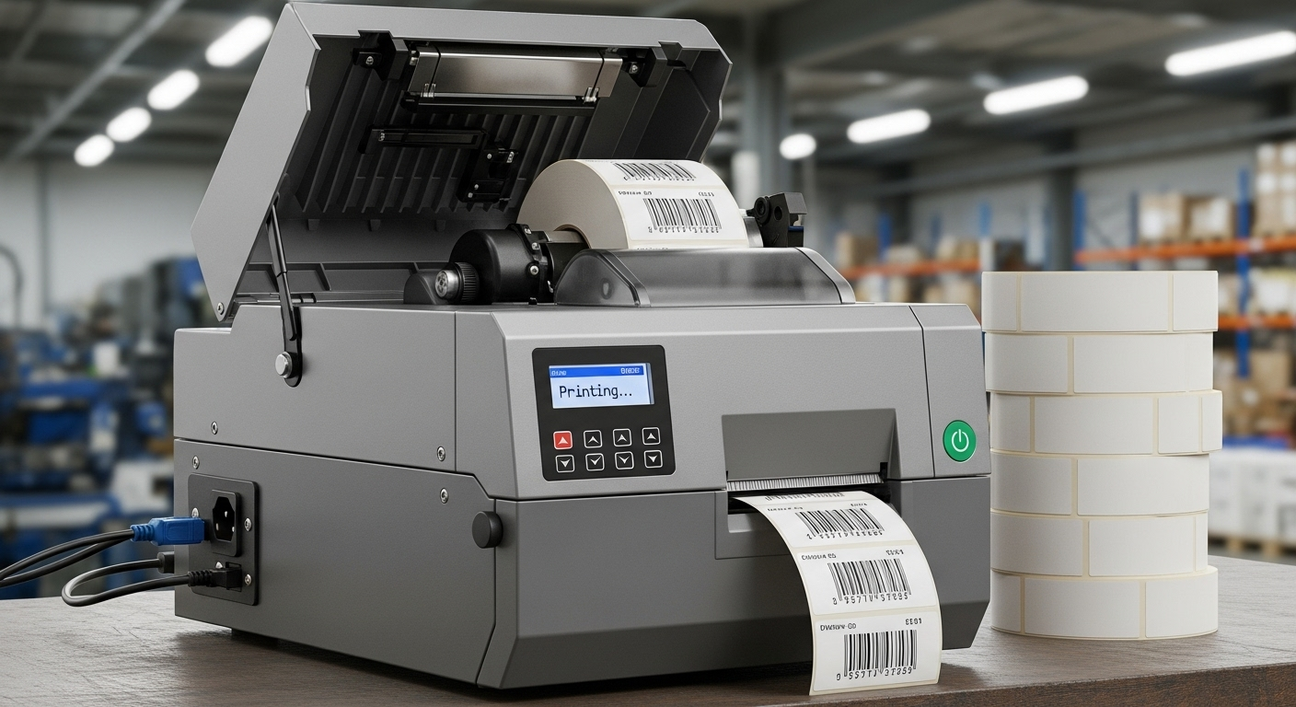
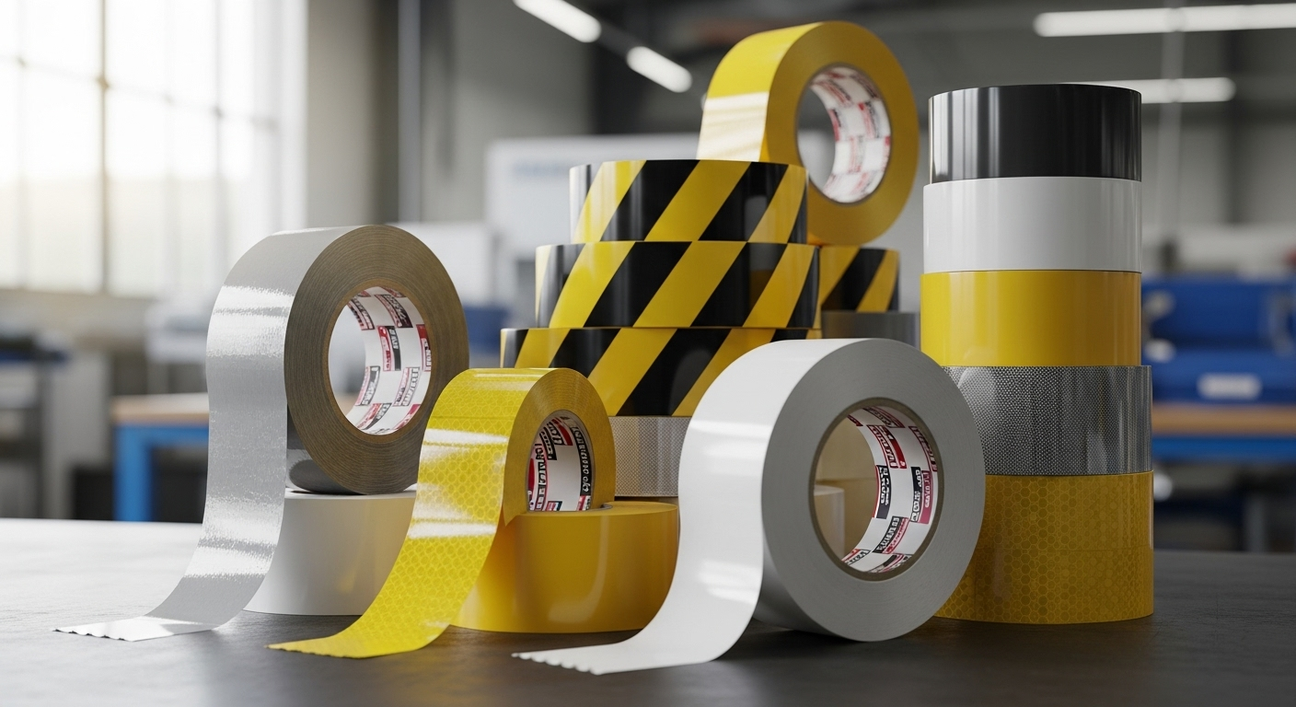
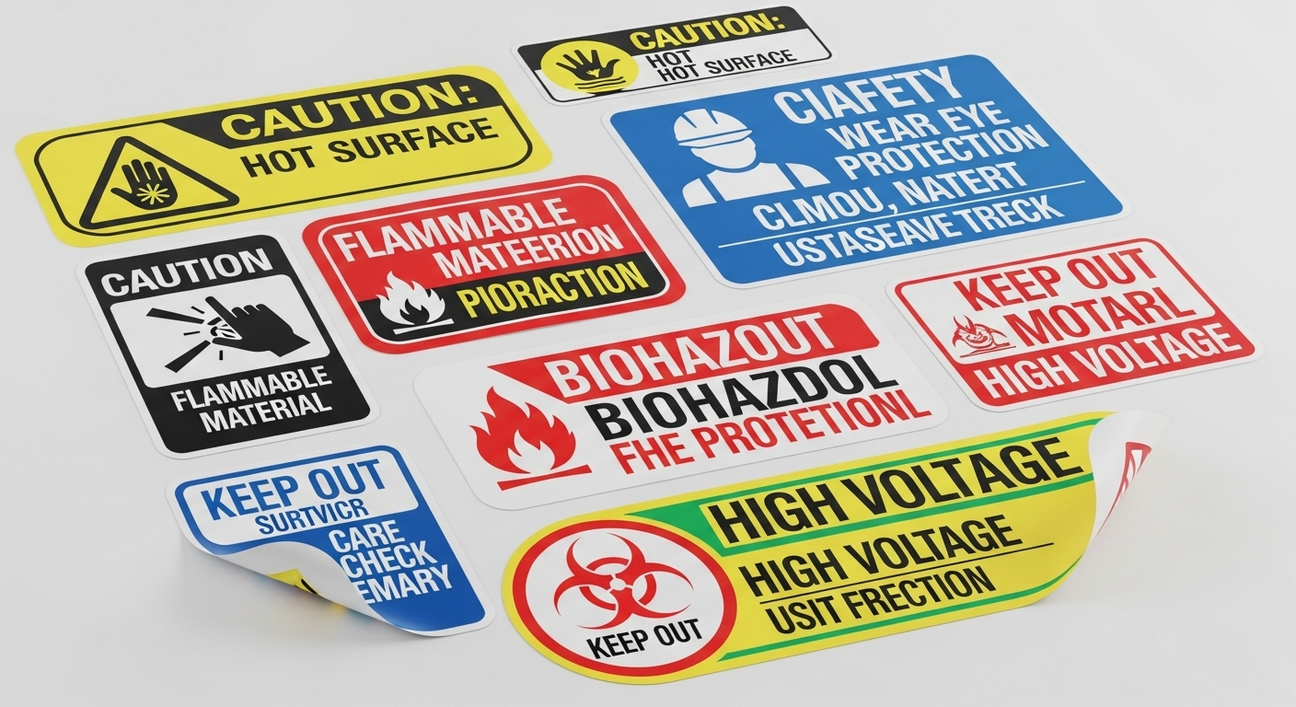
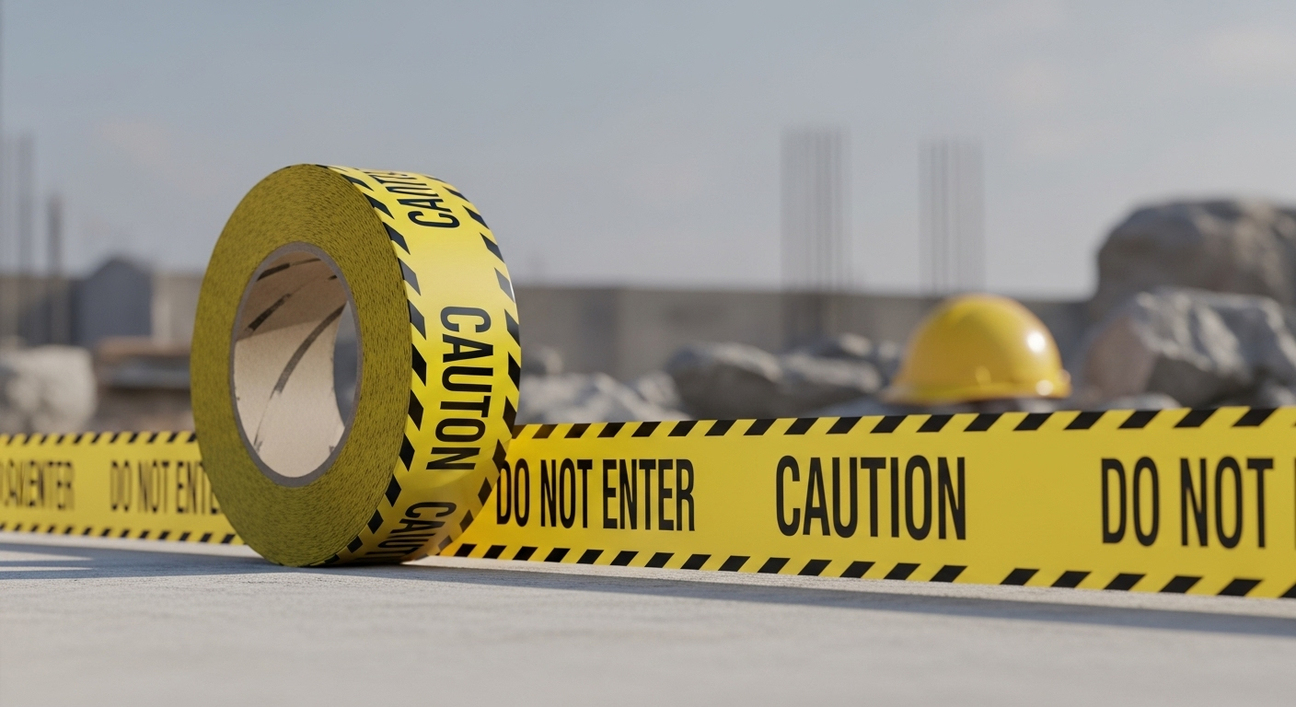
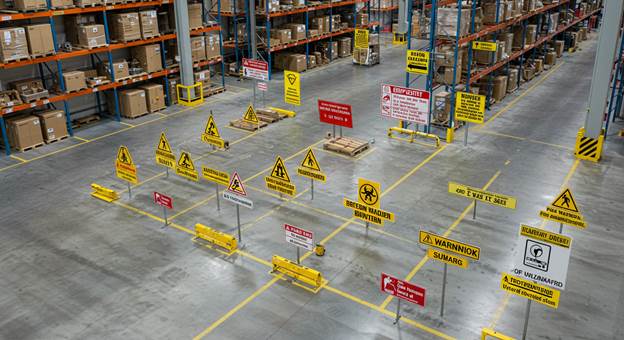
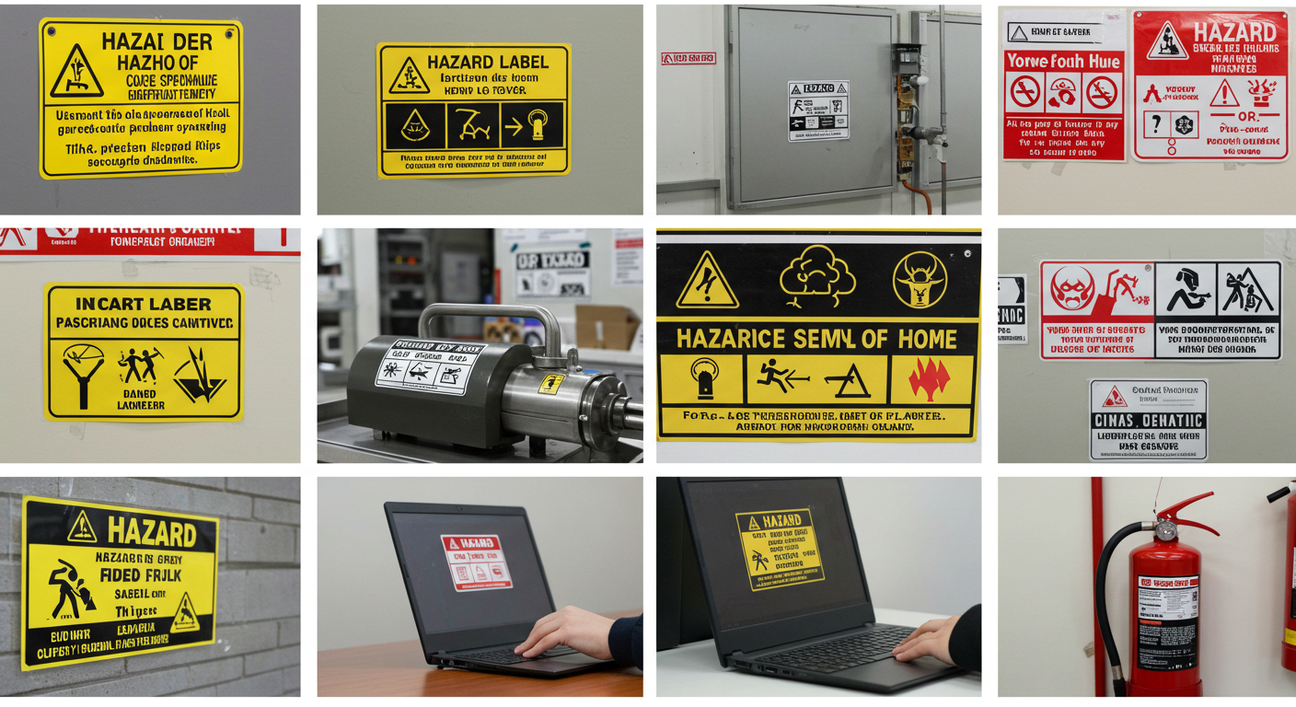
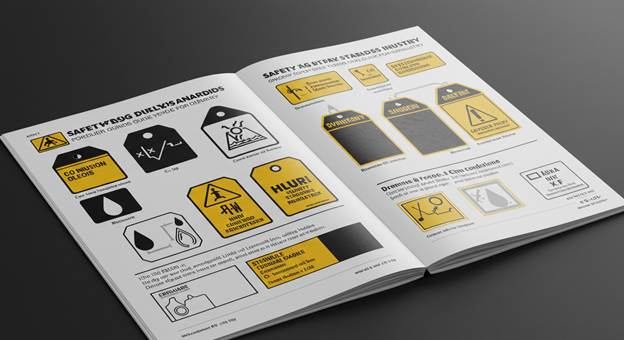
Safety signage: Clear labels and warning signs to alert employees of potential hazards.
Following these basic industrial safety standards lays the foundation for broader compliance and accident prevention.
Machinery and Equipment Safety Regulations
Machinery-related accidents are common in industrial settings. Regulations ensure safe operation through:
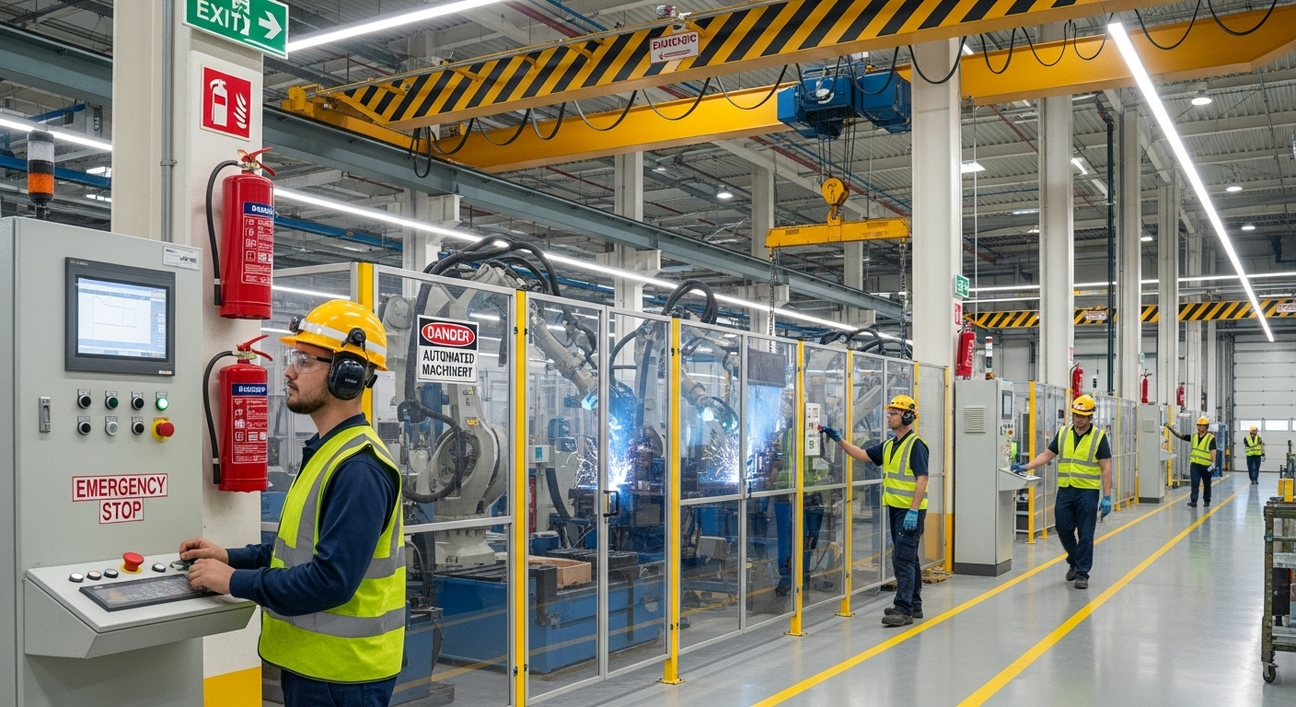
Guarding moving parts: Physical barriers and sensors prevent accidental contact.
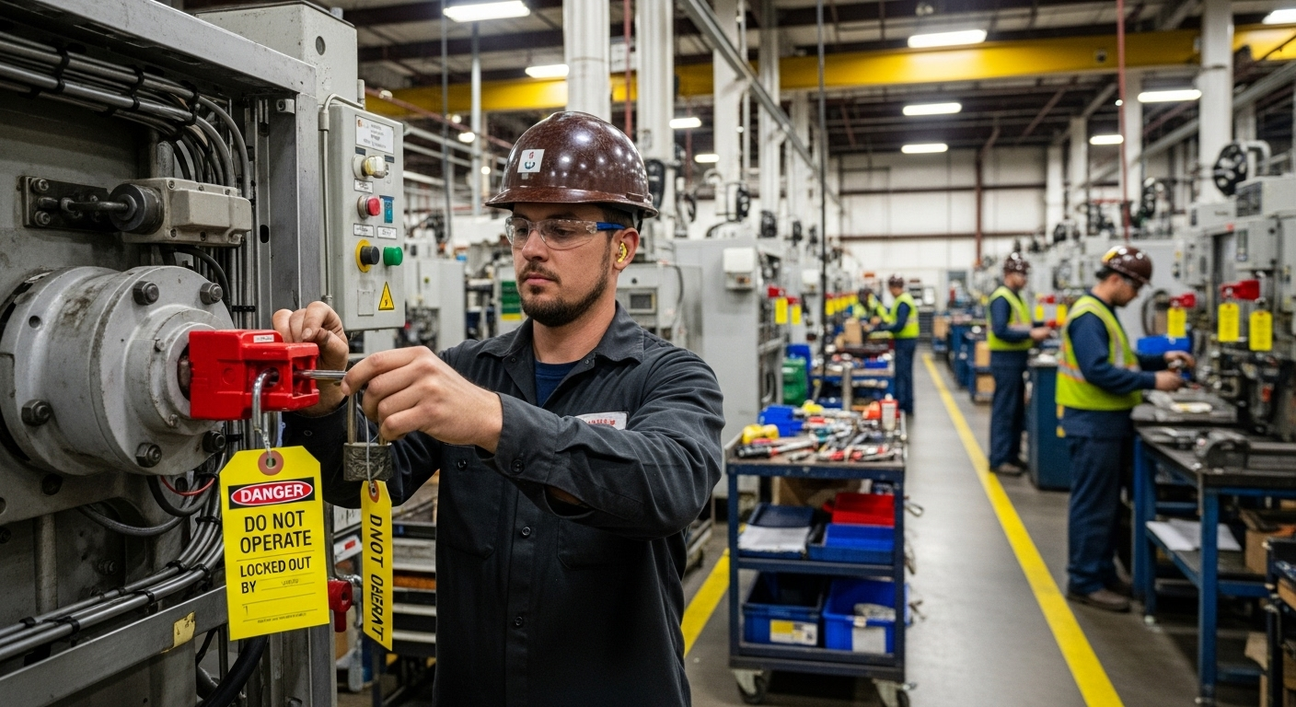
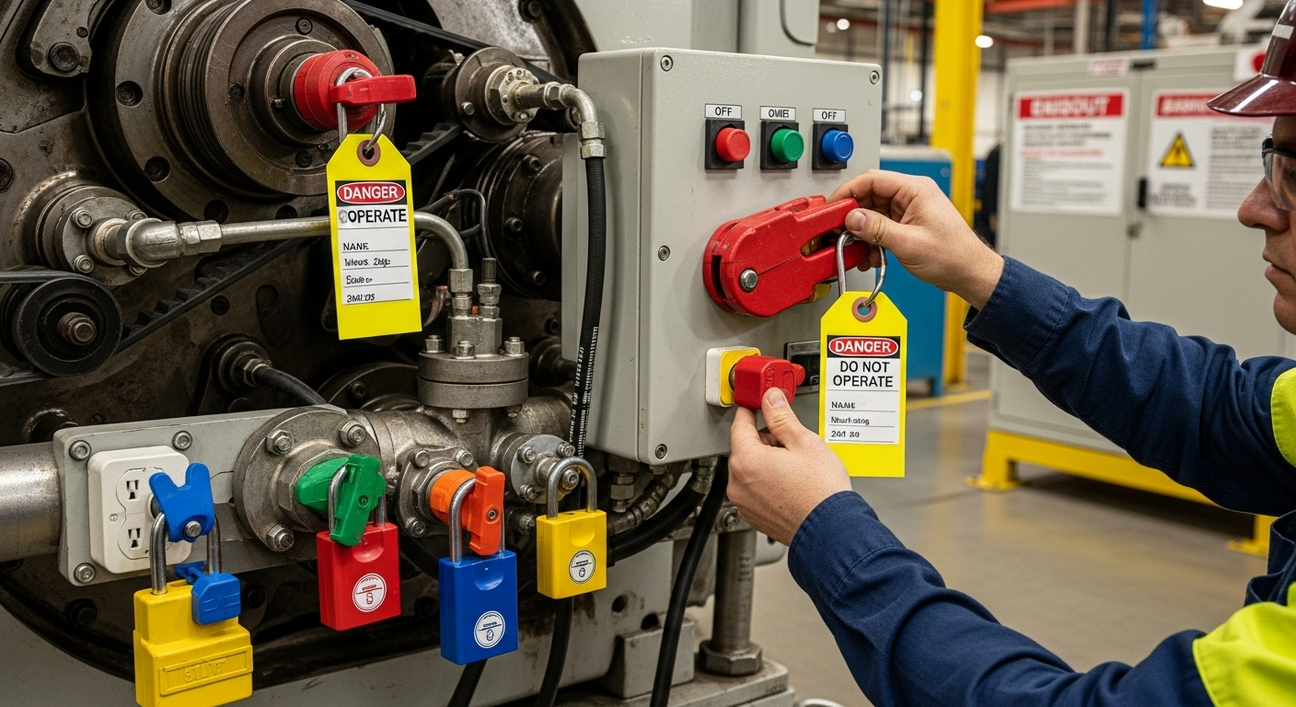
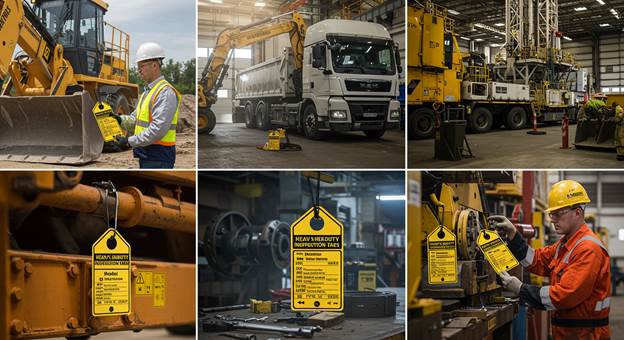
Maintenance schedules: Regular inspection and repair of machines to avoid malfunctions.
Employee training: Only trained personnel should operate industrial equipment.
Compliance with these safety rules reduces the risk of severe injuries and ensures adherence to OSHA regulations.
Chemical Safety and Hazardous Materials
Many industrial workplaces handle hazardous chemicals. Key regulatory requirements include:
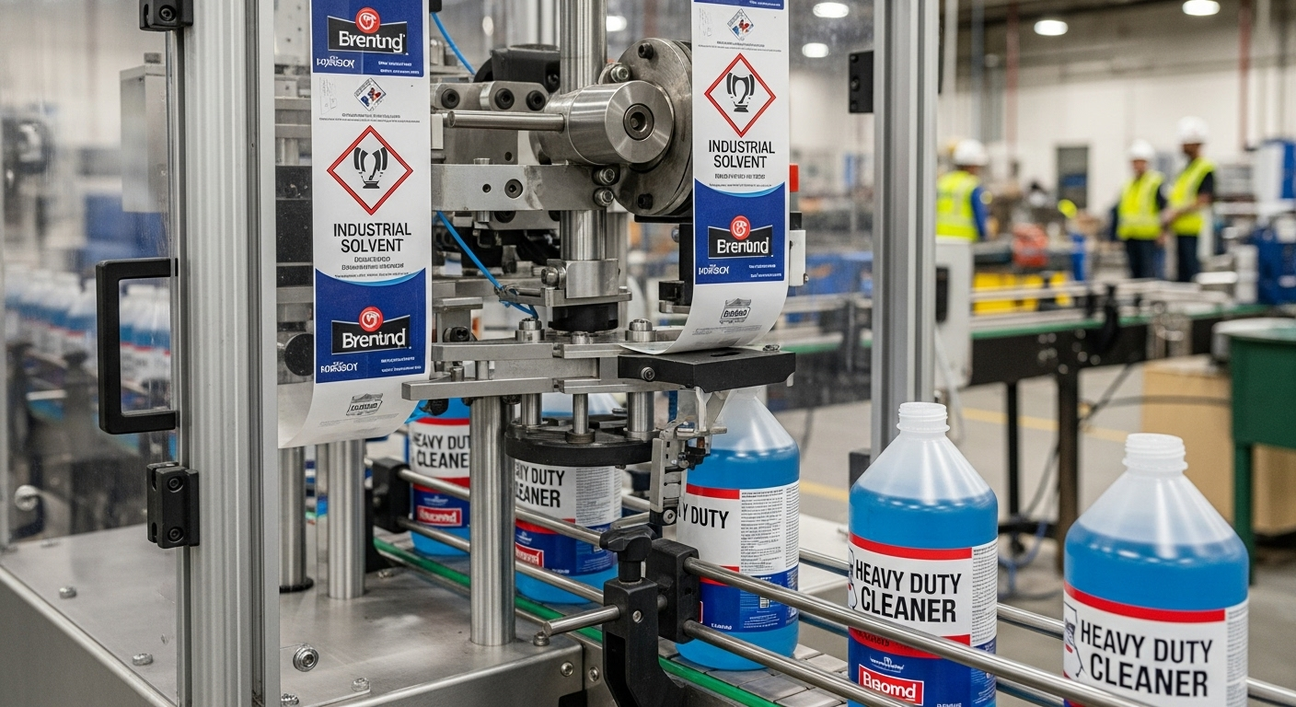
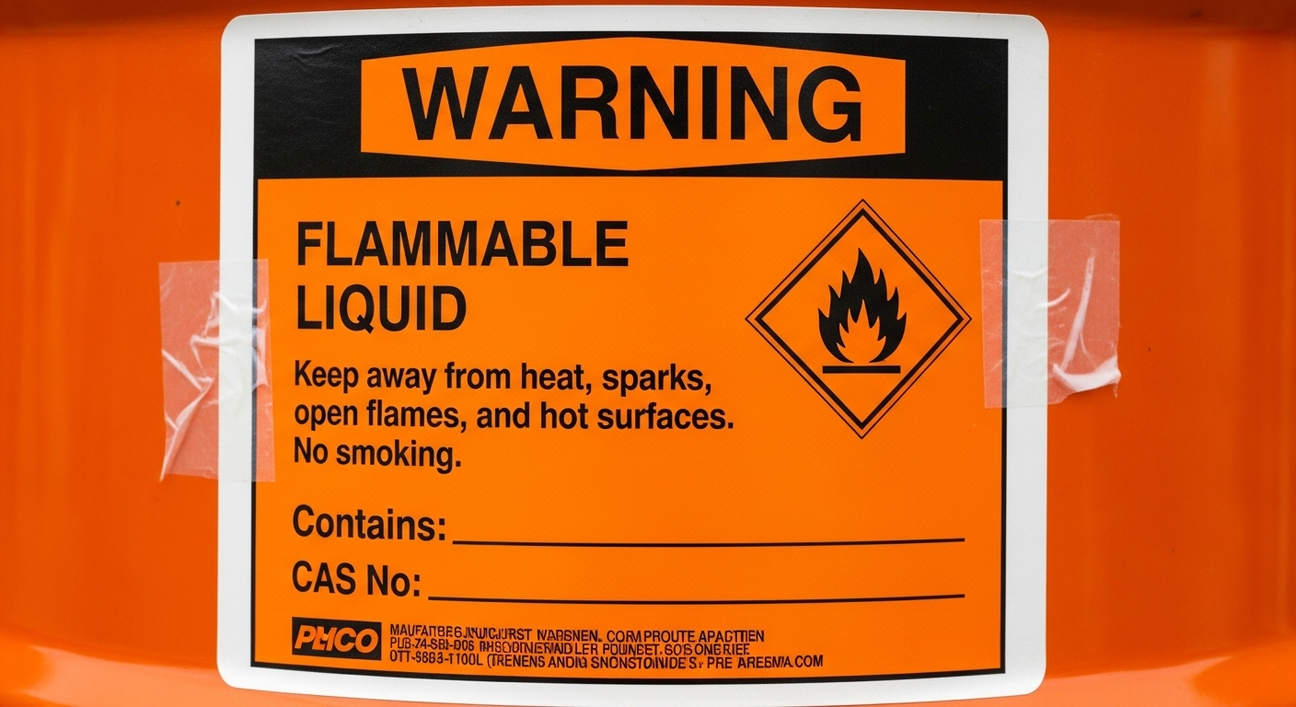
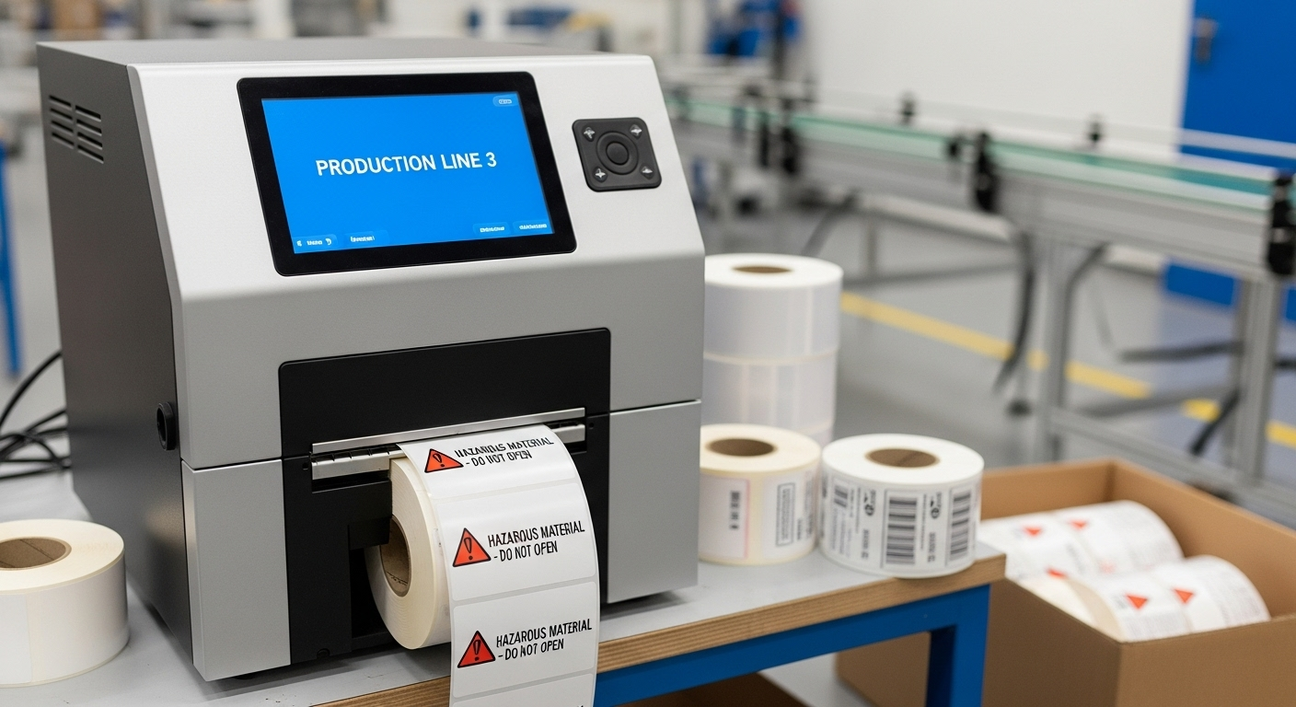
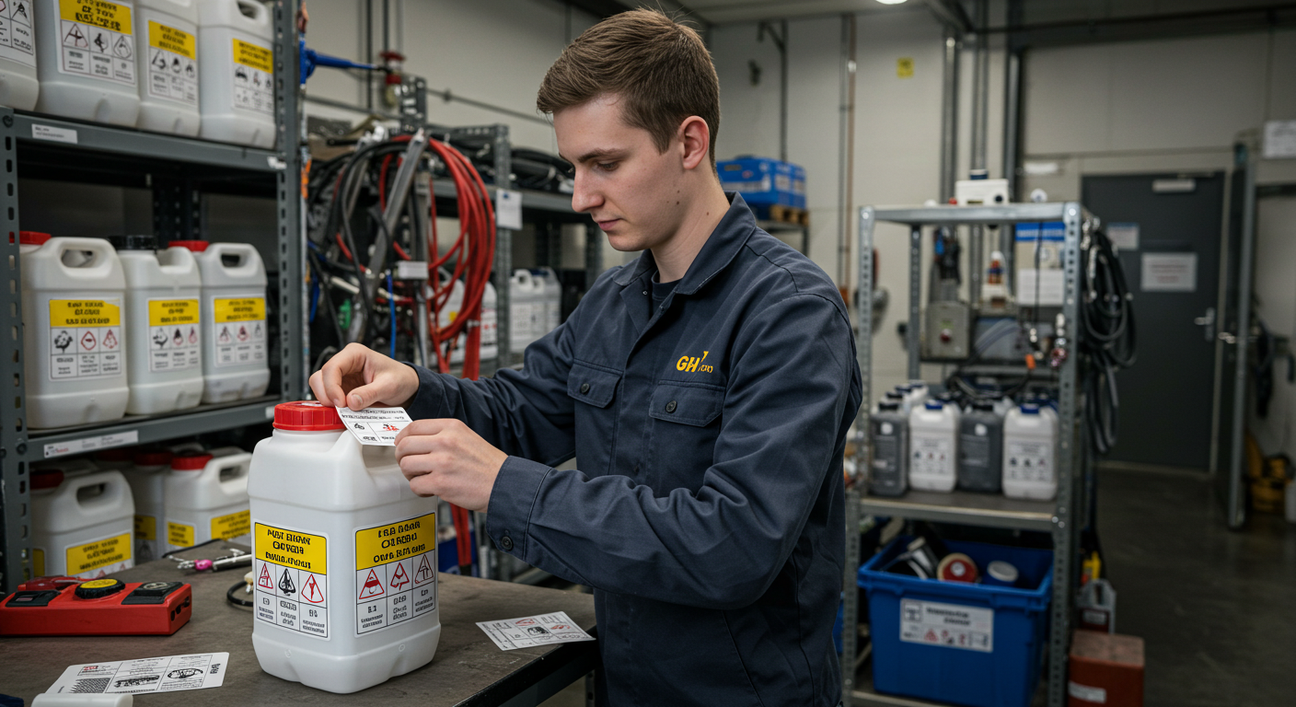
Proper labeling: Chemicals must have safety labels and SDS (Safety Data Sheets).
Safe storage and disposal: Containers must be sealed and stored in controlled areas.
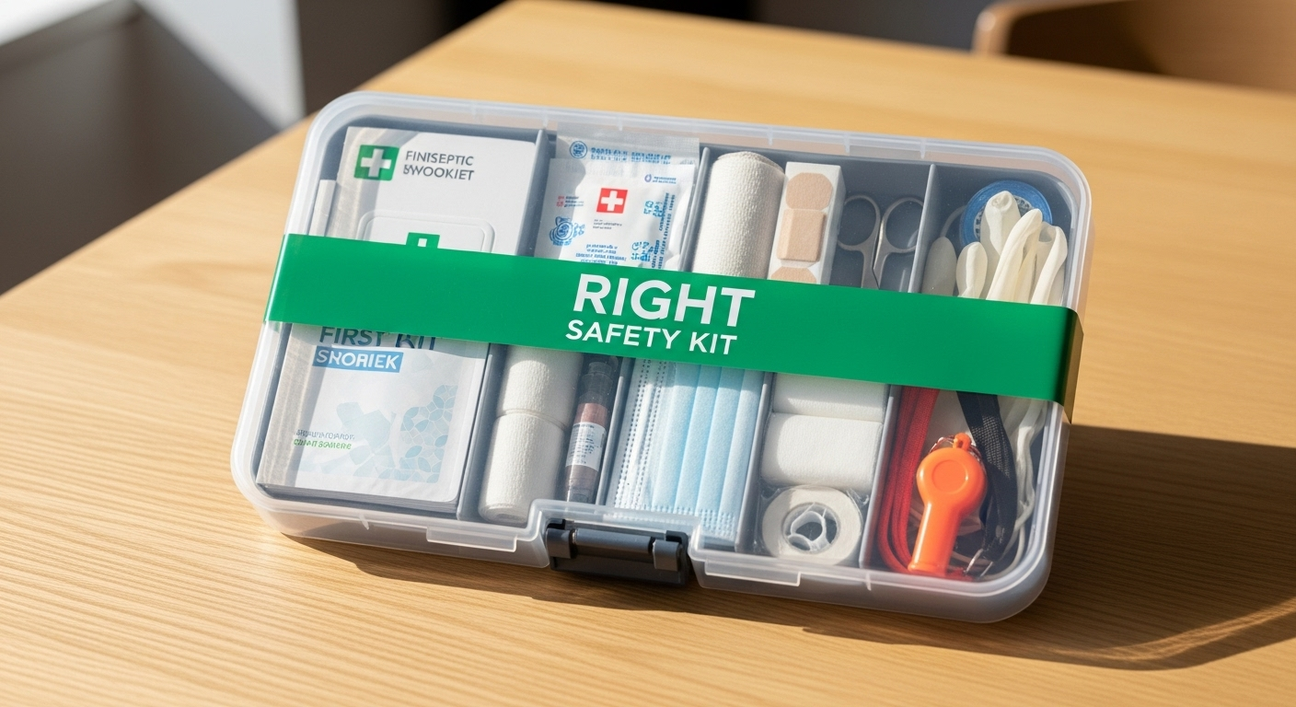
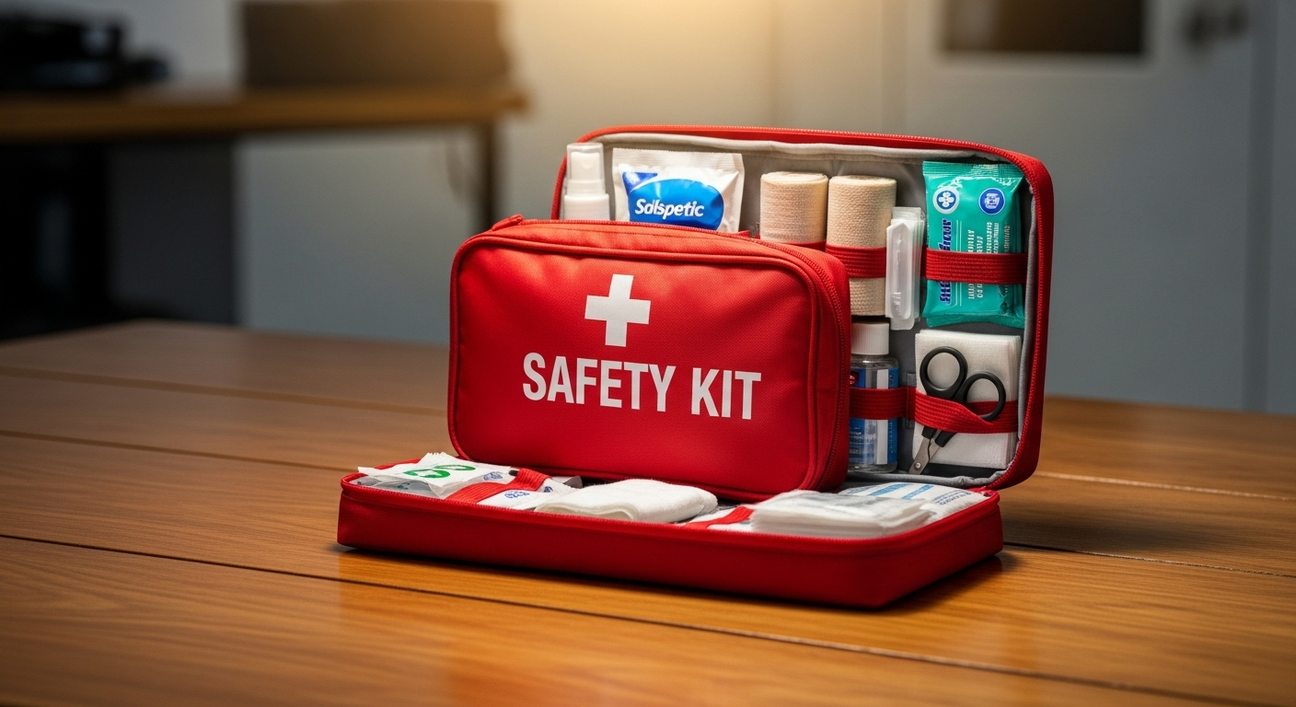
Emergency procedures: Clear protocols for spills, exposure, and first-aid response.
Following workplace compliance laws regarding chemical handling protects both employees and the environment.
Electrical Safety Standards
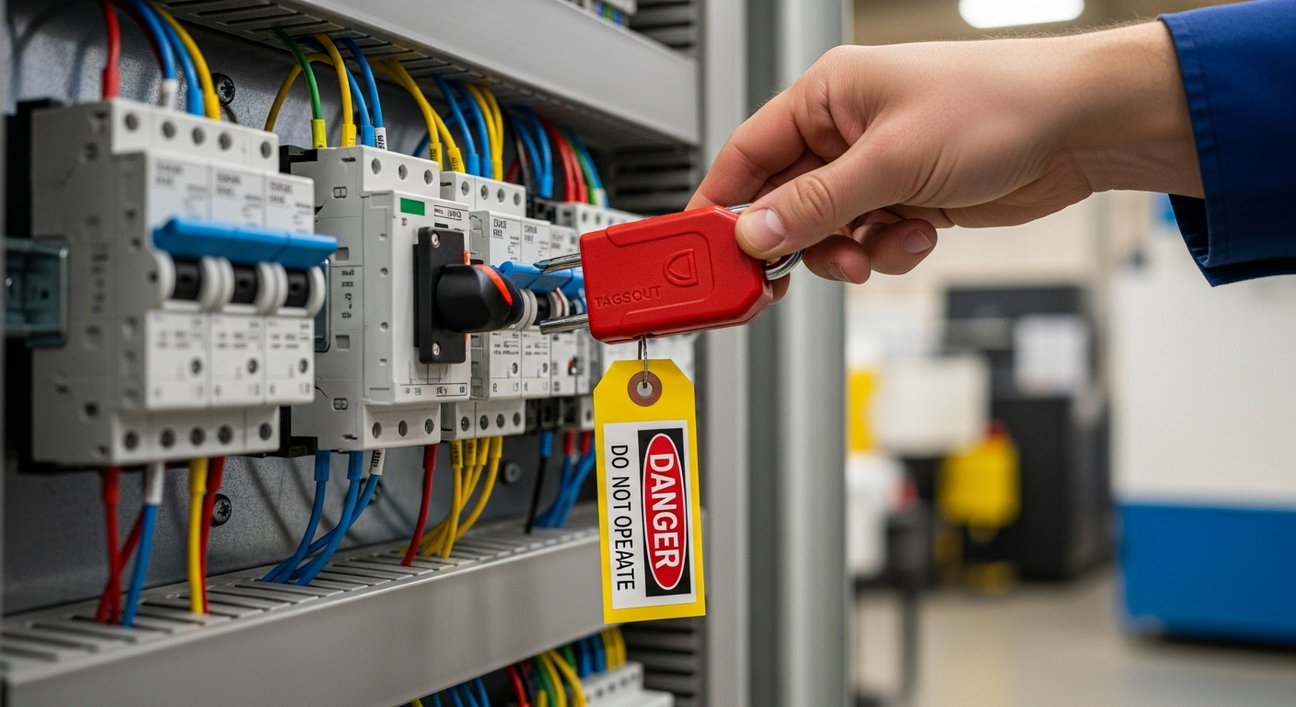
Electrical hazards can lead to serious injuries or fires. Compliance involves:
Proper wiring and grounding: Preventing shocks and electrical fires.
Routine inspections: Ensuring equipment is functioning safely.
Employee awareness: Training staff on safe handling of electrical systems.
These practices align with industrial safety regulations and reduce risks in high-voltage workplaces.
Fire Safety Regulations

Fire prevention and preparedness are critical components of industrial safety:
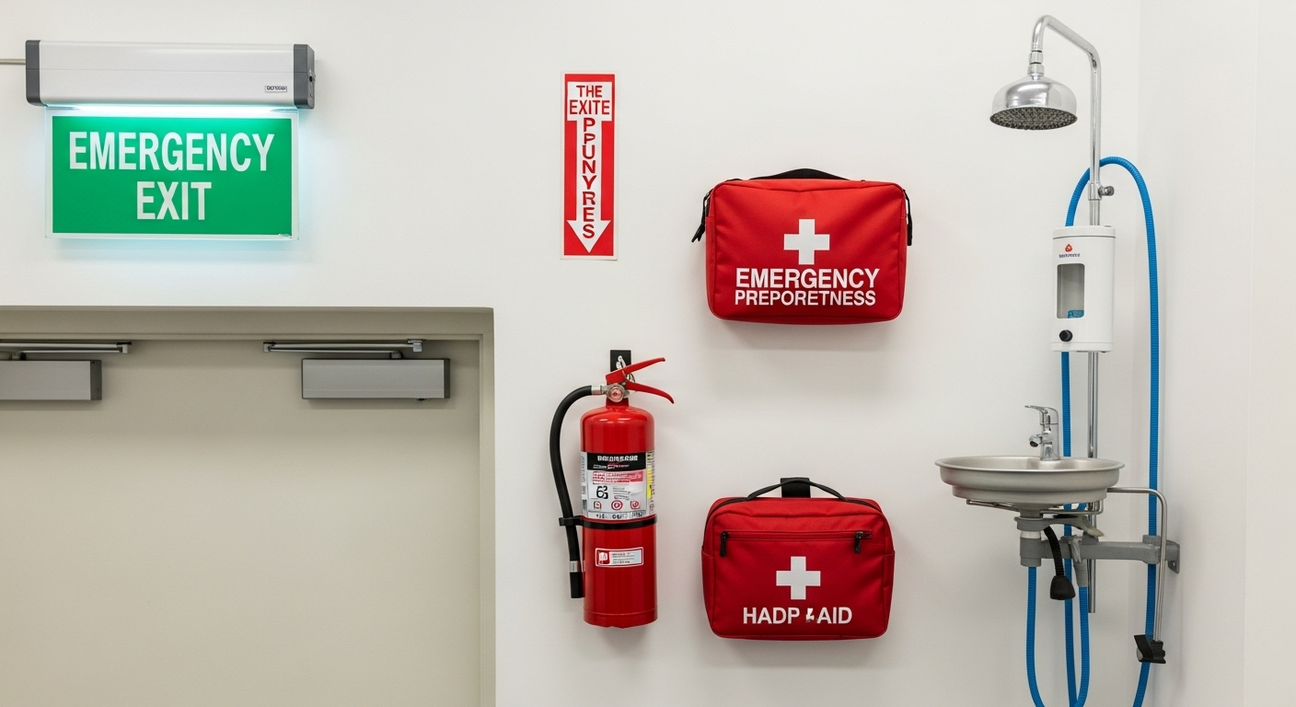
Fire detection and suppression: Installing alarms, sprinklers, and extinguishers.
Emergency exits: Clearly marked and unobstructed evacuation routes.
Regular drills: Practicing emergency evacuation and response plans.
Following these industrial safety standards ensures employees know how to respond quickly in case of a fire.
Fall Protection and Working at Heights
Falls are a leading cause of injuries in industrial settings. Safety measures include:
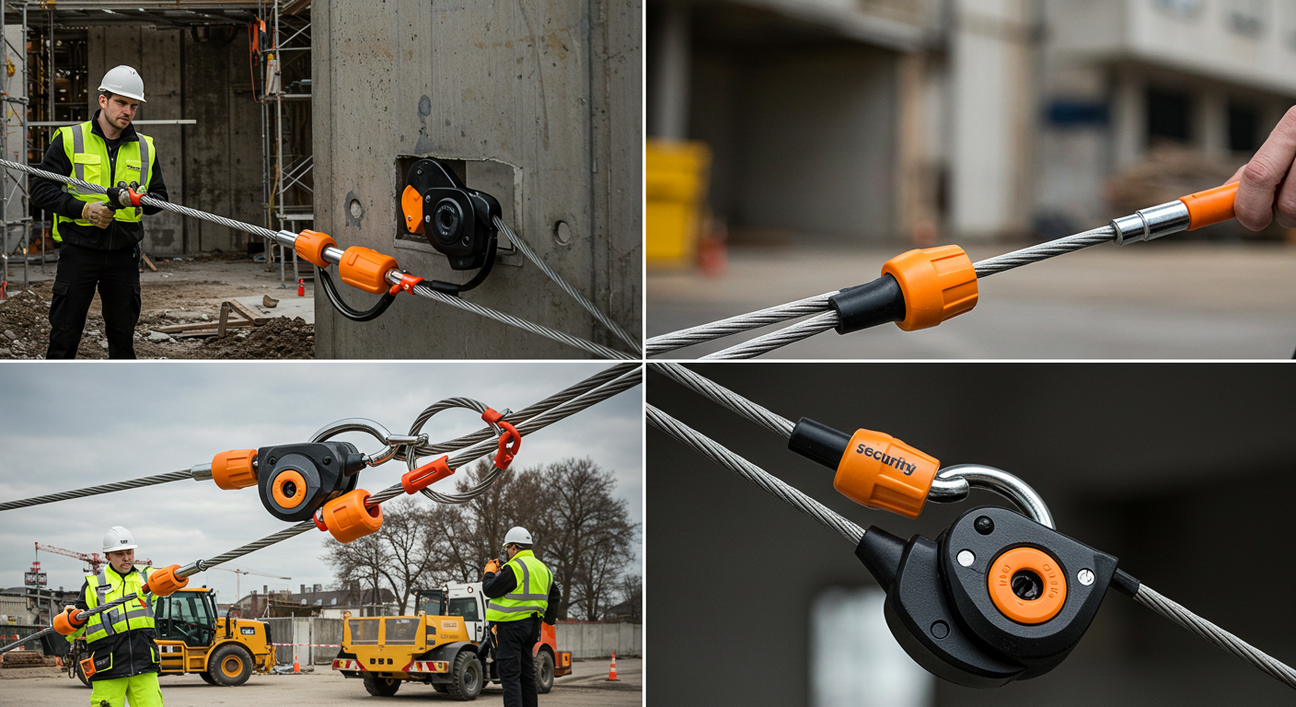
Harnesses and guardrails: Ensuring proper fall protection equipment is used.
Scaffolding inspections: Regular checks for stability and damage.
Training programs: Teaching workers how to operate safely at heights.
These measures are essential for workplace compliance laws and reducing workplace accidents.
Recordkeeping and Reporting Requirements
Maintaining accurate records is required under OSHA regulations:
Accident logs: Documenting incidents and near misses.
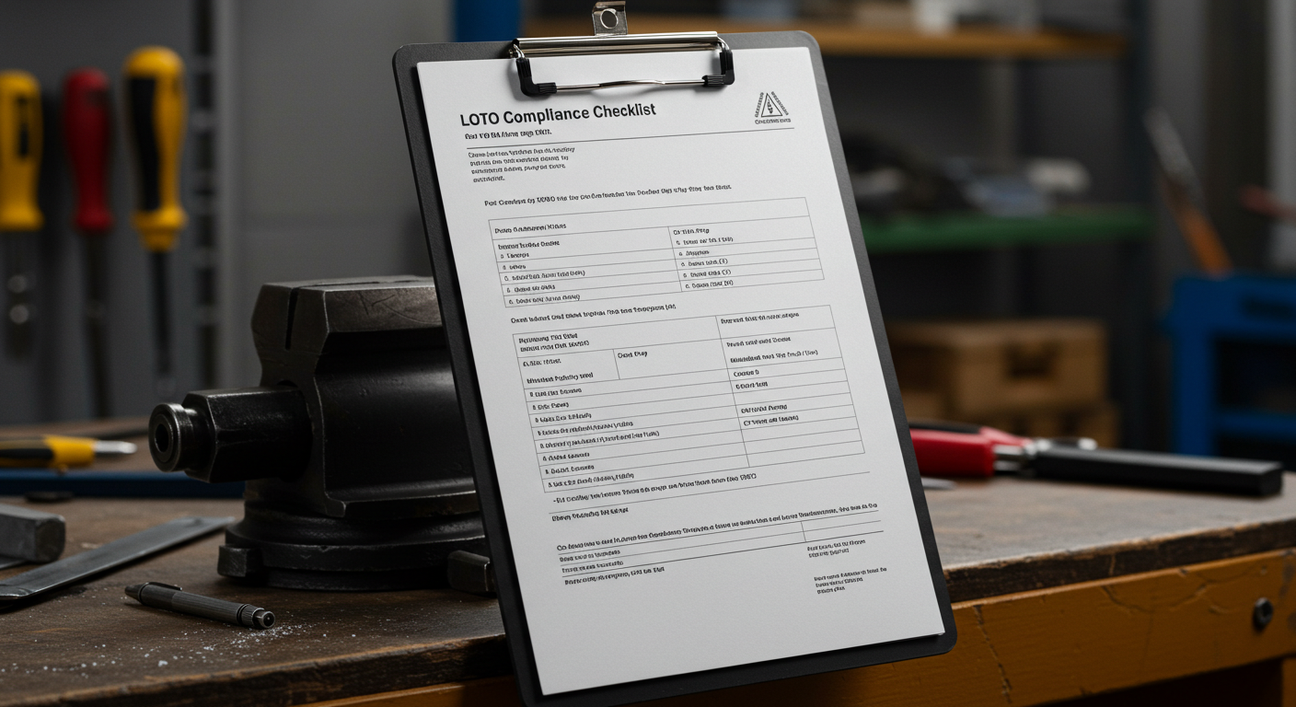
Inspection reports: Keeping track of equipment maintenance and safety checks.
Compliance audits: Regular reviews to ensure adherence to industrial safety standards.
Proper documentation demonstrates commitment to safety rules and is essential during inspections.
Safety Training and Education Compliance
Training ensures that employees understand hazards and follow safety procedures:
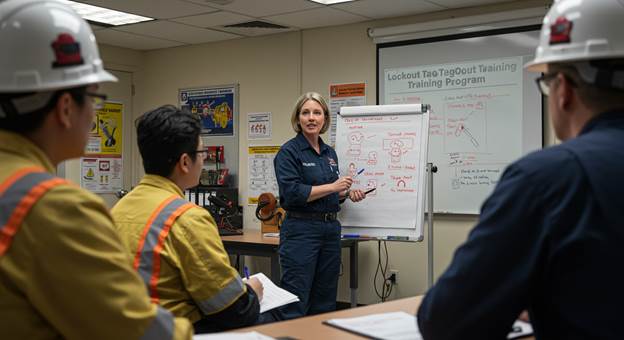
Orientation programs: Teaching new hires about workplace risks and protective equipment.
Refresher courses: Updating staff on new regulations and best practices.
Certification programs: Ensuring employees meet mandatory compliance requirements.
A well-trained workforce is key to industrial safety regulations and workplace accident prevention.
Ergonomics and Workplace Health Regulations
Ergonomic hazards can lead to long-term injuries. Compliance includes:
Workstation design: Adjustable chairs, desks, and proper posture support.
Repetitive task management: Rotating tasks to reduce strain.
Wellness programs: Supporting employee health and injury prevention.
These measures align with industrial safety standards and contribute to overall injury reduction.
Industry-Specific Safety Regulations
Different industries have unique hazards and regulations:
Manufacturing: Machinery operation, chemical exposure, and noise levels.
Construction: Falls, scaffolding safety, and PPE requirements.
Chemical and energy sectors: Hazardous material handling and emergency protocols.
Tailoring compliance strategies to your industry ensures adherence to OSHA regulations and workplace compliance laws.
Penalties for Non-Compliance
Ignoring safety regulations can result in:
Fines and citations from OSHA or local authorities
Legal consequences, including lawsuits from injured employees
Increased insurance premiums and damage to company reputation
Adhering to industrial safety regulations avoids these penalties and promotes a safer work environment.
Benefits of Staying Compliant
Companies that prioritize safety enjoy multiple benefits:
Reduced accidents and injuries: Lower employee absenteeism and medical costs.
Financial savings: Fewer fines and reduced insurance premiums.
Improved employee morale: Workers feel safer and more valued.
Enhanced reputation: Demonstrating compliance can attract clients and talent.
Following safety rules and industrial safety standards pays off in both safety and business growth.
Emerging Trends in Safety Regulations
Industrial safety is evolving with technology and innovation:
Digital compliance tools: Apps and software to track inspections and training.
Wearable safety tech: Monitors worker exposure and movement in real-time.
Updated OSHA standards: Companies must stay current to avoid penalties.
Adopting these trends helps facilities stay ahead in workplace compliance laws and proactive safety management.
Conclusion

Understanding and following industrial safety regulations is crucial for every business. Compliance with OSHA regulations, adherence to safety rules, and implementation of industrial safety standards prevent accidents, protect employees, and safeguard your business.
By prioritizing workplace compliance laws and training staff, companies can achieve long-term injury reduction while maintaining a productive and safe work environment. Resources from trusted suppliers like Archford make it easier to implement comprehensive safety programs and stay compliant every day.
FAQs
What are industrial safety regulations?
They are laws and guidelines designed to protect employees from workplace hazards and ensure safe working conditions.
Why is compliance with OSHA regulations important?
Following OSHA regulations helps prevent accidents, reduces legal liability, and ensures the workplace meets required safety standards.
What are common workplace safety rules businesses must follow?
Providing PPE, maintaining hazard-free areas, proper labeling, regular equipment inspections, and employee training are key rules.
How do industrial safety standards help reduce accidents?
They provide structured guidelines for safe operations, risk management, and emergency preparedness, minimizing the likelihood of injuries.
What are the consequences of non-compliance?
Non-compliance can lead to fines, legal action, higher insurance costs, and damage to company reputation.