

How to Label Equipment Safely with Industrial Tags
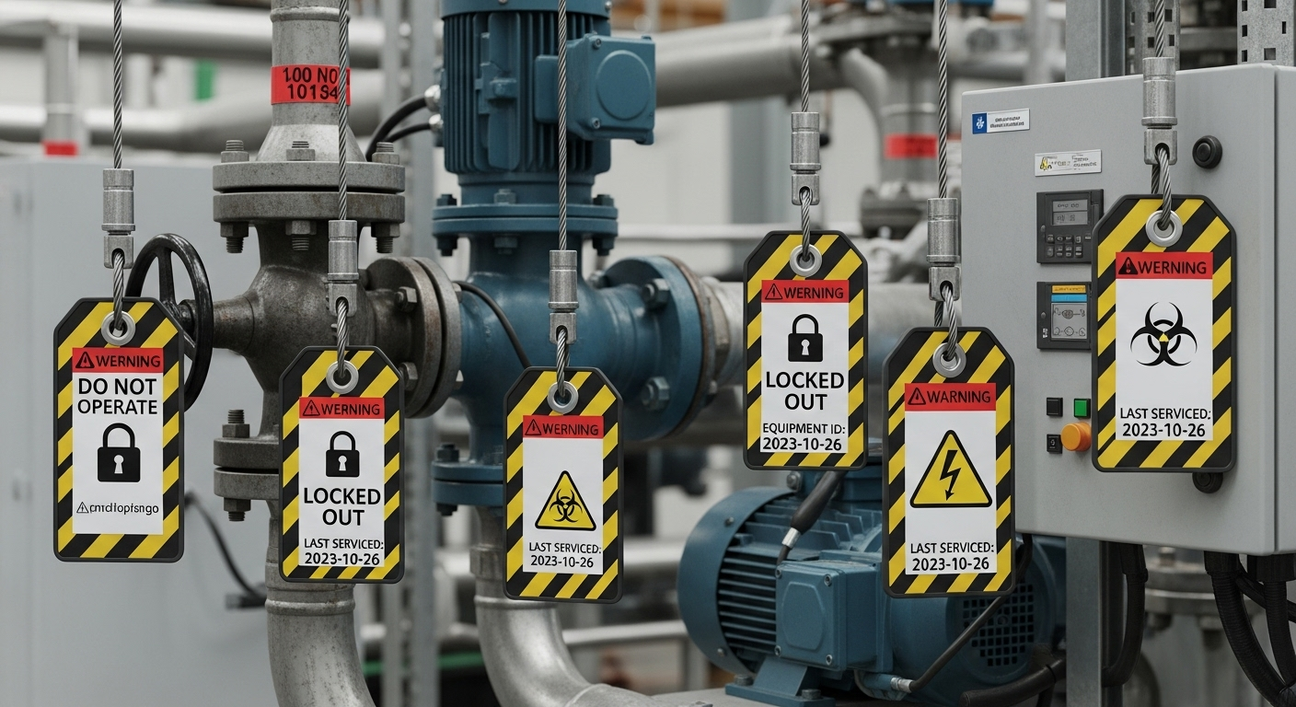
Labeling equipment the right way is one of the easiest ways to keep a workplace safe. When machines, tools, and areas are marked with clear tags, workers know what to do, what to avoid, and how to stay safe. Many accidents happen because a machine was not marked, or the tag was missing or damaged. This is why good industrial tags matter so much.
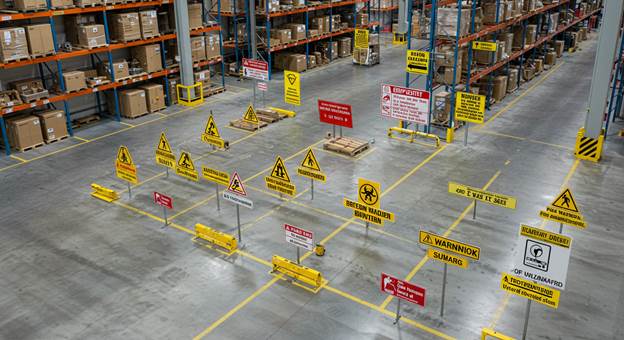
In this guide, you’ll learn what tags to use, how to place them, what mistakes to avoid, and how to build a simple tagging system that works in busy places like warehouses, plants, and workshops.
What Are Industrial Tags?
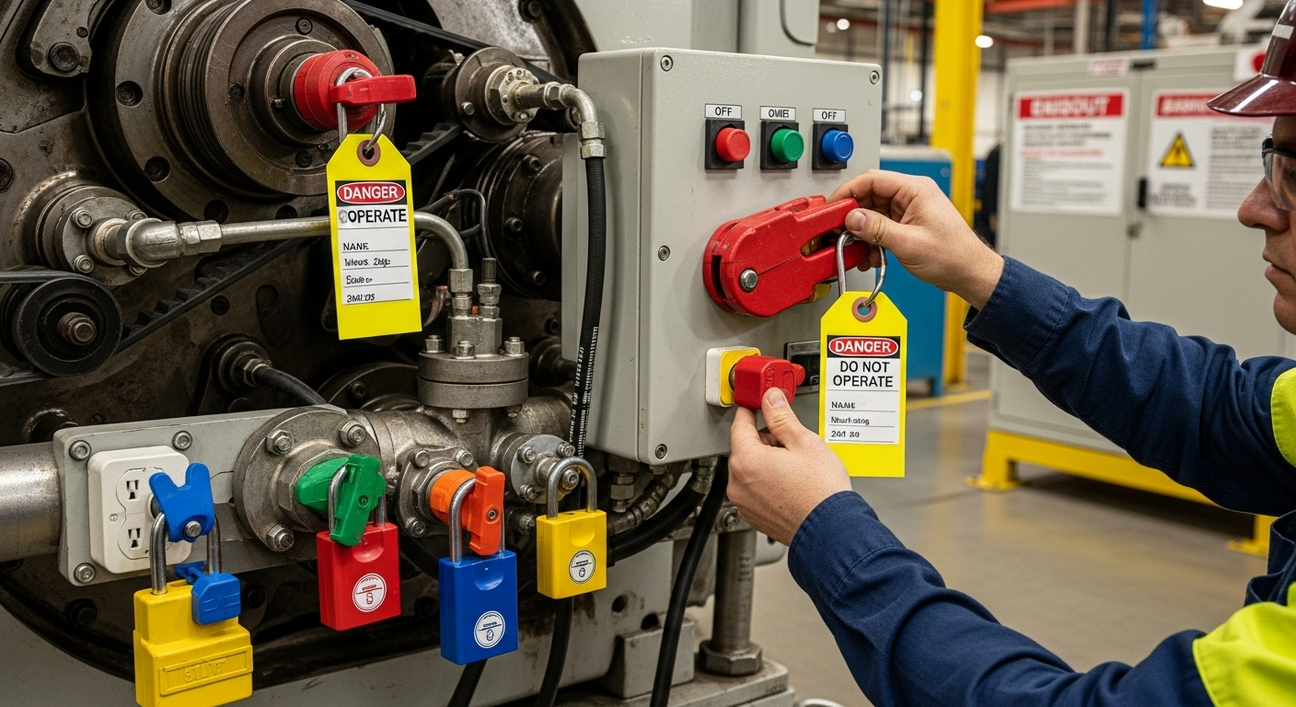
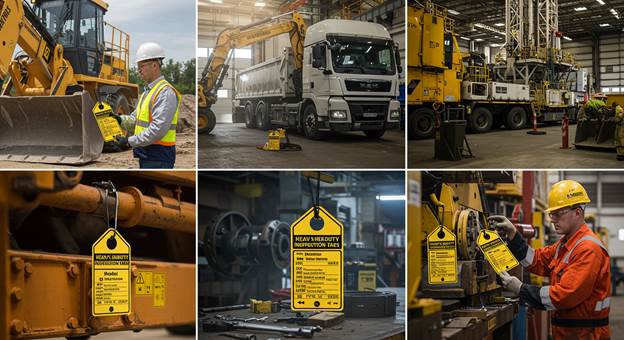
Industrial tags are strong, simple tags made to handle heat, dust, water, and heavy use. They are not like normal paper tags. These tags stay in place even when machines shake or when the workplace gets rough.
You will find industrial tags on:
Motors
Valves
Switches
Control panels
Storage racks
Tools
Heavy machines
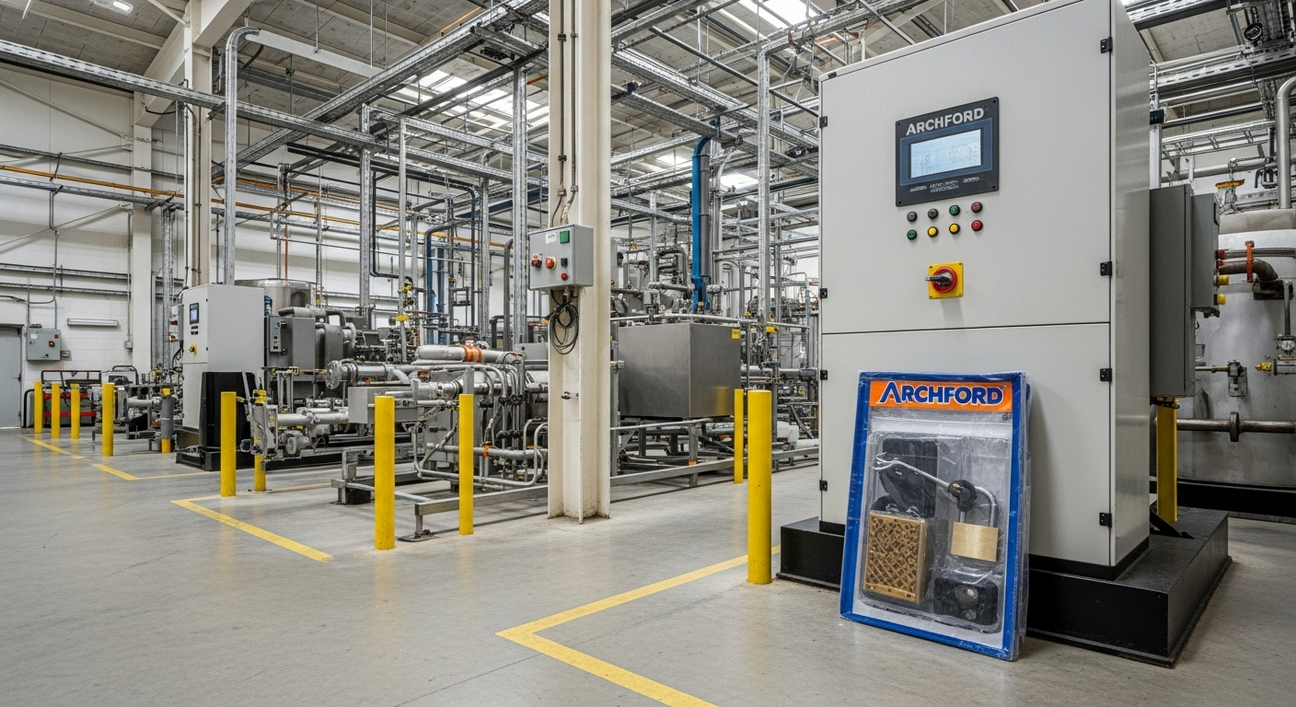
Tags help workers understand what a machine does and what they should watch out for. They are built to last much longer than normal tags, which is why many teams rely on brands like Archford for quality tagging products.
Why Safe Labeling Matters
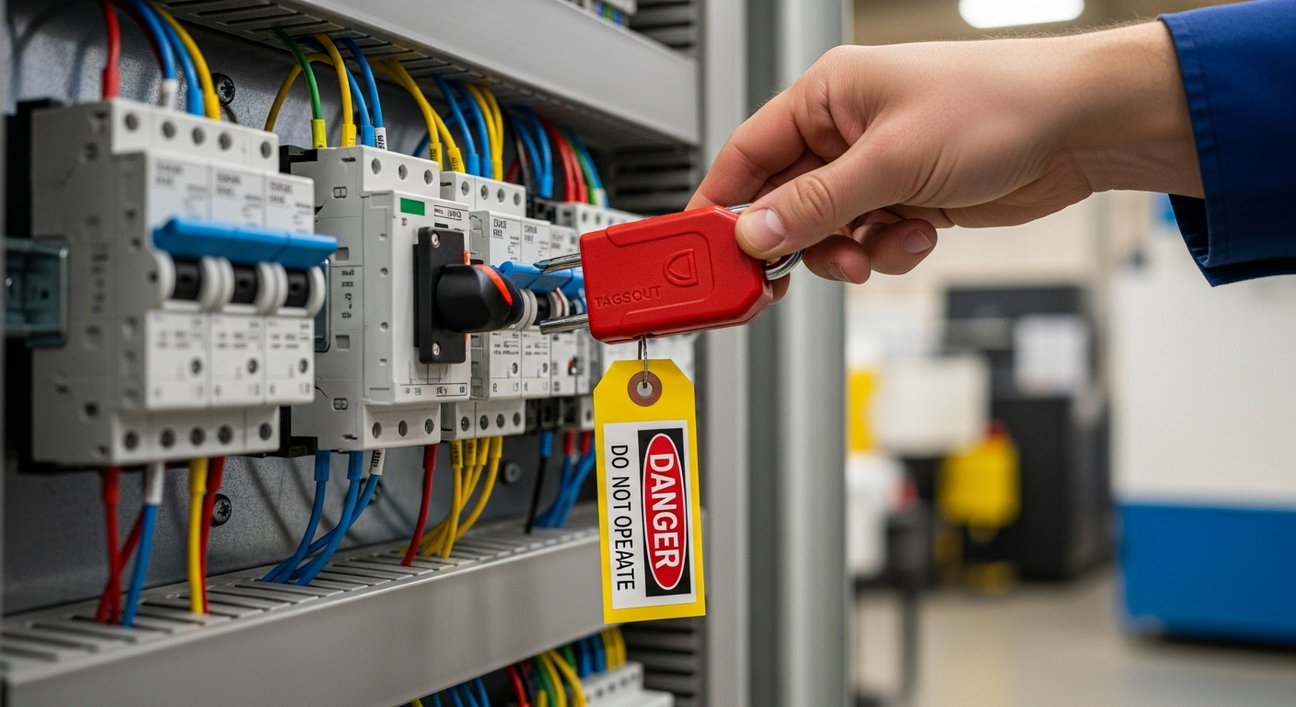
Safe equipment labeling is important because it keeps people away from danger. When a worker walks up to a machine and sees a tag that says “Do Not Touch” or “Under Maintenance,” they know to be careful. This simple step helps prevent injuries.
Good tagging also:
Cuts down on confusion
Makes daily work smoother
Helps new workers learn faster
Reduces downtime
Supports safety rules
Clear tags protect both the workers and the workplace.
What Makes a Good Equipment Label
Not all tags work the same. A good label needs to be very easy to read. The text should be short and clean. Workers should understand it in one second.
A strong tag also uses the right material. In places with heat, dust, or chemicals, you need durable tags that won’t fade or break.
A good label should have:
Short, simple wording
Bright colors
Strong material
A readable font
A clear place to attach
Space for notes or dates
When all of this is done right, tagging becomes simple and effective.
Types of Industrial Tags You Can Use

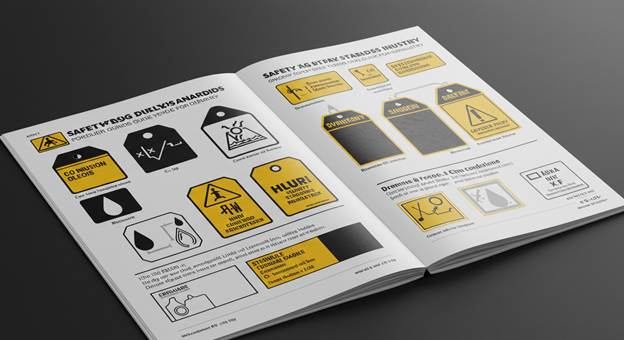
Many kinds of industrial tags are used for different jobs. Here are the most common ones:
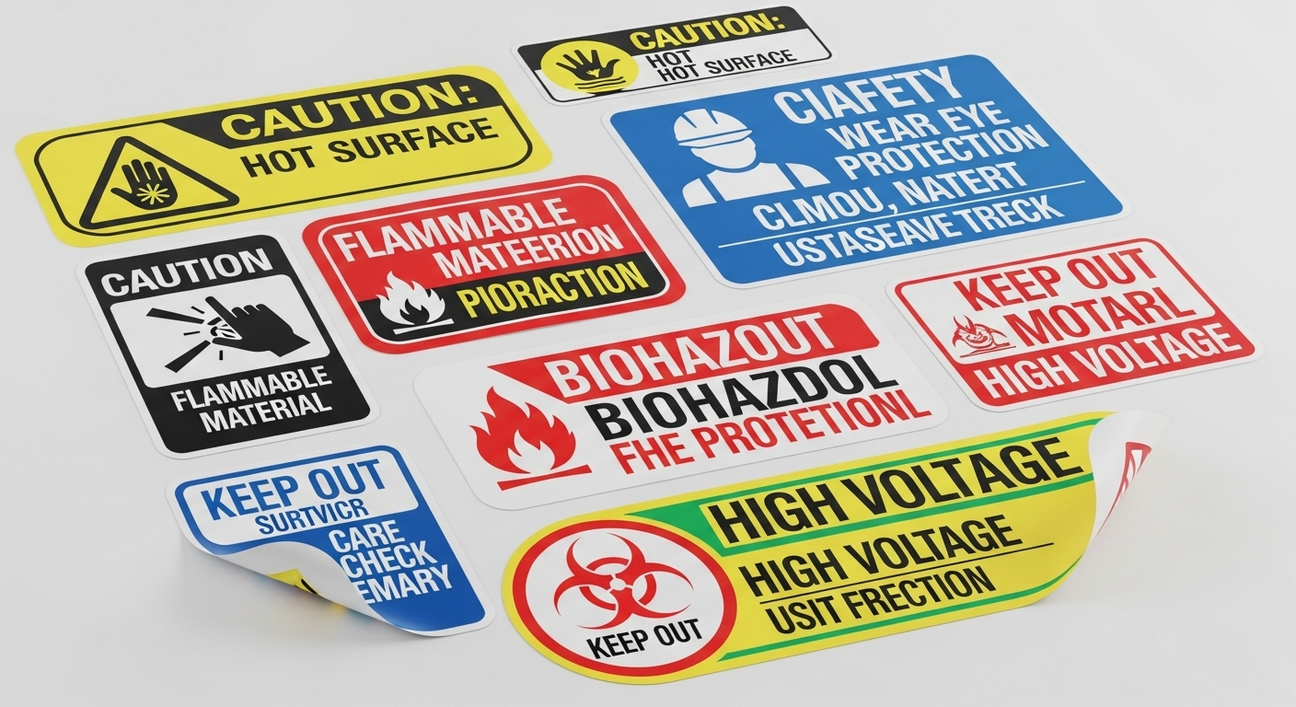
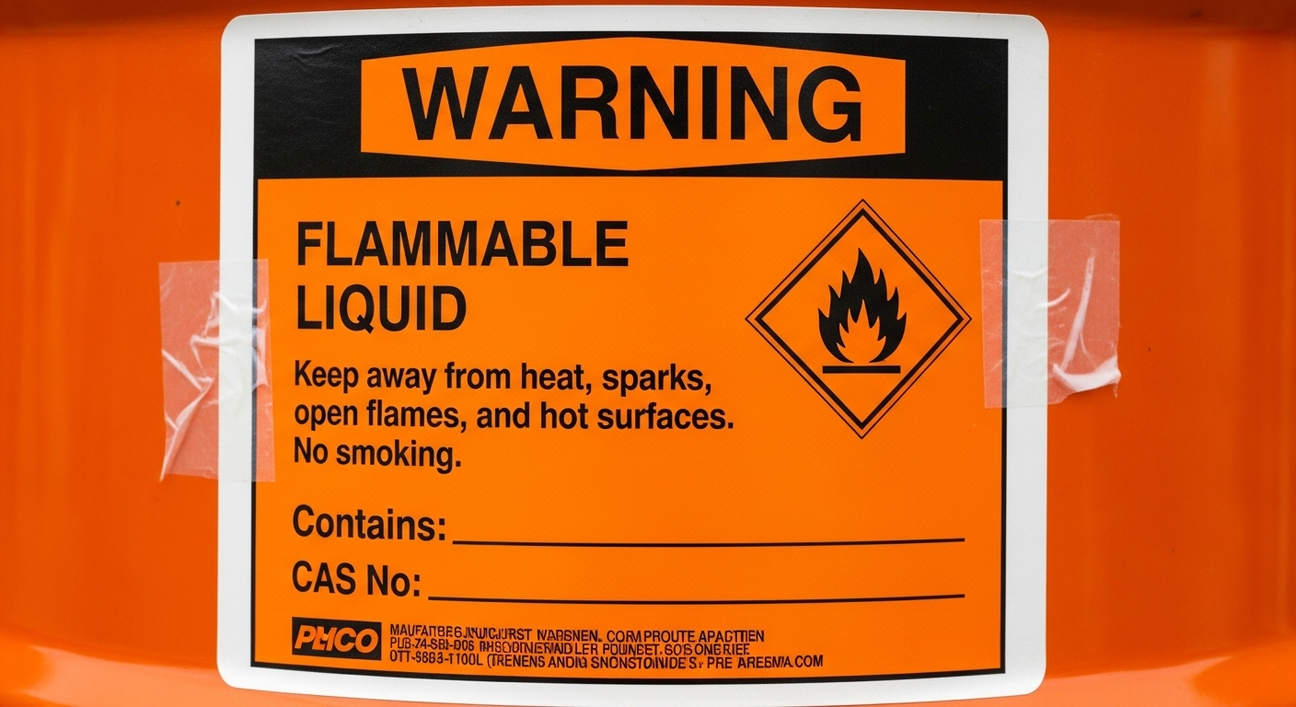
Safety tags
These warn workers about risks. For example:
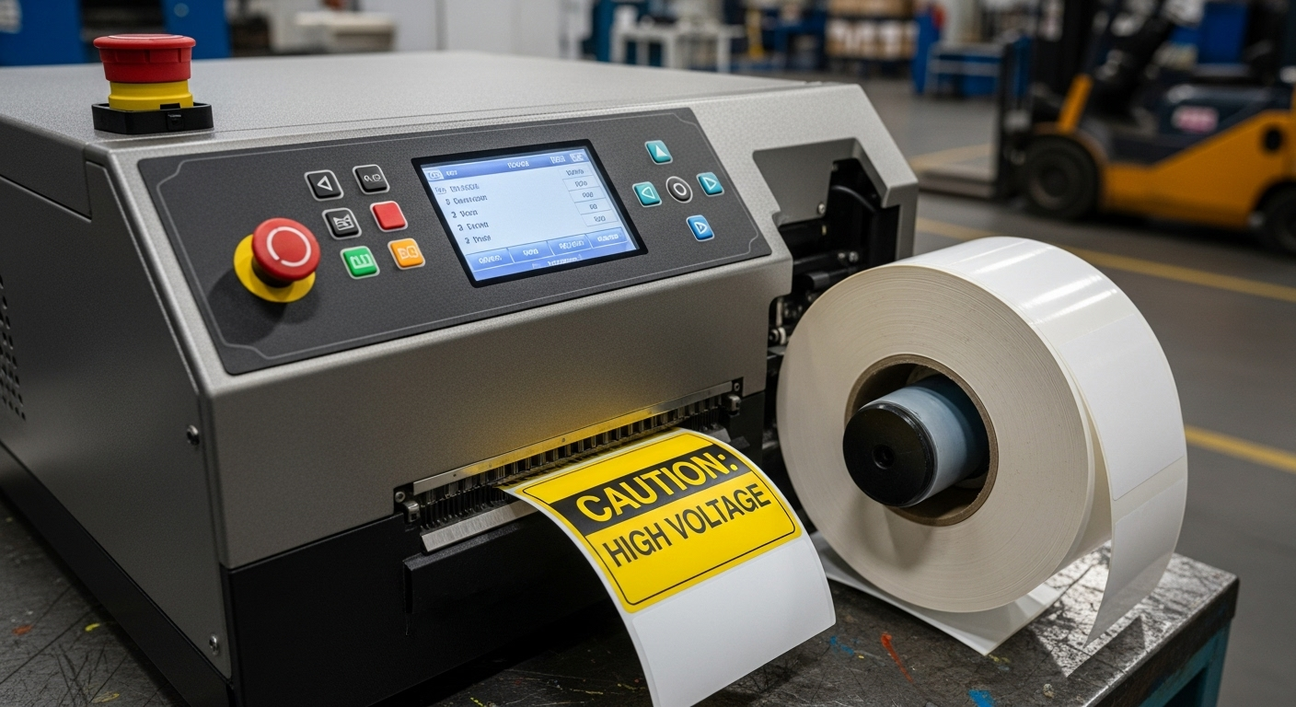
“High Voltage”
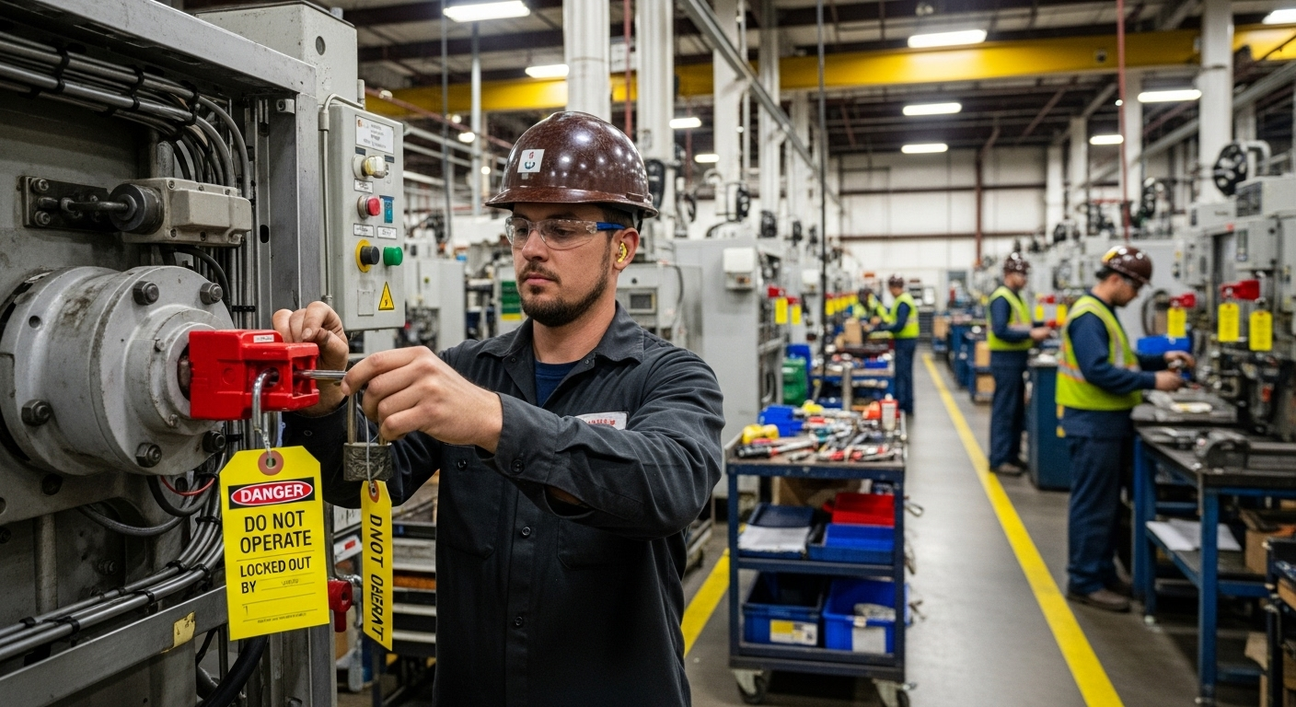
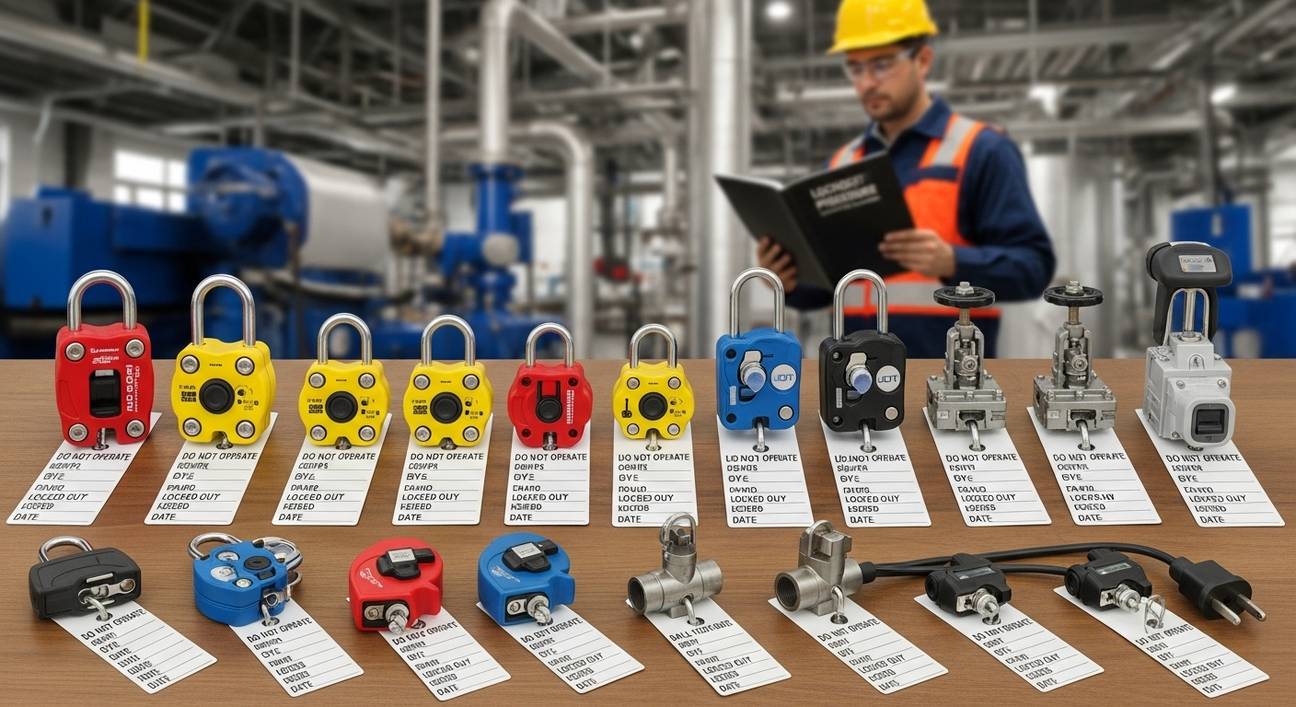
“Do Not Operate”
“Hot Surface”
Maintenance tags
These show when a machine is being fixed or checked.
Inspection tags
These help track how often a machine is inspected.
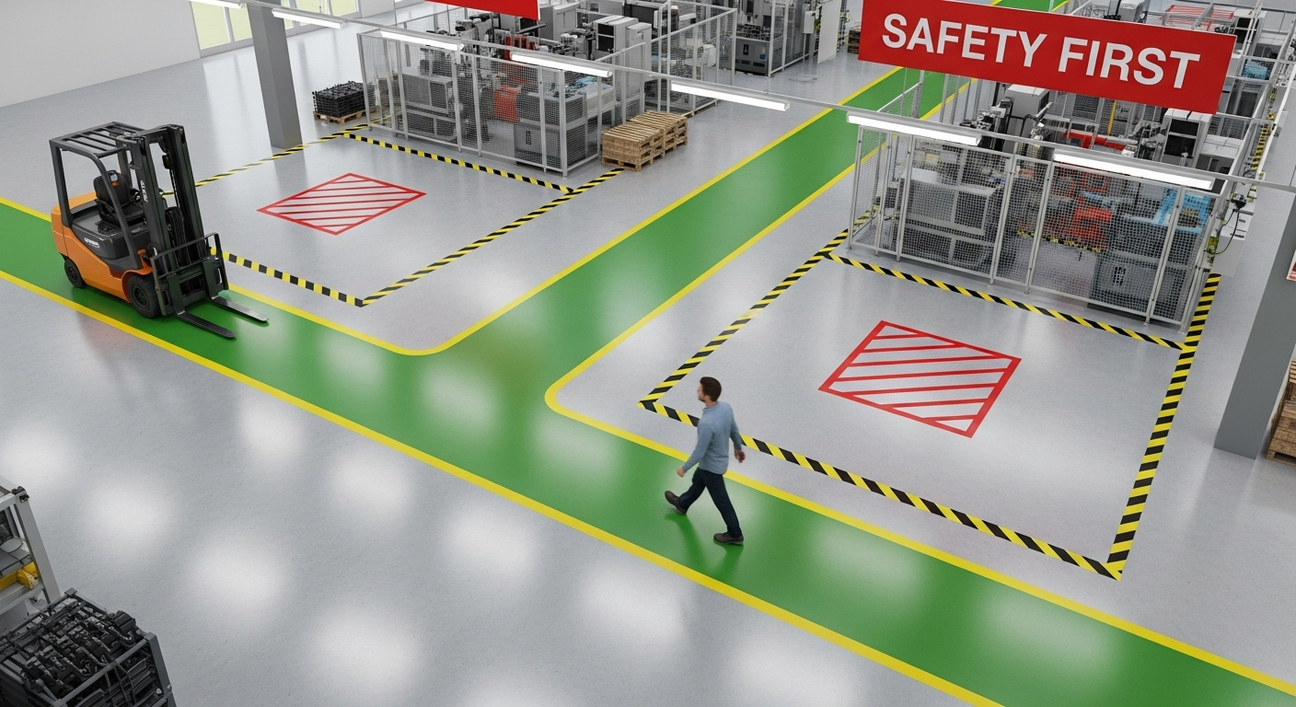
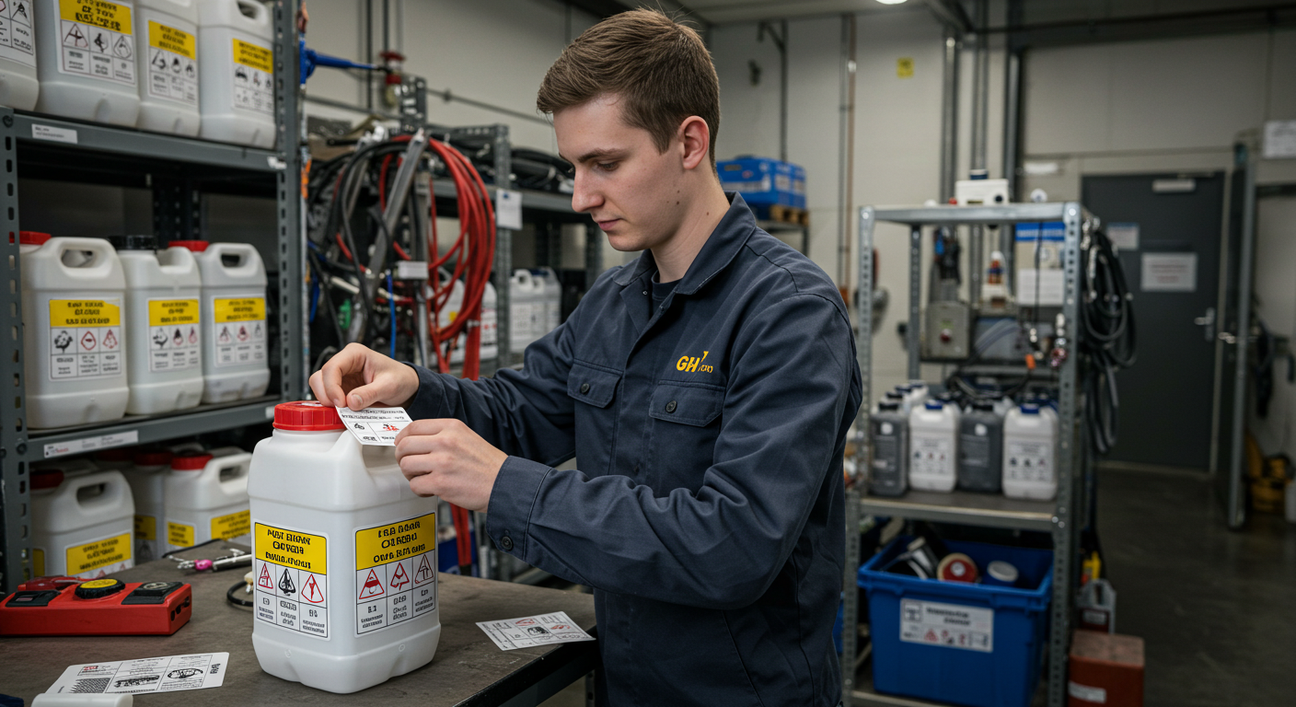
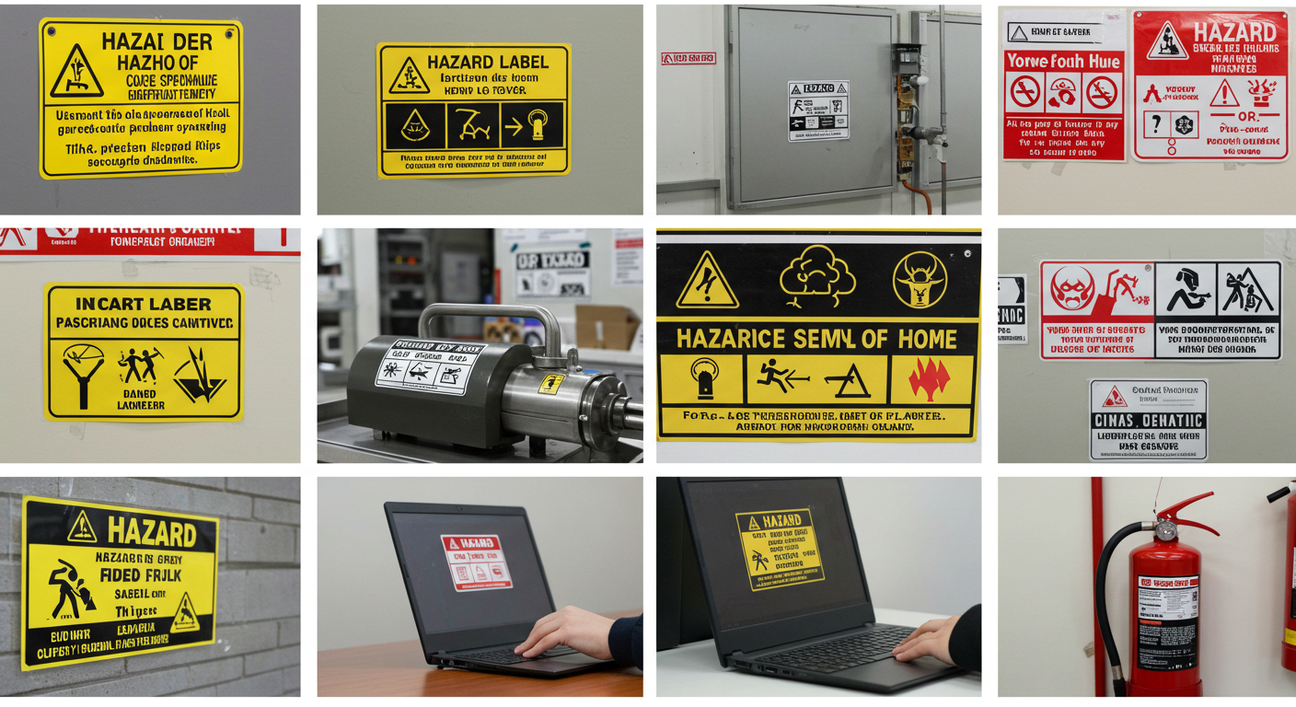
Hazard tags
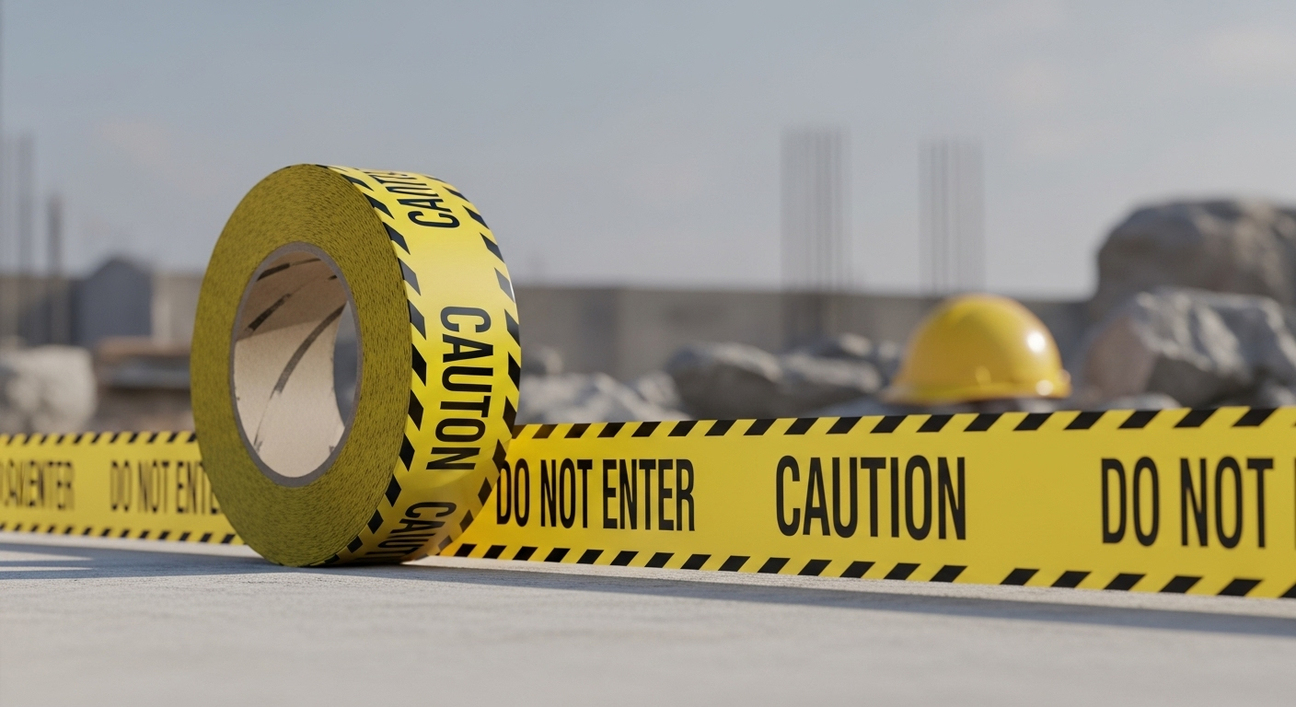
These show danger zones like chemical areas or places with moving parts.
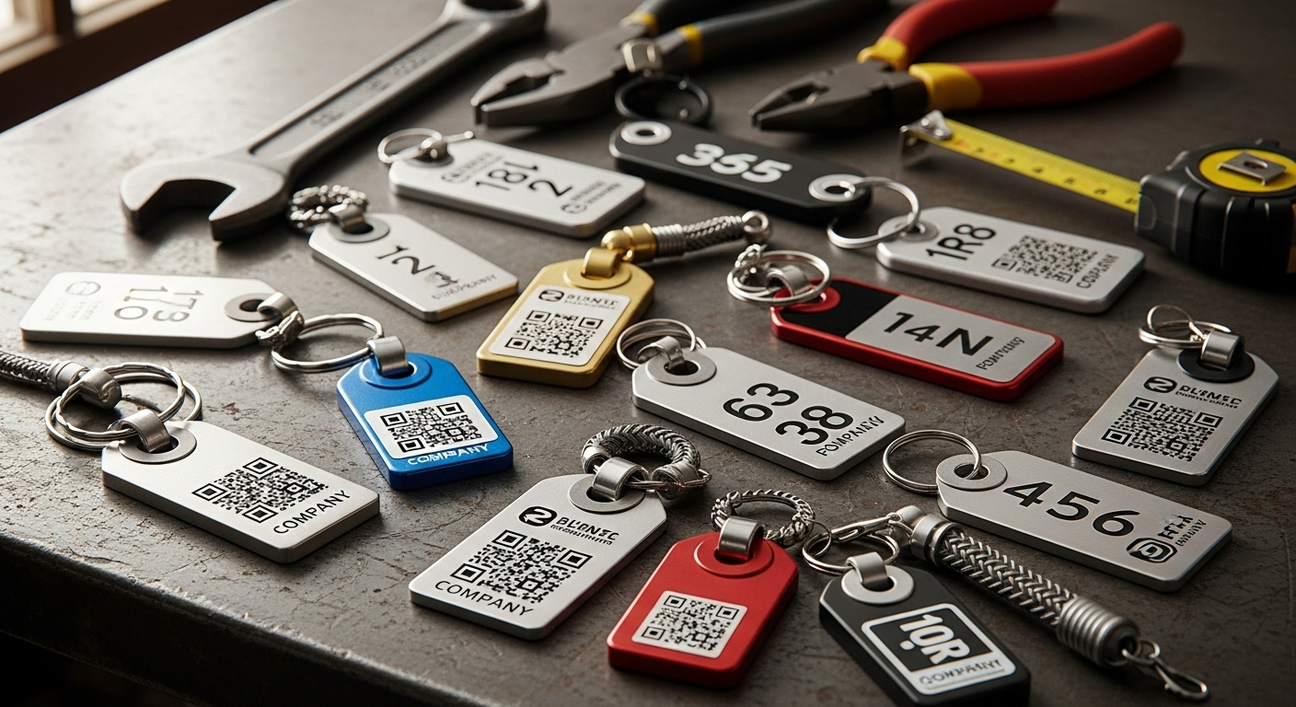
Asset identification tags
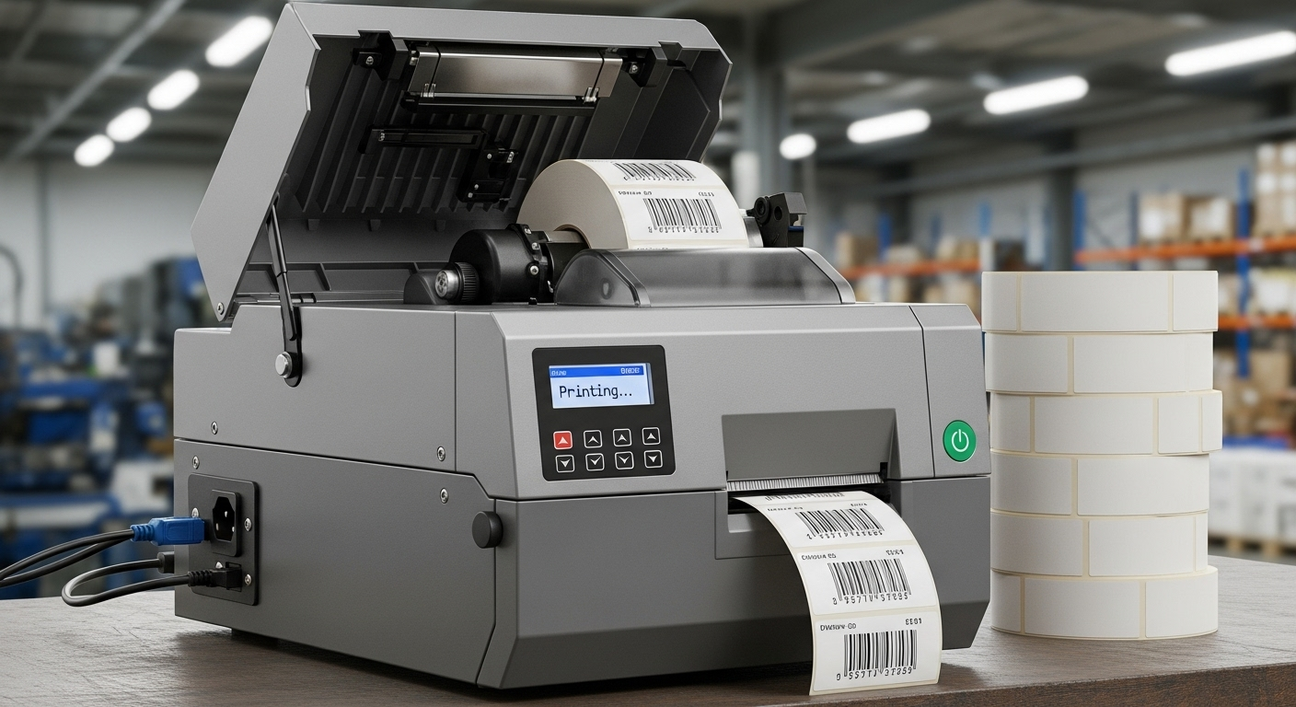
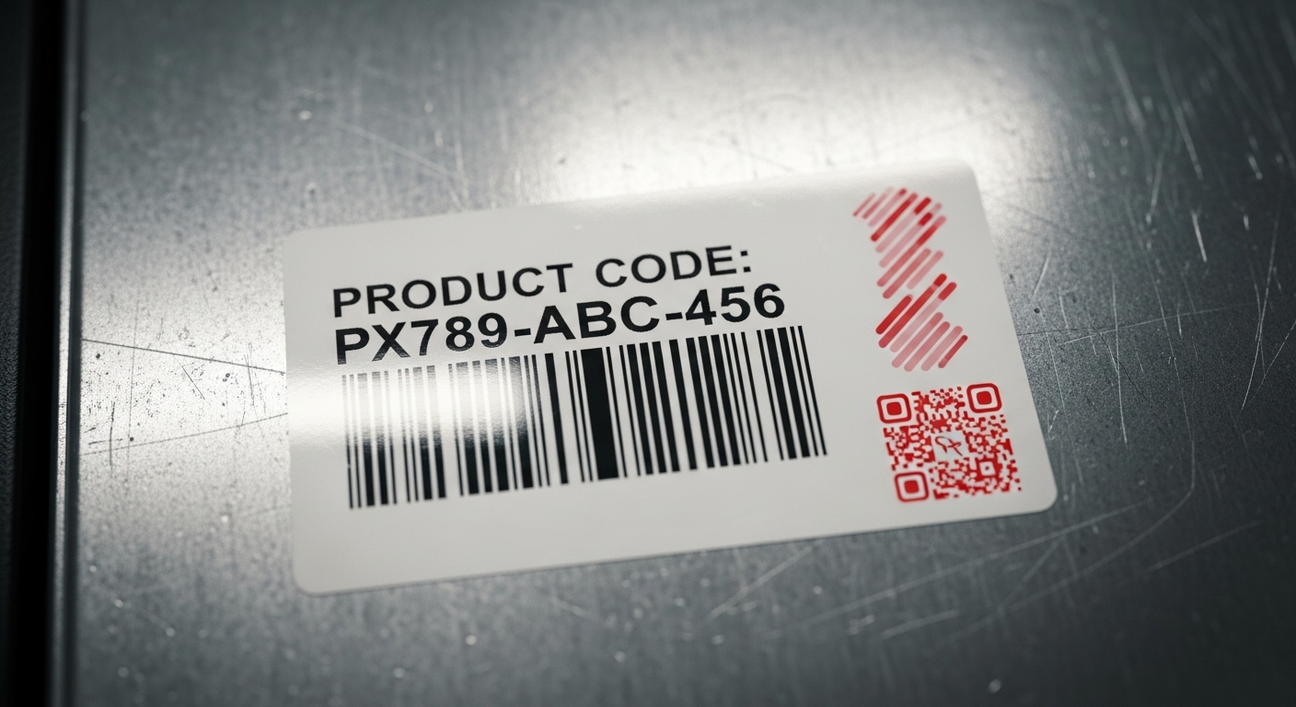
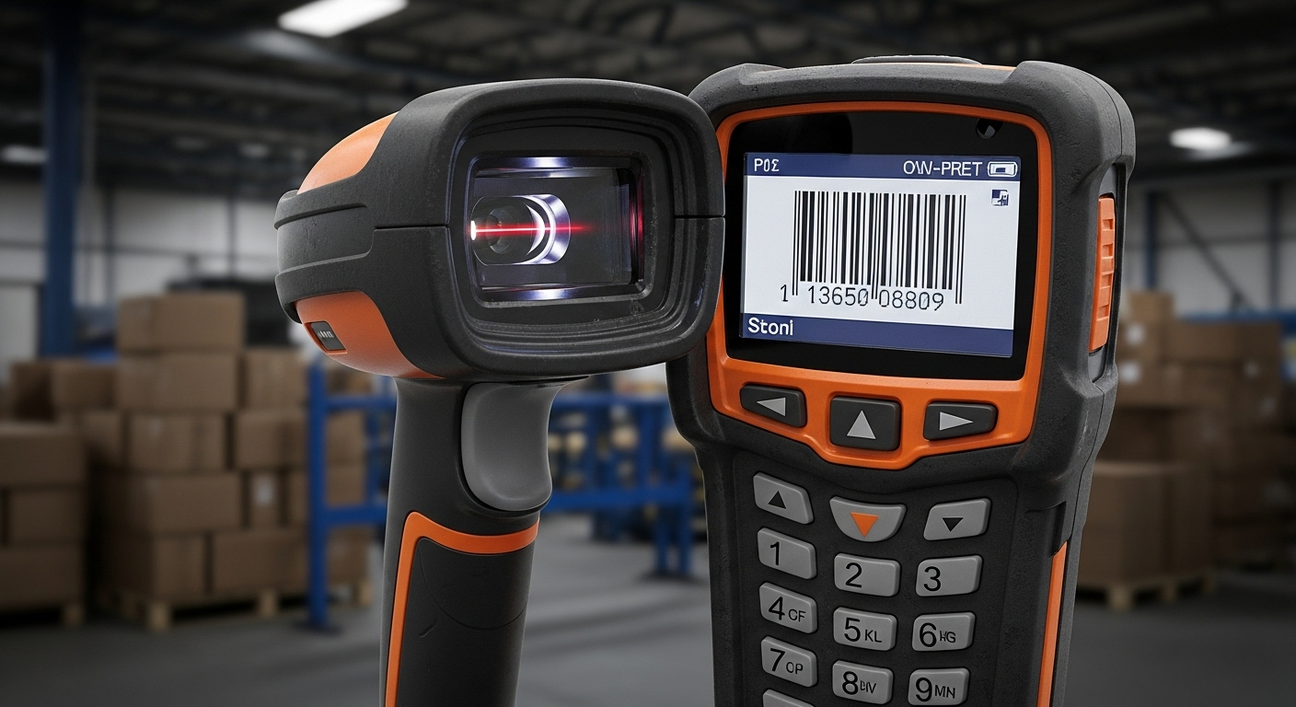
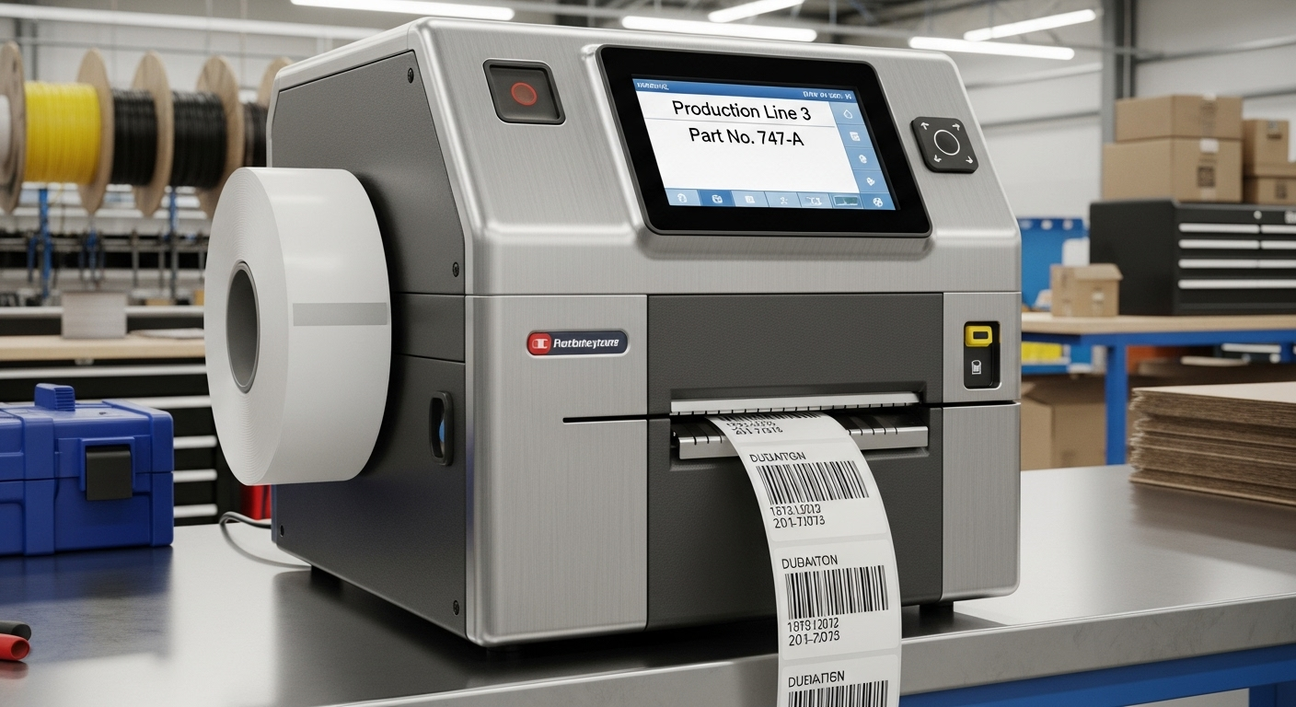
These tags help teams track tools, machines, and parts. They often have numbers or barcodes.
Each tag has its own job. Using the right tag makes work safer and more organized.
Step-by-Step Guide to Tagging Equipment Safely
Here is a simple system any team can follow:
Step 1: Check the machine
Look at the machine and see what info workers need. Is it safe? Is it hot? Does it need repairs? This helps you pick the right tag.
Step 2: Pick the right tag
Use safety tags for warnings, asset identification tags for tracking, and maintenance tags for repairs.
Step 3: Write simple text
Workers should understand it fast. Keep it short.
Step 4: Place the tag in a clear spot
Do not hide the tag. Place it where a worker will see it first.
Step 5: Check the tag
Make sure it is clean, correct, and firmly attached.
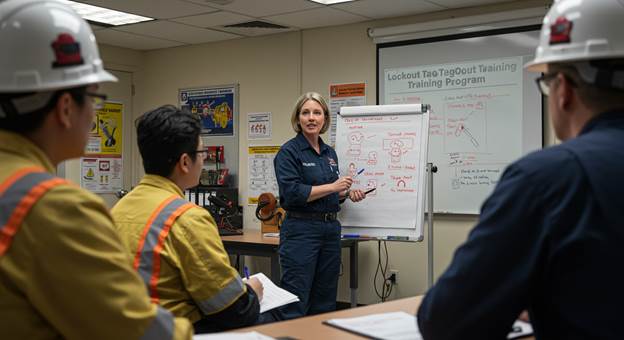
Step 6: Train the team
Workers must know what each tag color and shape means.
This simple system makes tagging smooth and safe.
Best Materials for Industrial Tags
Different workplaces need different tag materials. Here are the best options:
Plastic tags
Good for everyday use. They are water-proof and easy to clean.
Metal tags
These are very strong. They work well for hot or outdoor areas.
Laminated tags
Good for places with dust, dirt, or grease.
Heat-resistant or chemical-proof tags
Used in plants where temperatures are high or chemicals are common.
Using the right material makes sure the tag lasts a long time. Damaged tags can cause mistakes, so picking a strong tag is always better.
Common Labeling Mistakes to Avoid
Many workplaces make simple errors when tagging machines. Here are the most common mistakes:
Tiny text
Small writing is hard to read, especially in dark or busy places.
Wrong tag material
Using weak tags that fade or tear makes the information useless.
Hiding tags
Tags placed behind a panel or under a machine won’t help anyone.
Skipping updates
Old tags with wrong dates or old info can mislead workers.
Mixing too many tag types
A messy tagging system confuses workers. Keep it simple.
Avoiding these mistakes reduces industrial safety risks.
Safety Tips for Busy Work Areas
Busy workplaces need extra care. Here are some helpful safety tips:
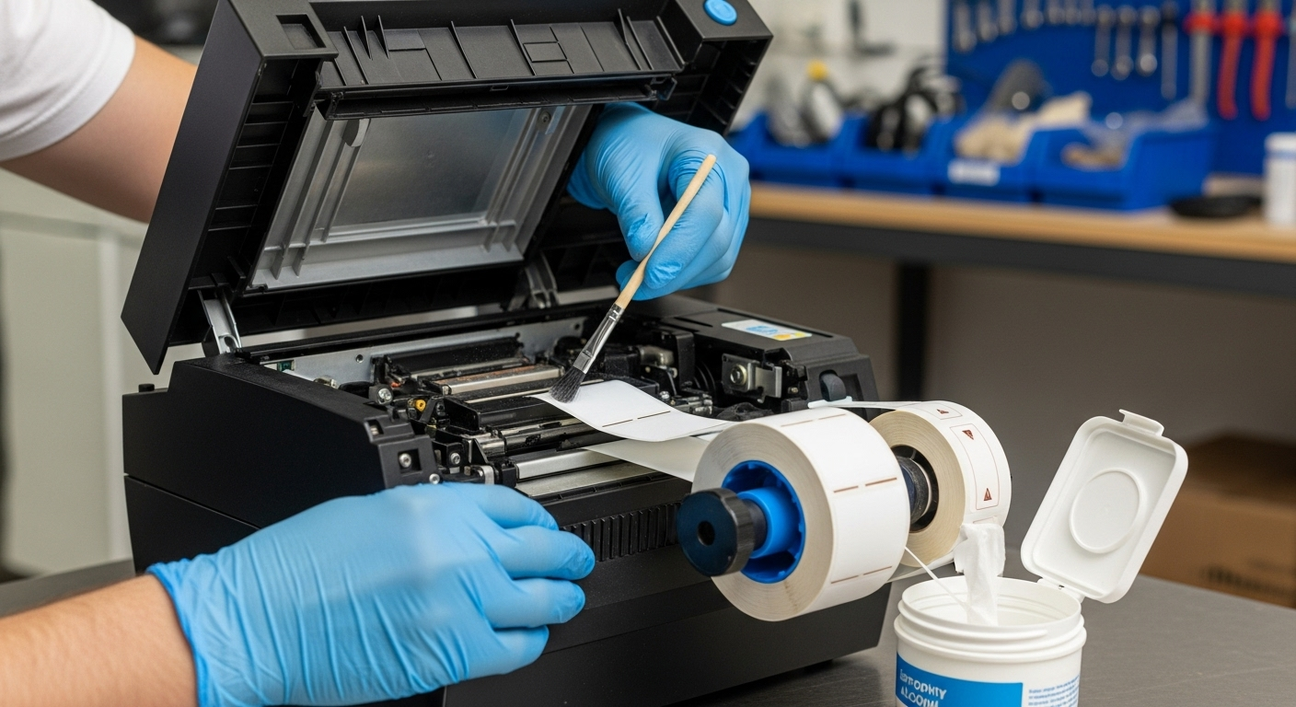
Wipe tags clean so they stay readable
Replace broken or faded tags right away
Keep all tag colors the same in every department
Train every worker on tag meanings
Use cable ties to attach tags firmly
Keep extra tags and tools ready for fast tagging
Brands like Archford offer tag holders and tools that help keep everything neat and safe.
How Industrial Tags Support Safety Programs
Tags are a big part of workplace safety plans. They help teams follow rules for inspections, maintenance, and hazard checks. When all machines have clear tags, inspectors can work faster, and workers feel more confident.
Tags support:
Audits
Maintenance records
Training programs
Safety reports
A strong tagging system makes the whole safety program stronger.
Tools and Supplies You Need for Good Tagging
Here are some simple tools that make tagging easy:
Cable ties
Tag holders
Punch tools
Waterproof markers
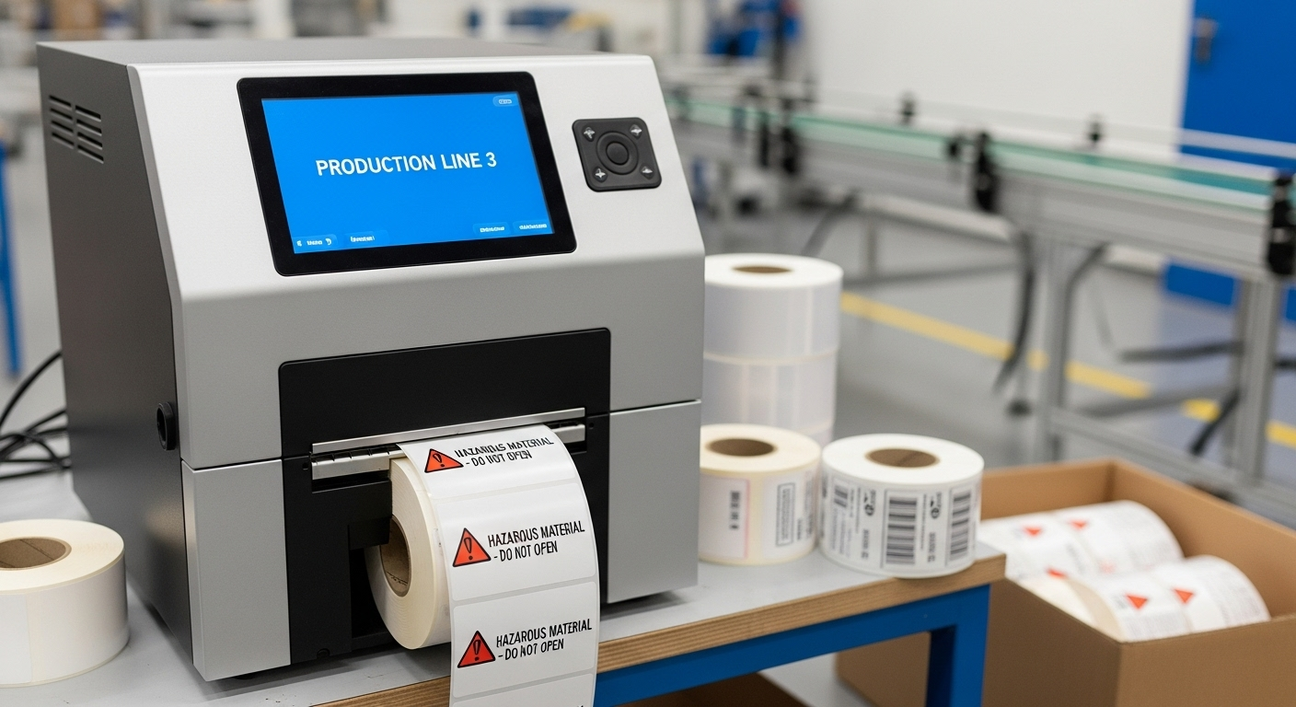
Label printers
Pre-printed tags
Having the right tools saves time and keeps everything clean and readable.
When to Update or Replace Tags
Tags should be replaced when:
They fade
They break
Rules change
The machine gets repaired
There is a new hazard
Info becomes unclear
Fresh tags help workers avoid mistakes and stay safe.
Final Thoughts

Safe equipment labeling is a small step that brings big results. With the right industrial tags, clear writing, and strong materials, any workplace can stay safer and more organized. Good tags protect workers, support safety rules, and help machines run without problems. A strong tagging system is one of the simplest ways to build a safer workplace for everyone.
FAQs
Why do we use industrial tags?
Industrial tags help workers see risks fast and keep machines easy to understand.
What makes a tag safe to use?
Clear words, bright colors, and strong material make a tag safe and easy to read.
How often should tags be replaced?
Replace them when they fade, break, or when machine info changes.
Where should I place a tag on a machine?
Put it where workers can see it right away, not behind or under a part.
What are asset identification tags used for?
They help track tools, machines, and parts in busy workplaces.