
Industrial Labeling Compliance: Best Practices for Safety
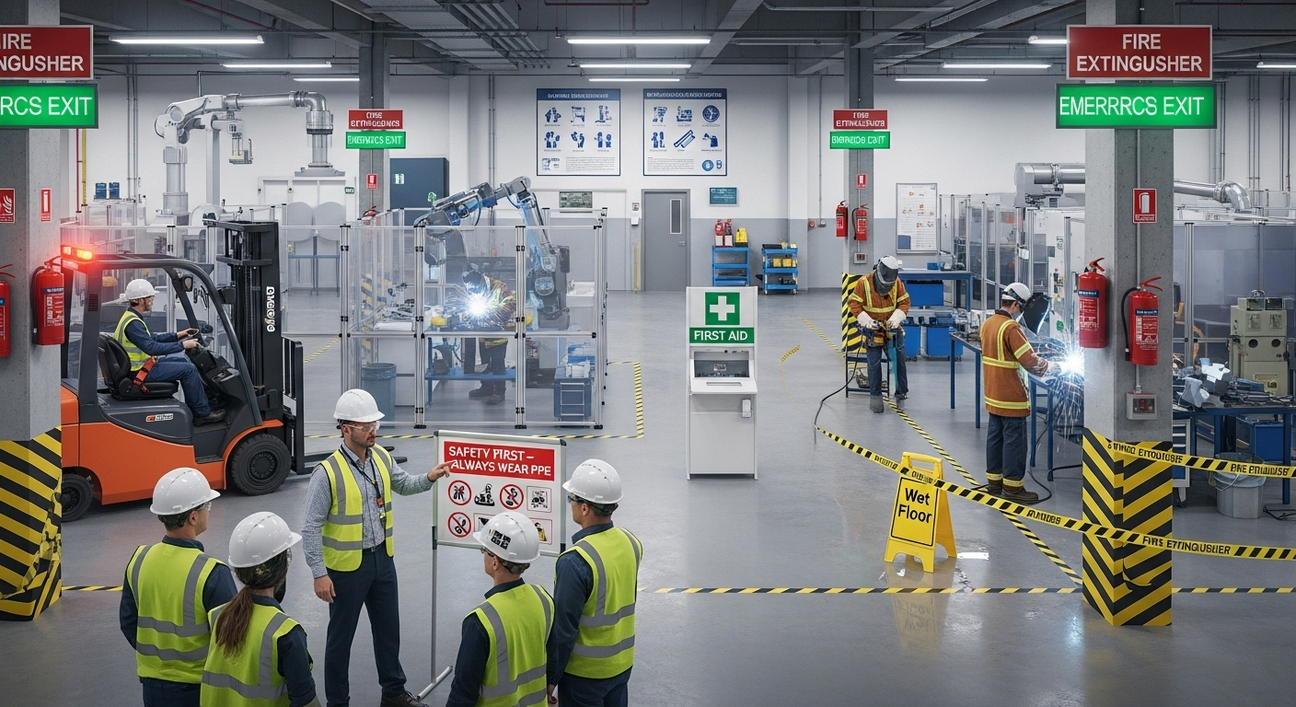
Proper workplace labeling compliance is crucial for any industrial setting. Correct labeling reduces accidents, improves communication, and ensures employees can handle equipment, chemicals, and machinery safely. This guide covers the best practices for safety labeling, compliance with OSHA standards, and practical strategies to maintain a safe work environment.
Introduction
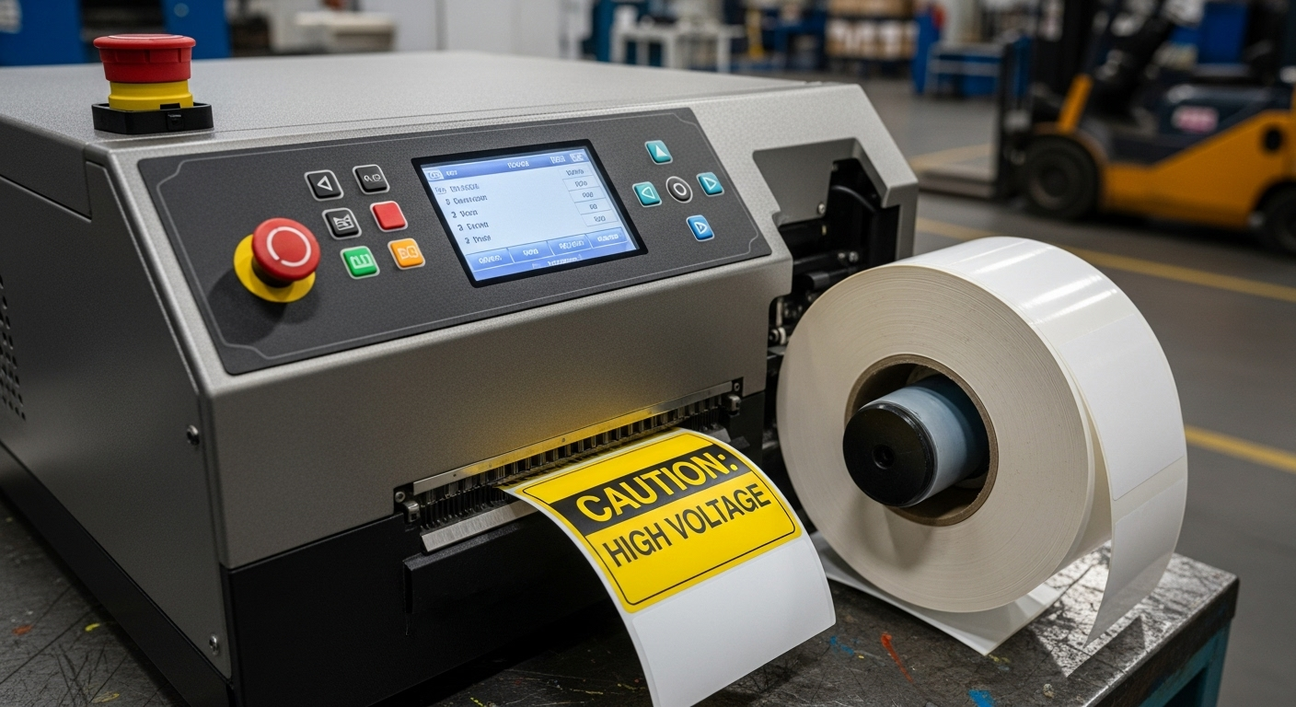
Industrial labeling is more than a legal requirement—it’s a key factor in preventing accidents and protecting employees. Equipment labeling, chemical hazard warnings, and clear safety signs help staff identify risks quickly and act accordingly. Companies like Archford provide reliable industrial label printers that make compliance easier and labels more durable.
Understanding Industrial Labeling Standards
Compliance starts with knowing the regulations:
OSHA Labeling – The Occupational Safety and Health Administration sets rules for hazard communication, ensuring that chemicals and equipment are labeled clearly to prevent workplace injuries.
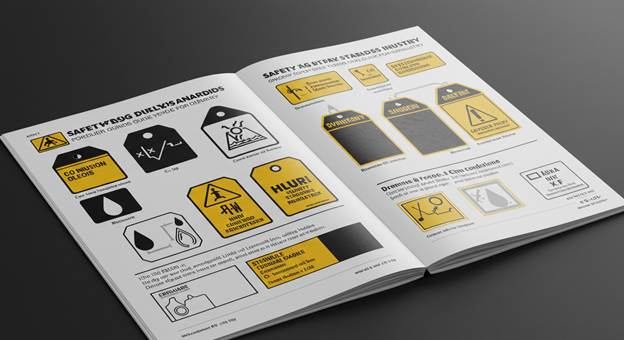
ANSI Standards – These standards guide label symbols, colors, and visibility for maximum effectiveness.
ISO Guidelines – International labeling standards ensure consistency and safety across global operations
Understanding these standards is key for effective safety labeling in industrial environments.
Types of Industrial Labels

Different labels serve different purposes:
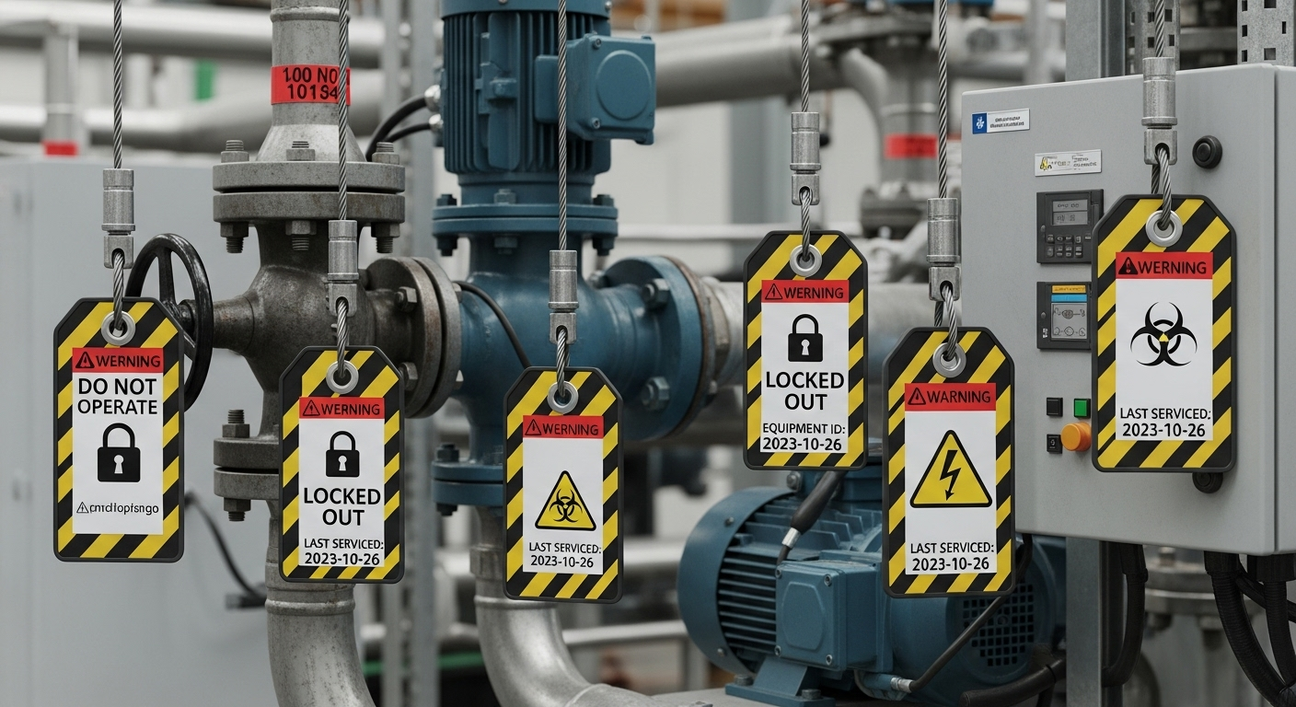
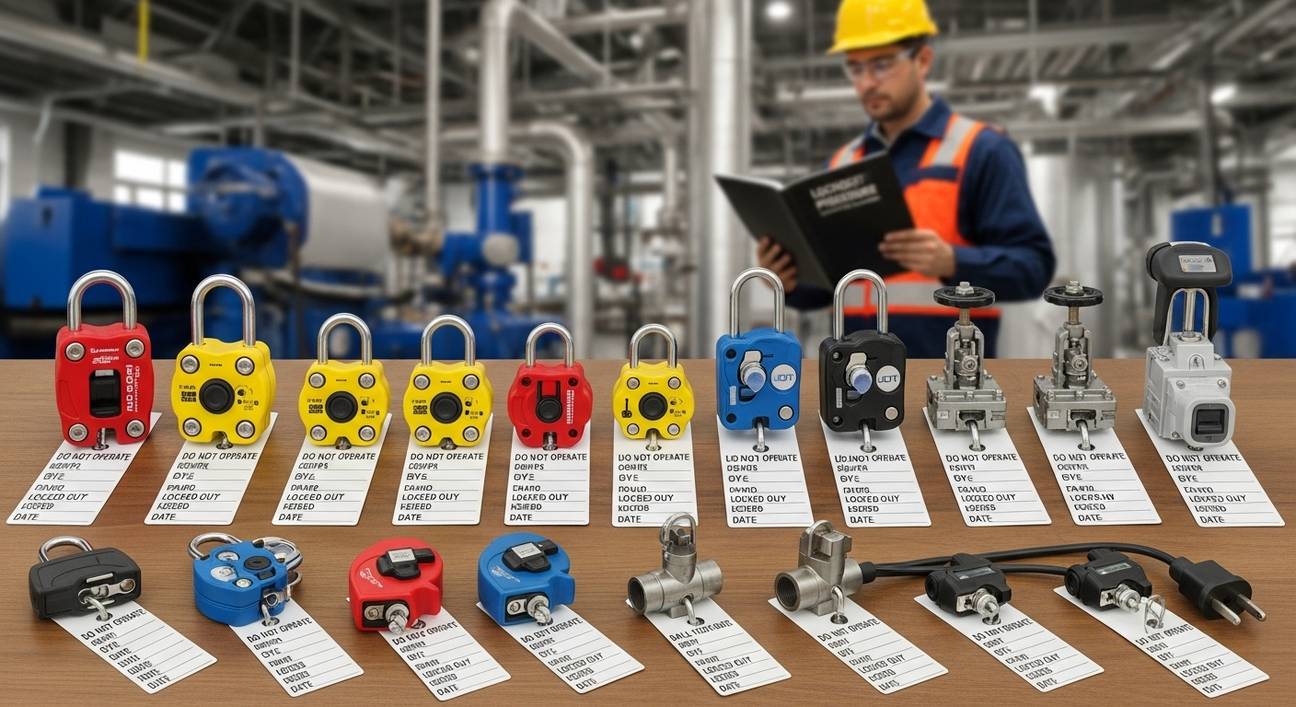
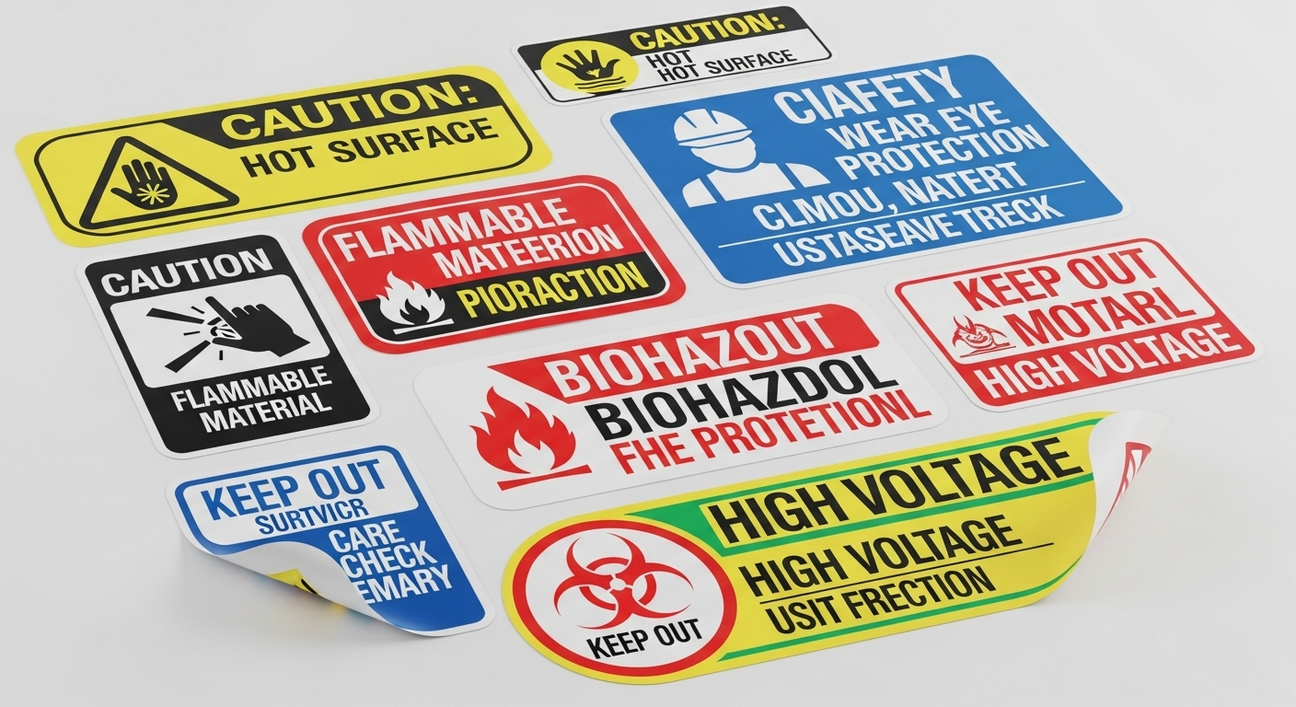
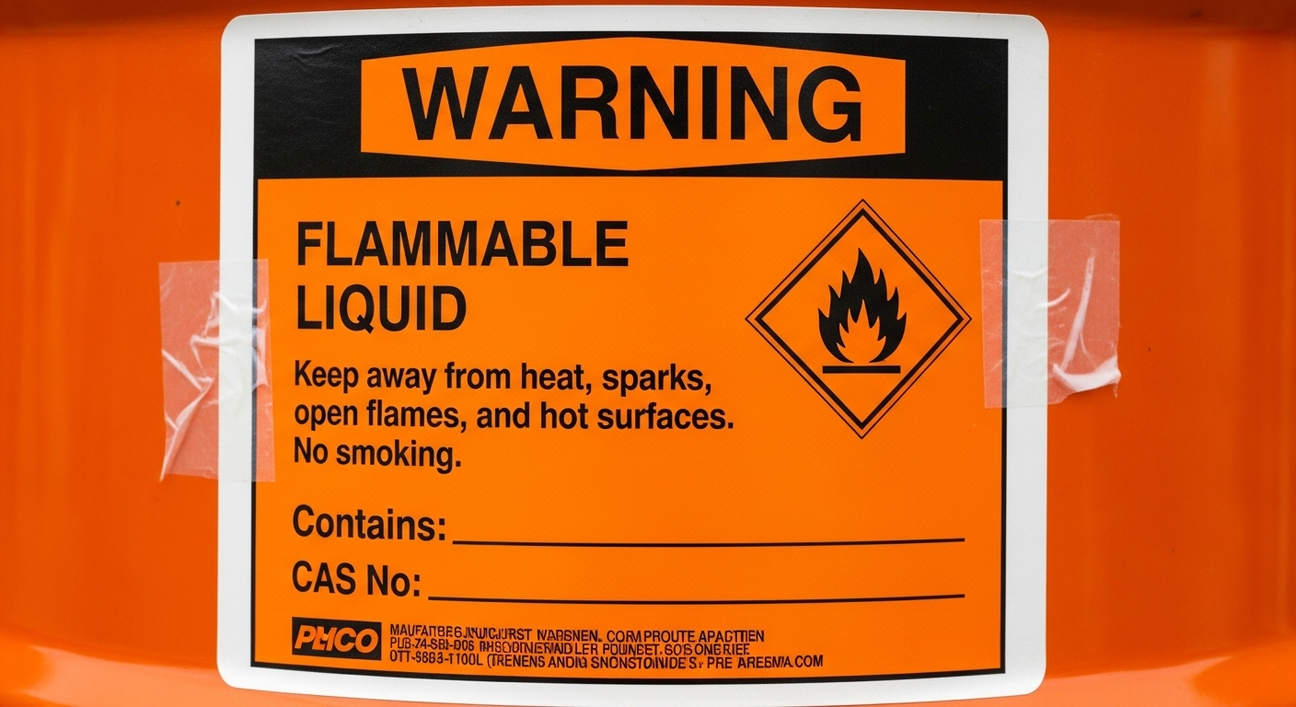
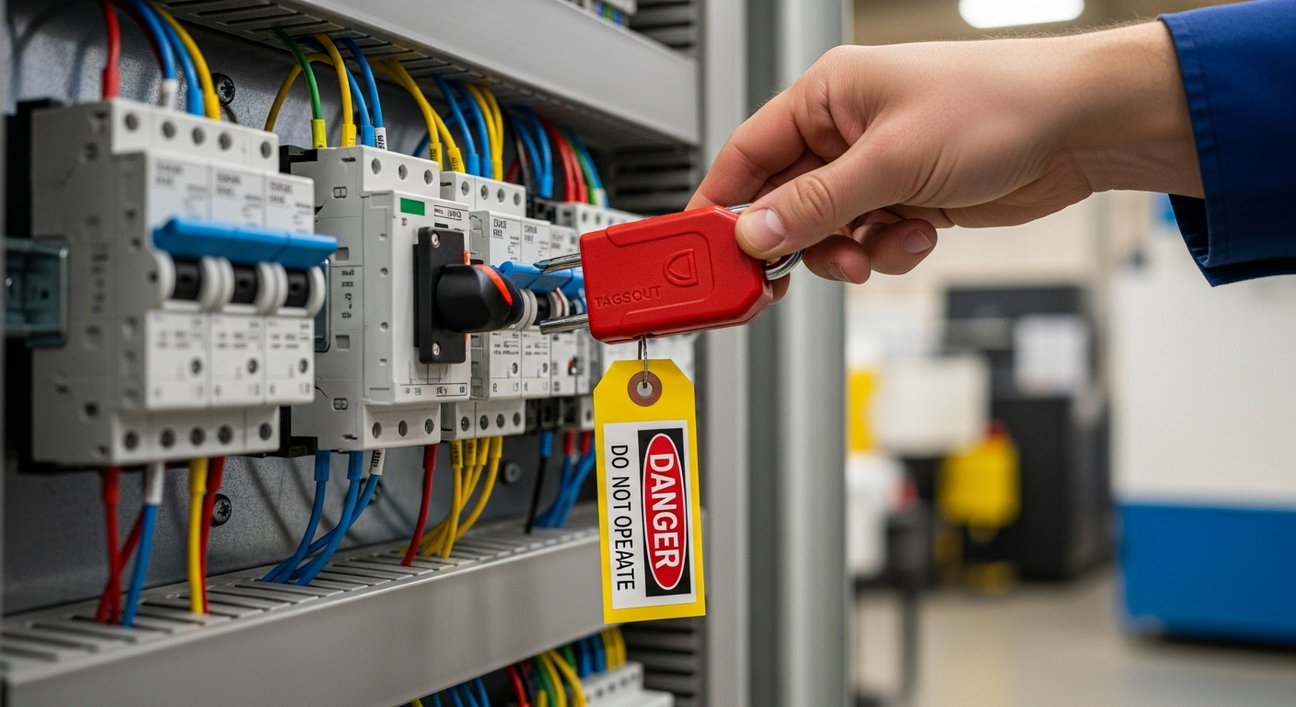
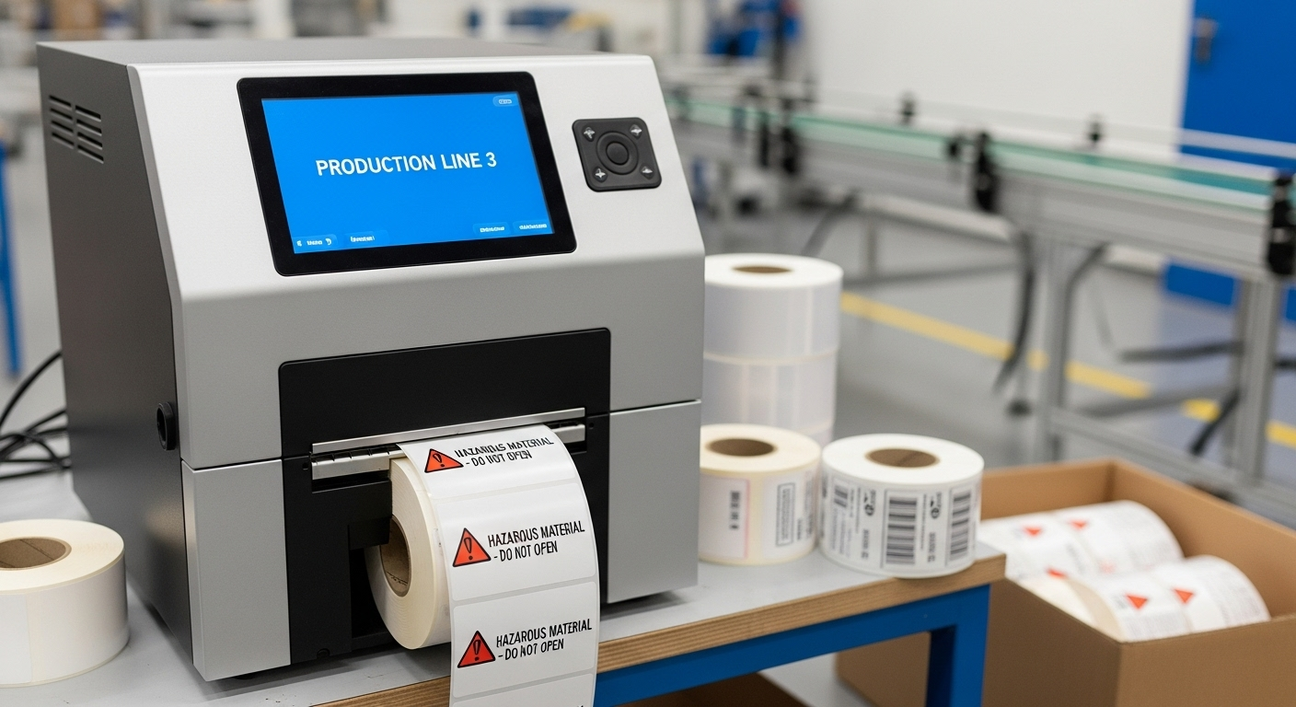
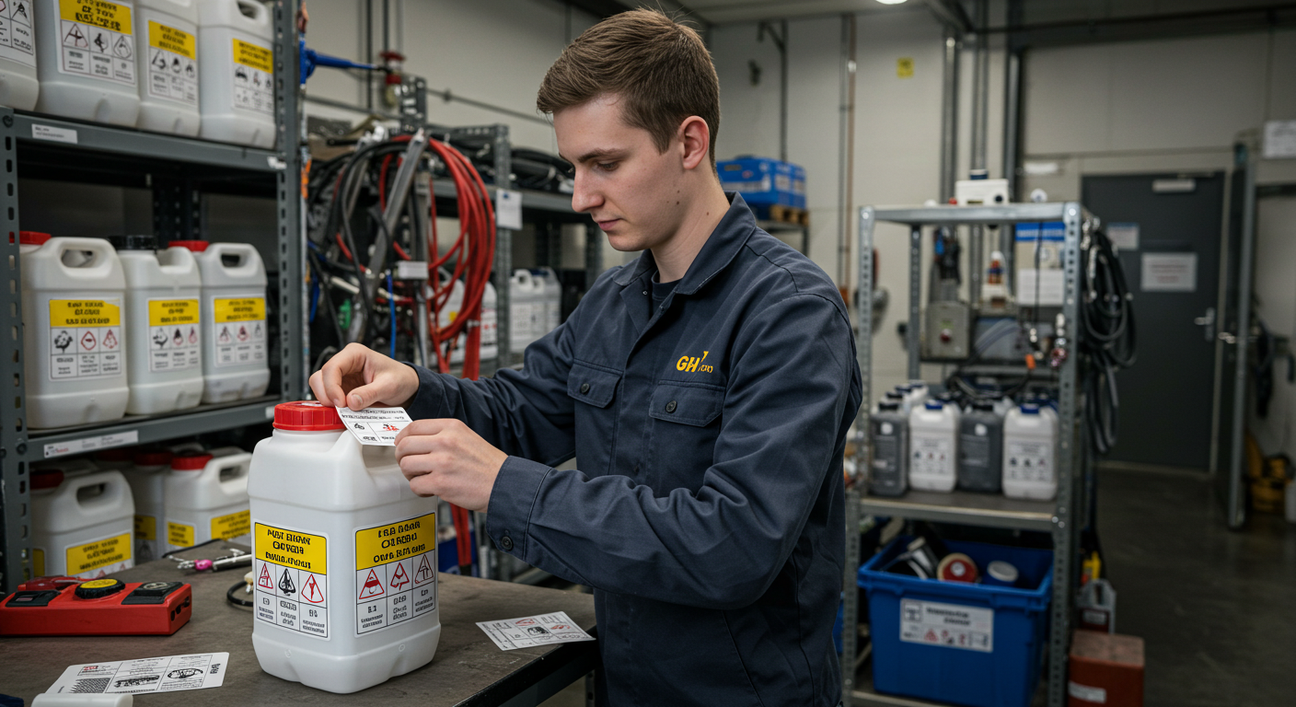
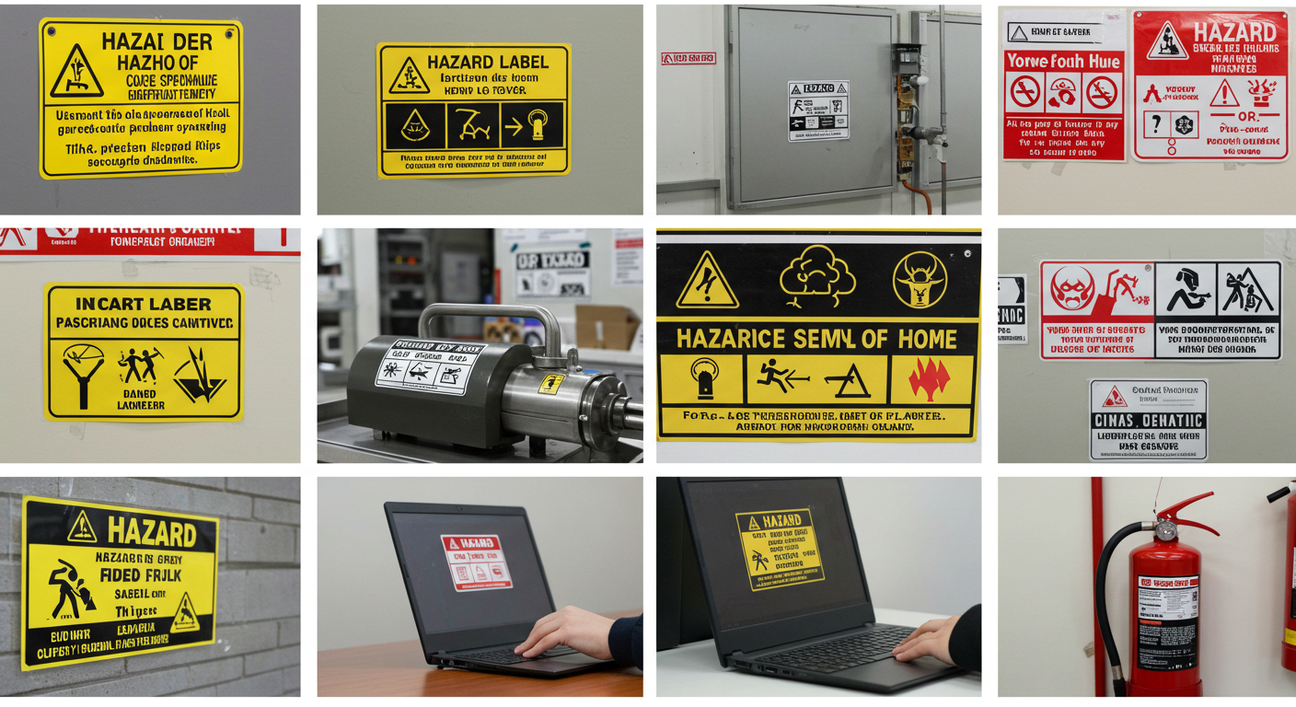
Hazard Labels – Identify chemical, electrical, or mechanical risks.
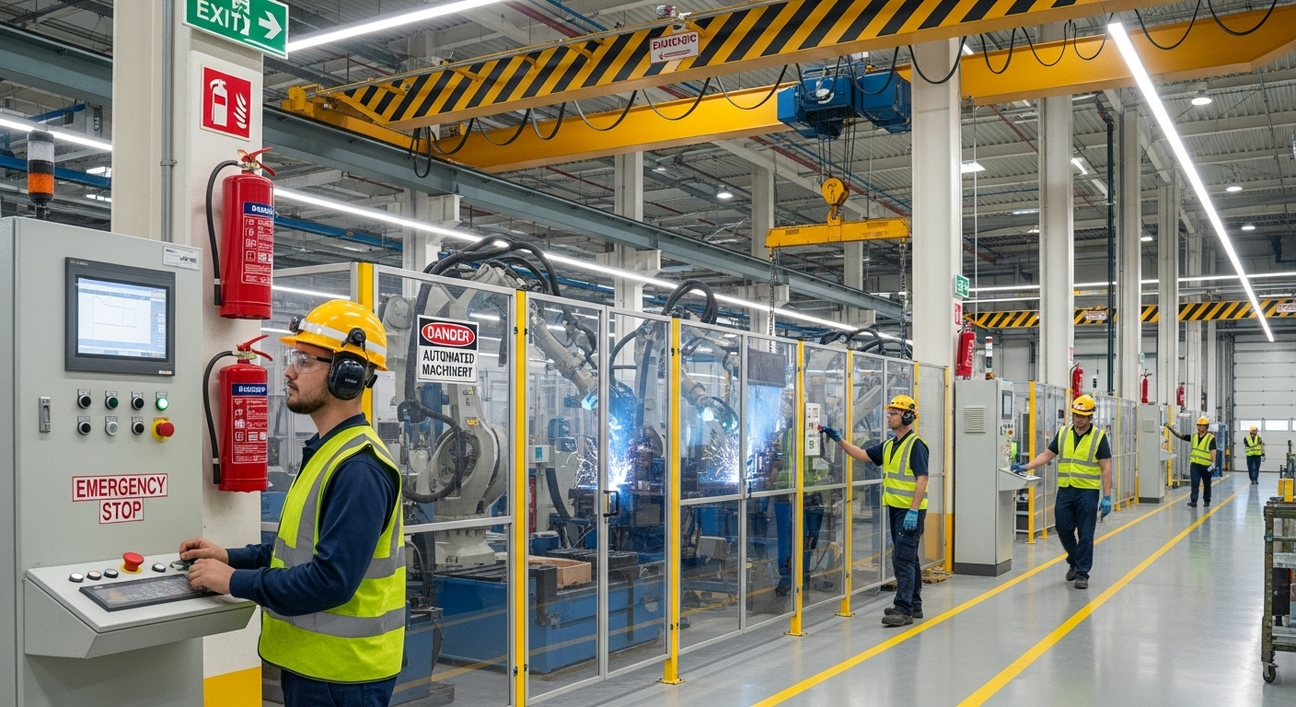
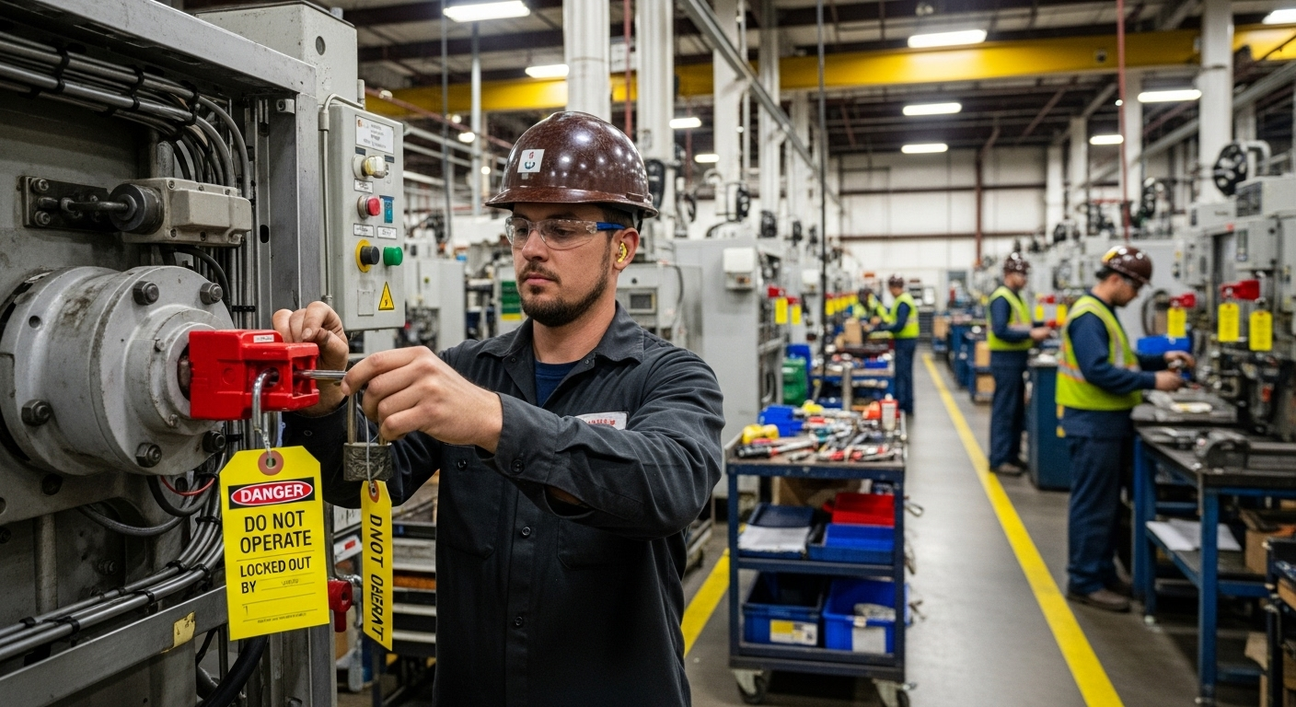
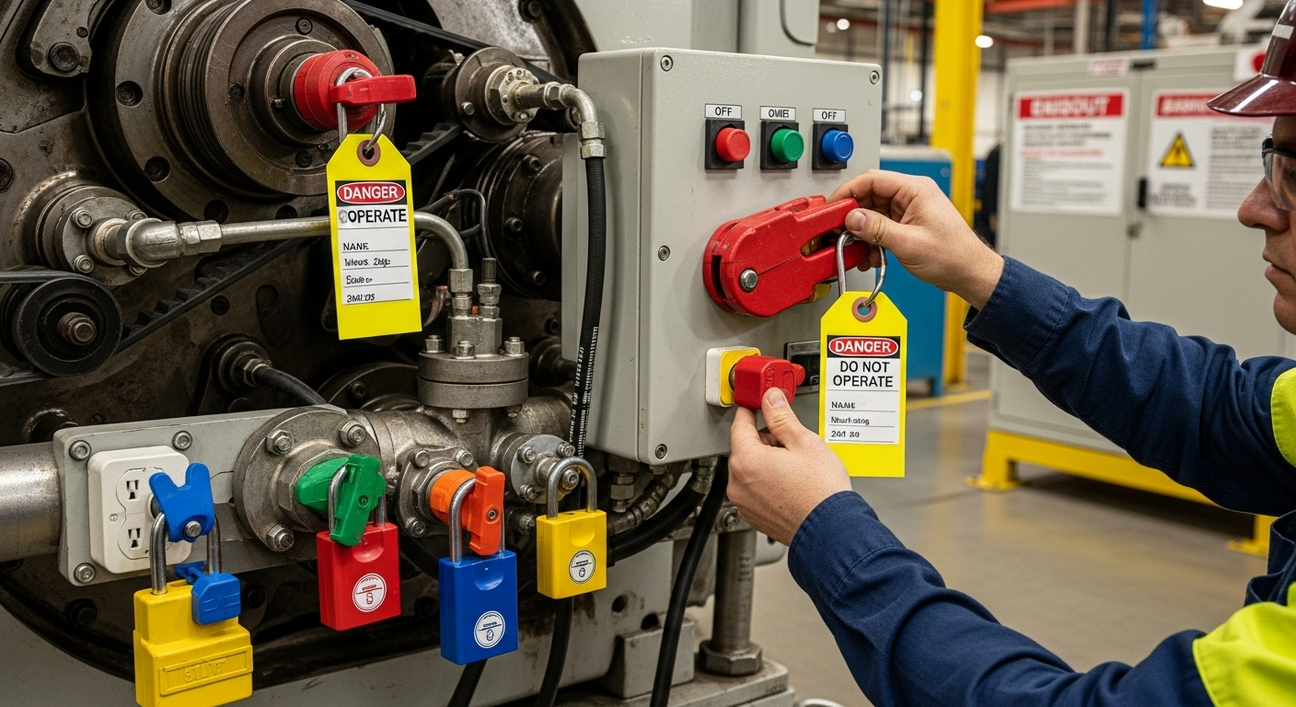
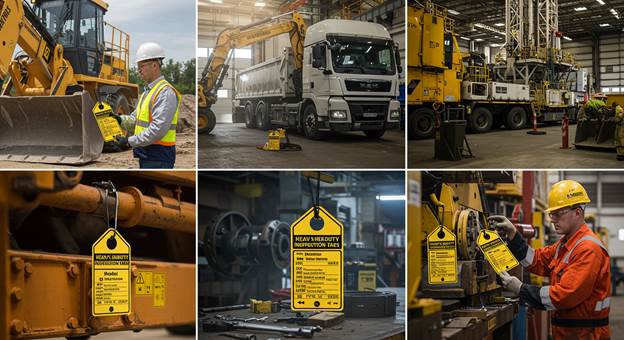
Equipment Labels – Provide information about machinery operation, maintenance, or safety instructions.
Inventory and Storage Labels – Track materials, chemicals, and parts to avoid misplacement or misuse.
Proper equipment labeling ensures workers operate machines safely and follow correct procedures.
Choosing the Right Label Materials
Durable materials are critical for harsh environments:
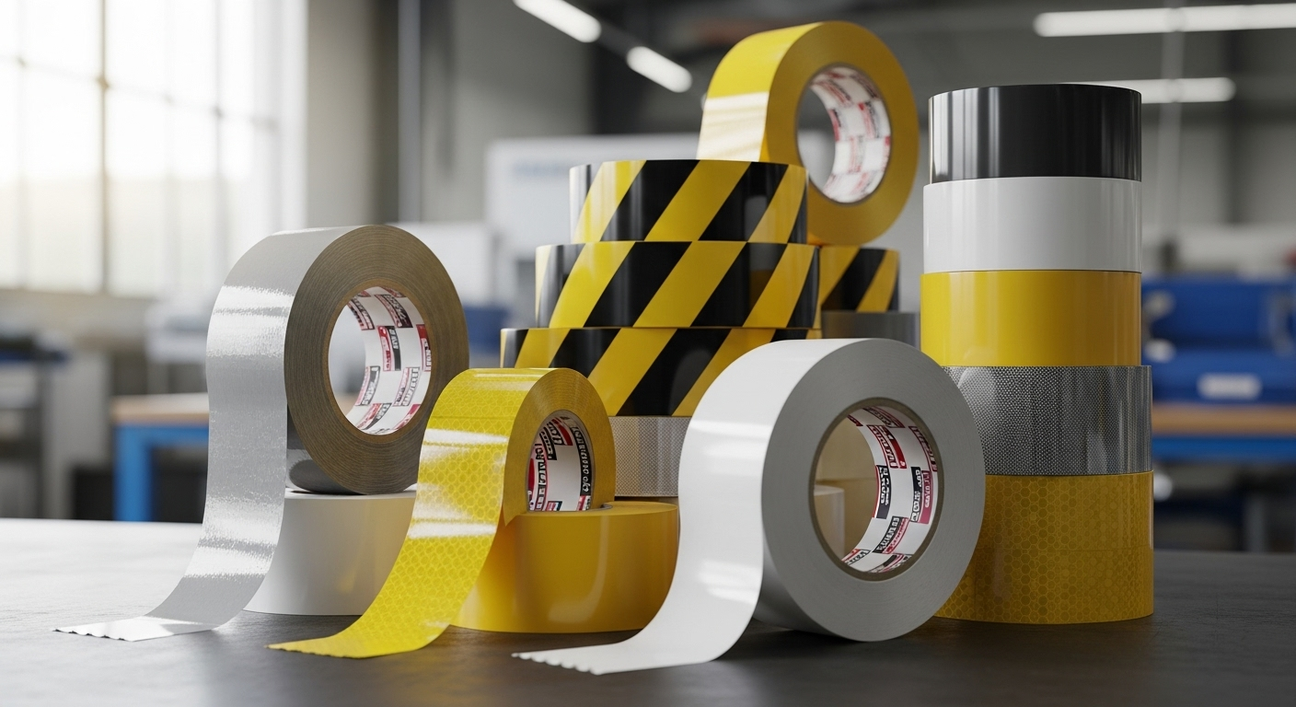
Weatherproof and Chemical-Resistant Labels – Ensure labels remain legible in extreme temperatures, moisture, or when exposed to chemicals.
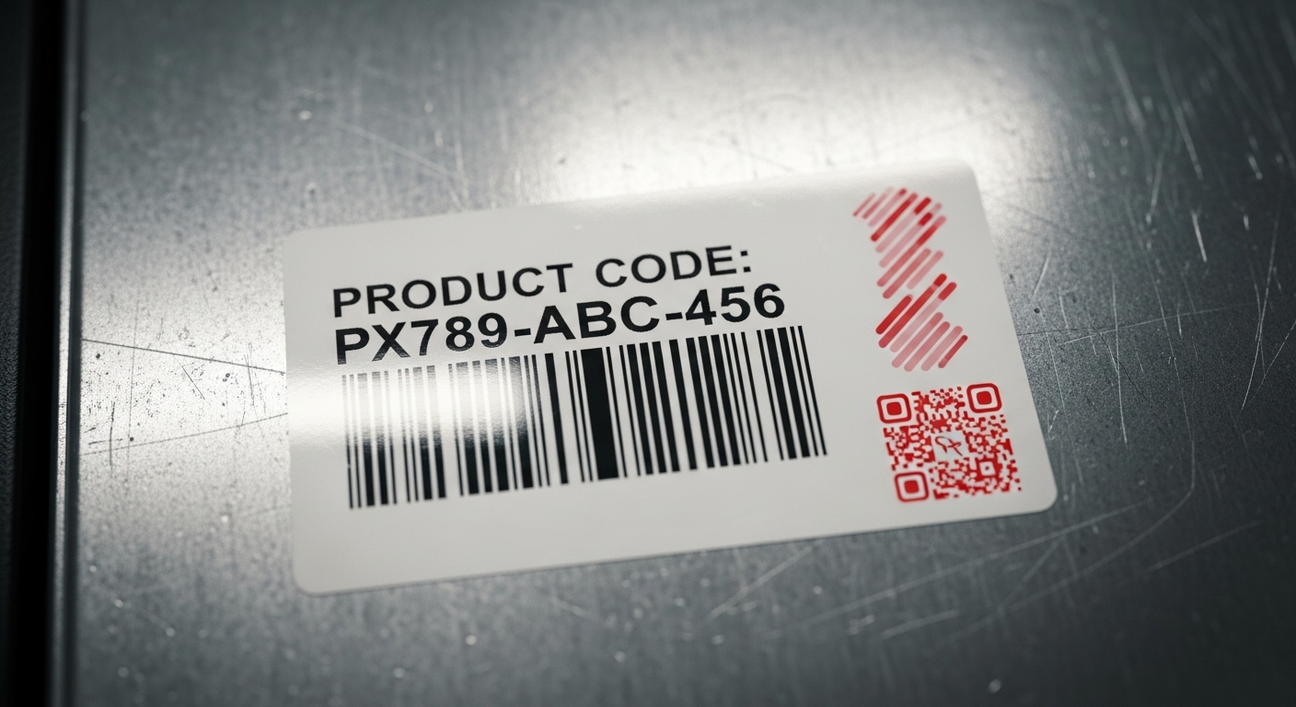
Strong Adhesives – Prevent labels from peeling off over time, especially on metal or plastic surfaces.
Industrial-Grade Labels – Designed for long-term use in factories or warehouses.
Selecting the right materials supports compliance and reduces the need for frequent replacements.
Designing Compliant Labels
A well-designed label improves readability and safety:
Use proper symbols, colors, and text according to OSHA and ANSI guidelines.
Choose legible fonts and sizes appropriate for the workplace.
Include key information like handling instructions, hazard warnings, and emergency contacts.
Clear, consistent labels help employees recognize hazards immediately and follow proper safety protocols.
Label Placement and Visibility
Proper placement ensures that safety information is noticed:
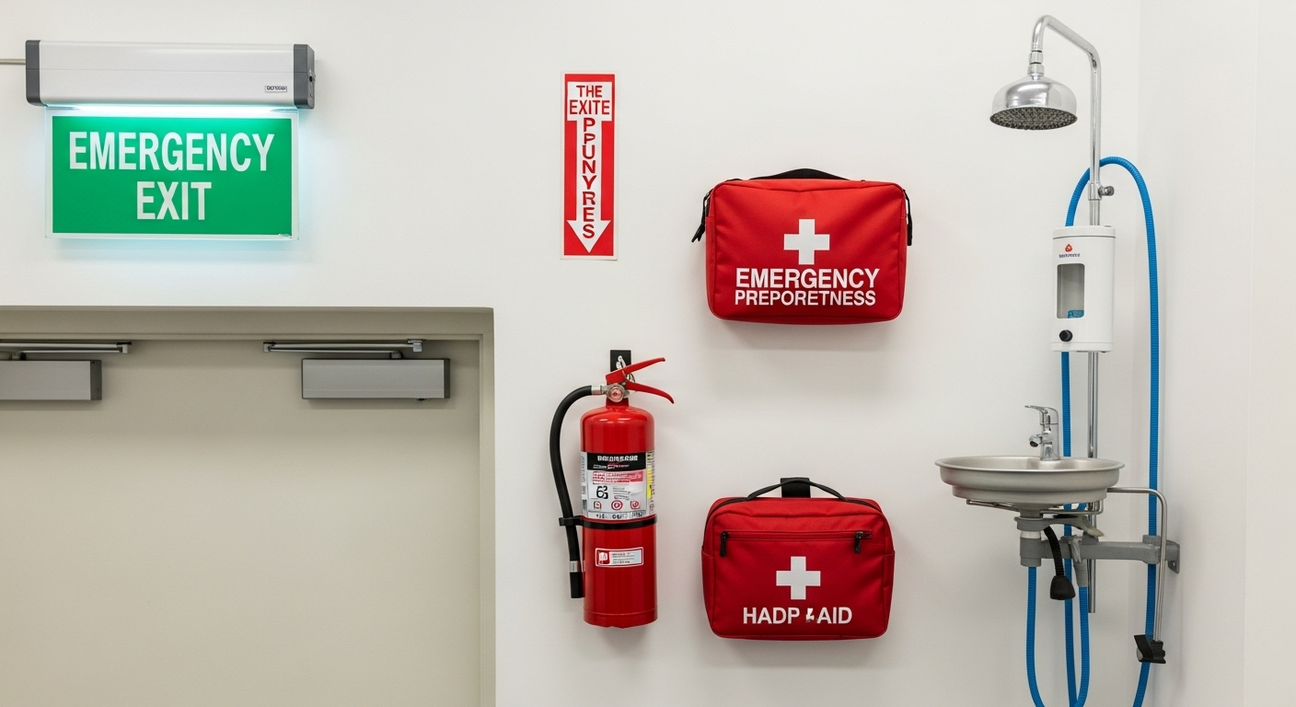
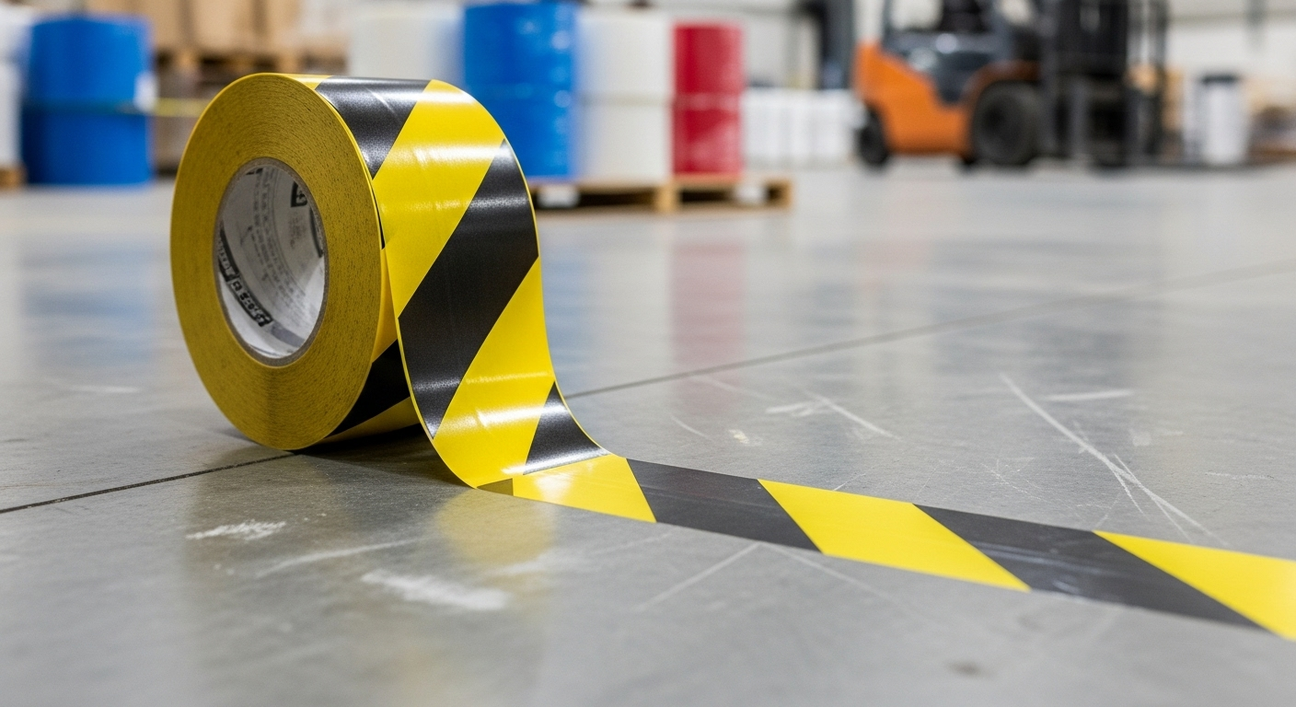
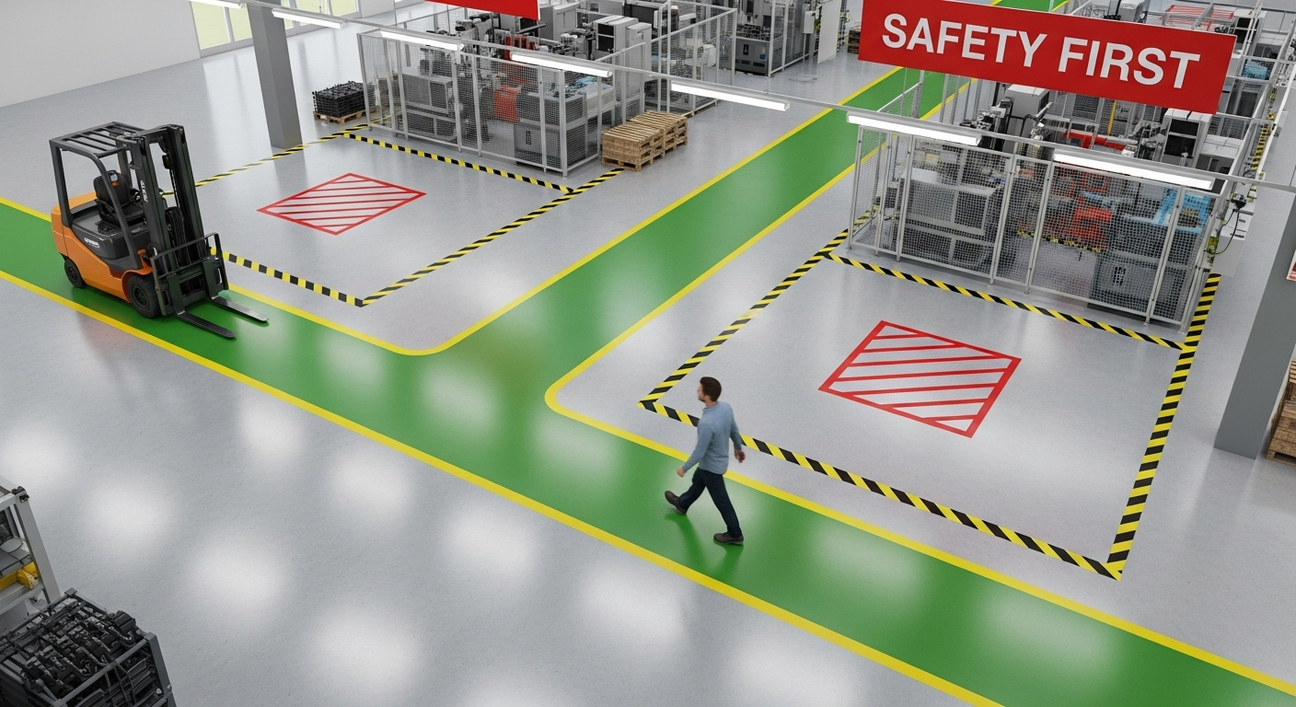
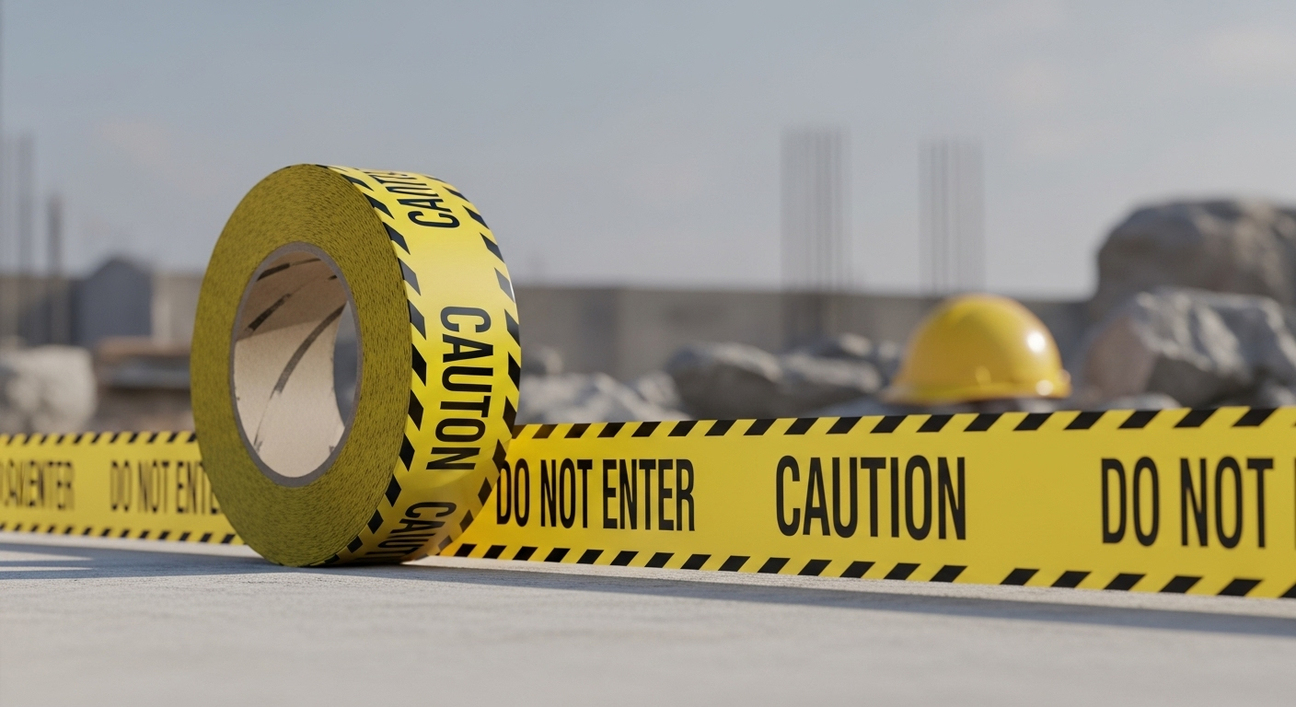
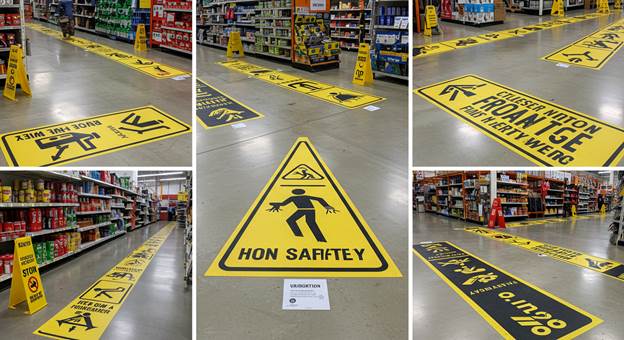
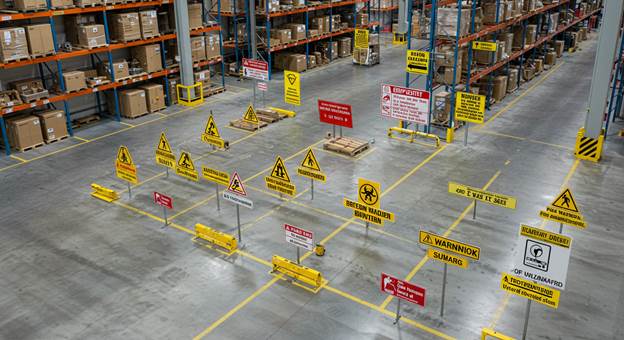
Place labels at eye level near equipment, entrances, or hazardous areas.
Avoid obstructing labels with machinery or storage.
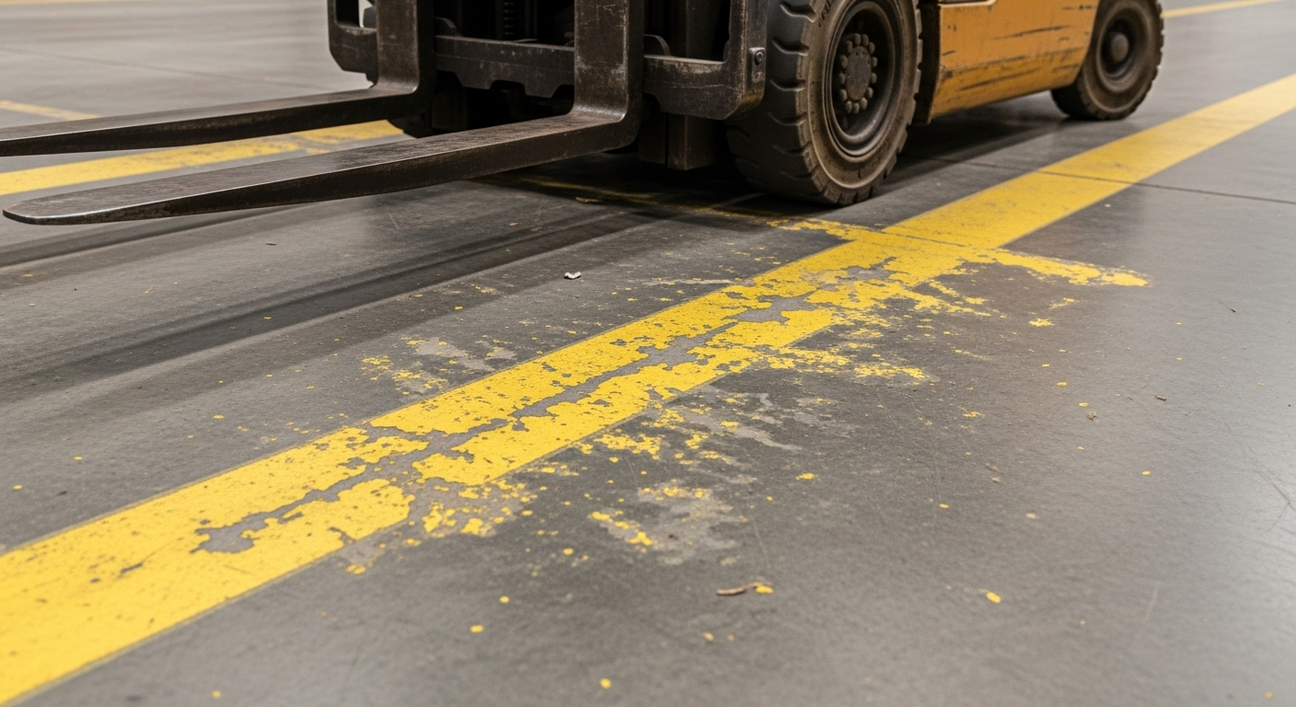
Replace worn, faded, or damaged labels promptly.
Strategic label placement maximizes the effectiveness of safety labeling programs.
Training and Awareness
Even the best labels are ineffective if employees don’t understand them:
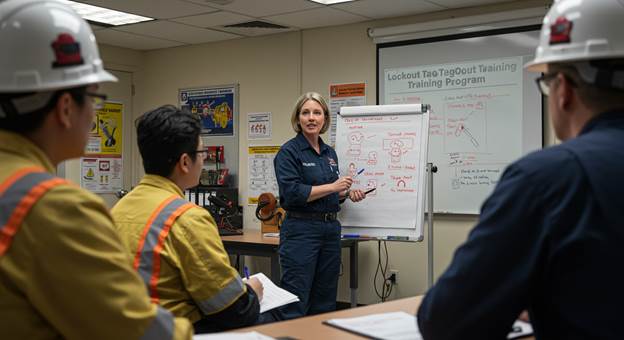
Train staff on the meaning of symbols, color codes, and instructions.
Maintain a labeling protocol or manual for new employees.
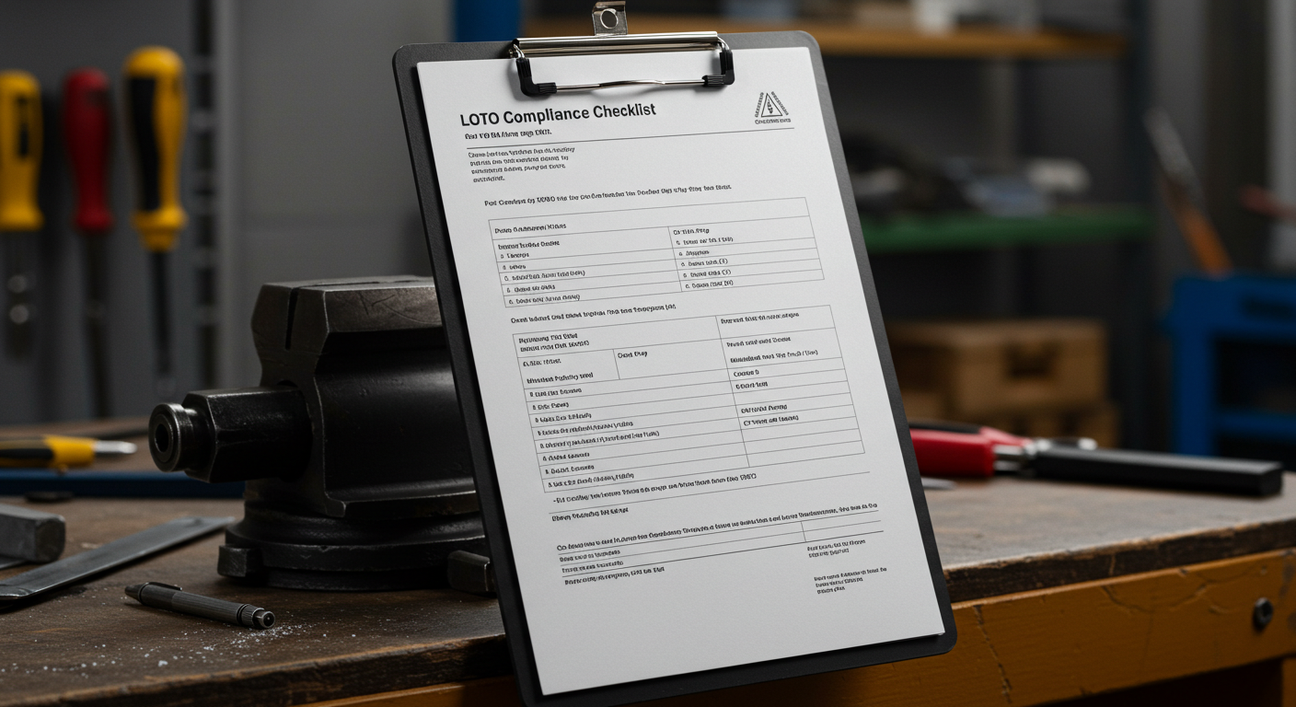
Conduct regular safety audits to ensure compliance.
Educated employees contribute to a safer workplace and help maintain workplace labeling compliance.
Technology for Industrial Labeling
Modern tools make labeling more efficient:
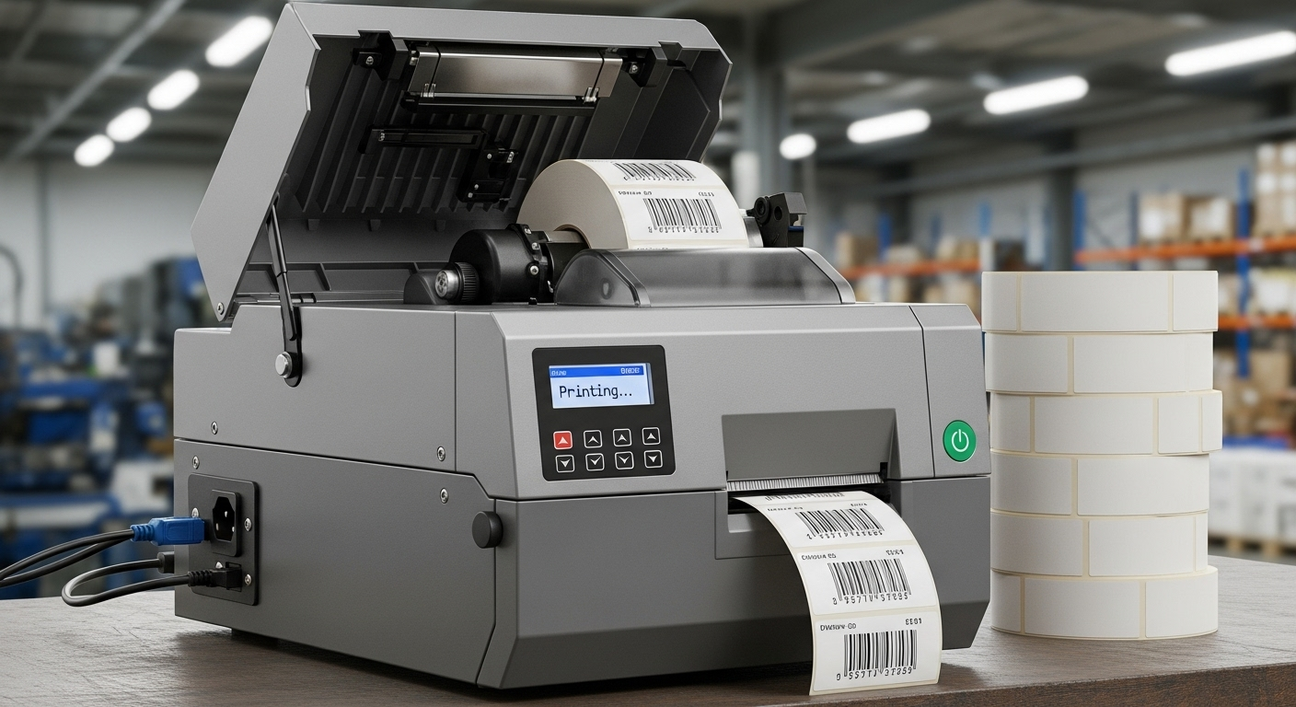
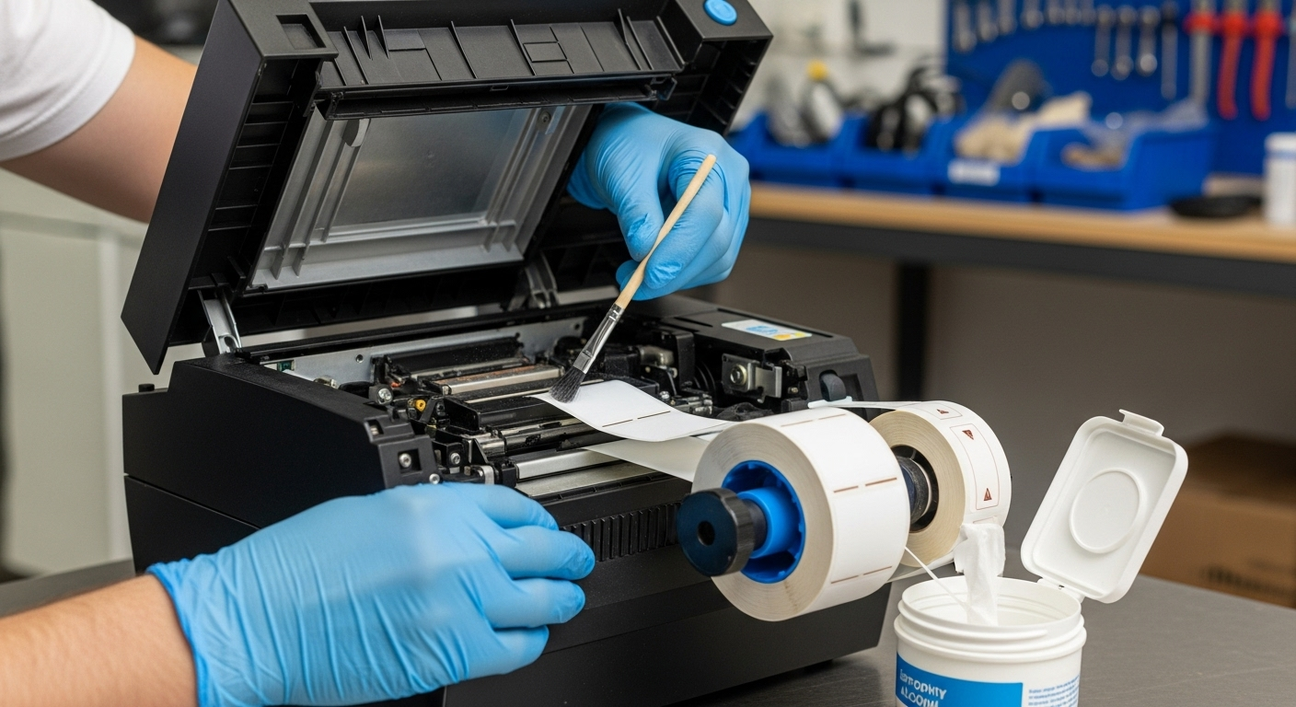
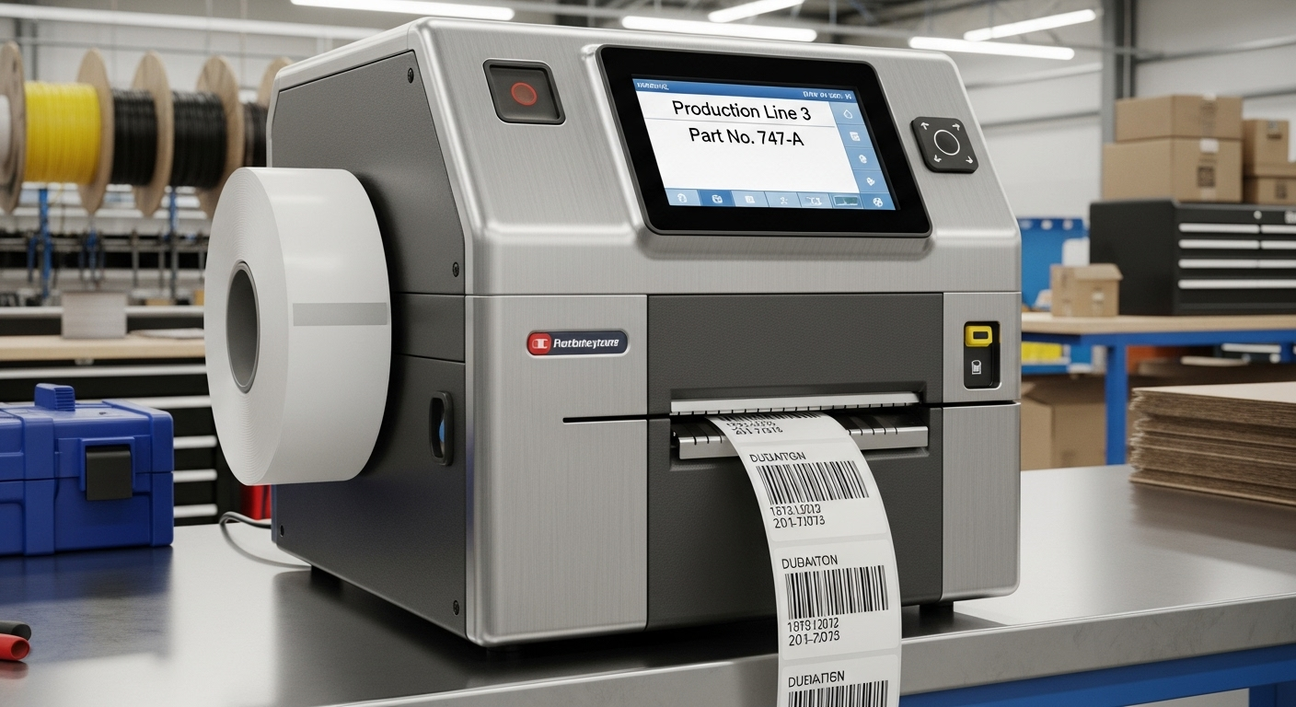
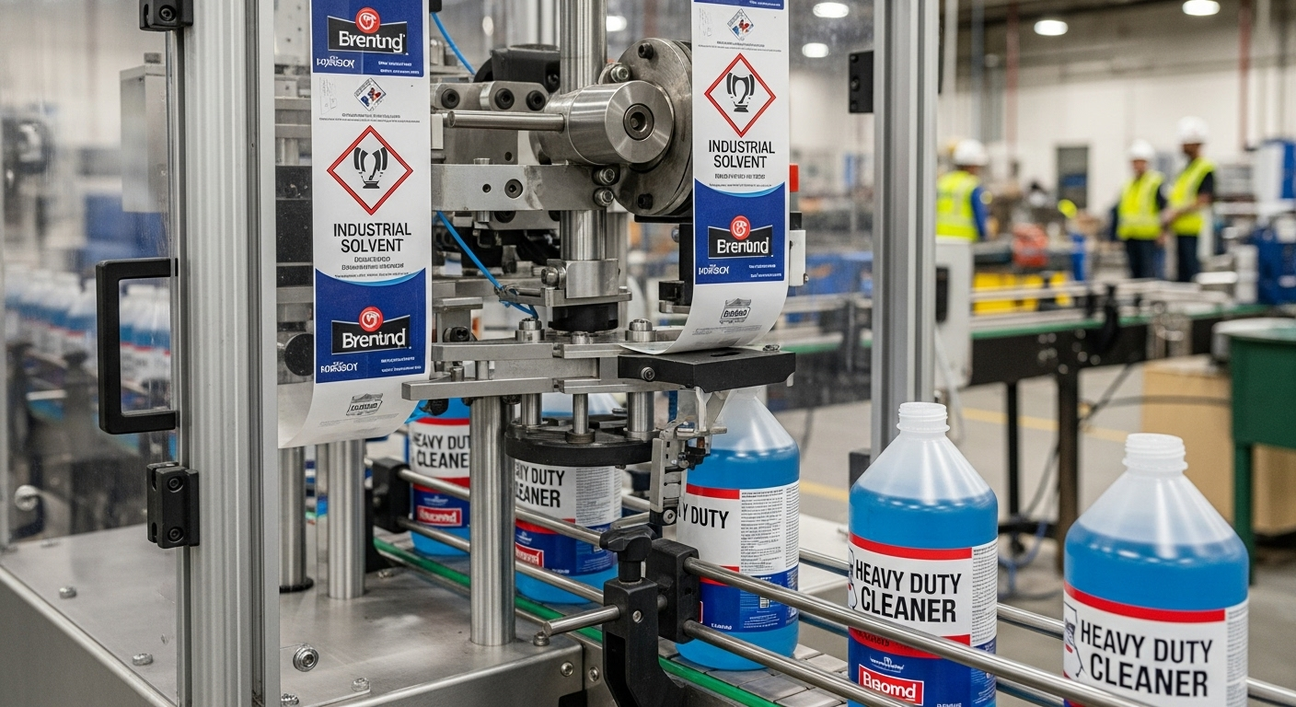
Industrial Label Printers – Reliable printers allow for clear, durable labels suitable for high-volume industrial use.
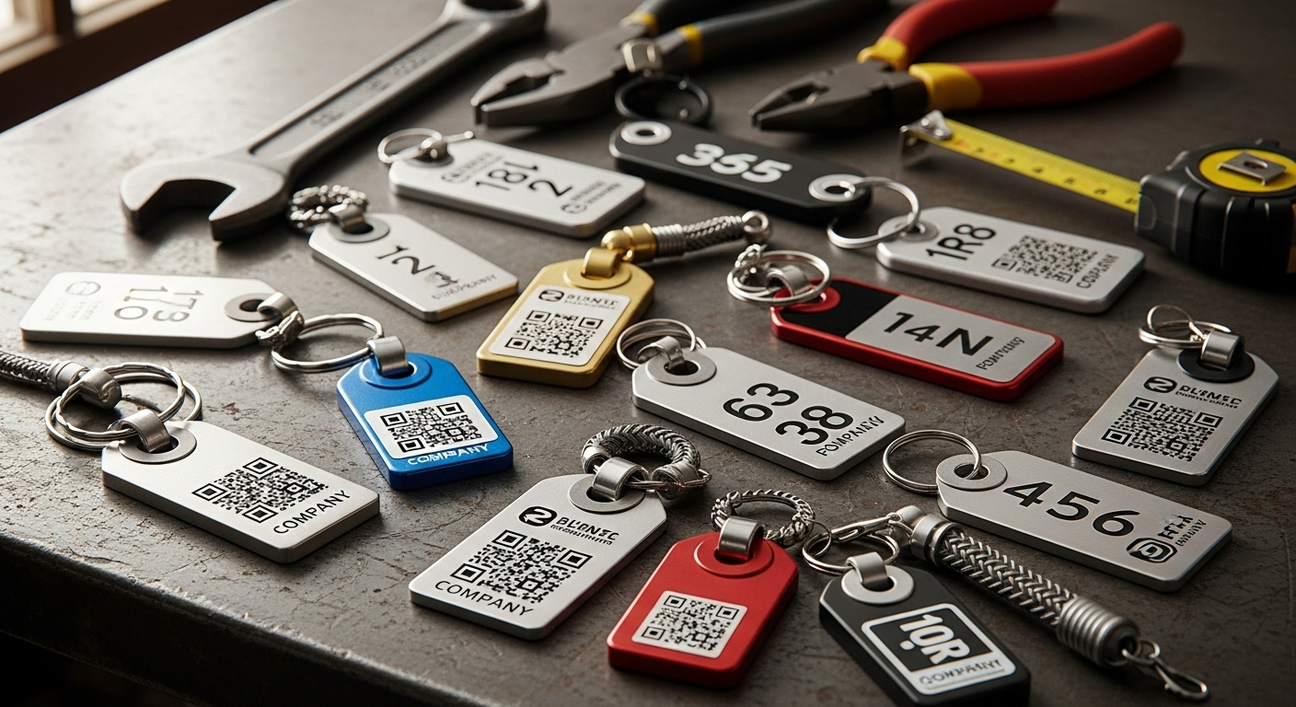
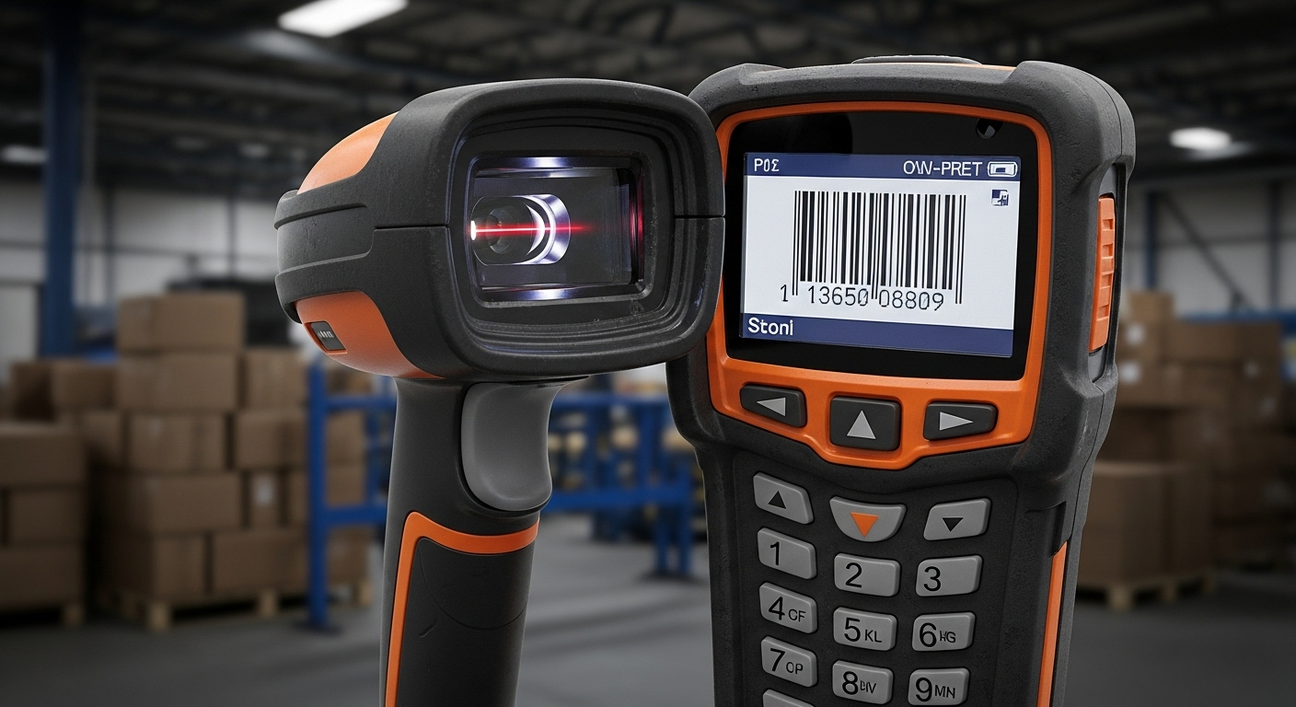
Barcode or RFID integration improves inventory tracking and safety compliance.
Label design software helps automate creation and ensures consistent compliance.
Using quality printers from suppliers like Archford ensures labels last longer and meet industry standards.
Common Labeling Mistakes and How to Avoid Them
Avoid these frequent errors:
Labels that are misplaced, unreadable, or worn
Using non-compliant colors, symbols, or text
Failing to update labels after equipment, process, or chemical changes
Regular checks, staff training, and proper printer usage help maintain safe and compliant labeling practices.
Final consideration

Following best practices for workplace labeling compliance, OSHA labeling, and equipment labeling ensures a safer industrial environment. Proper design, material choice, placement, and staff training all contribute to effective safety labeling. Using high-quality industrial label printers and durable materials helps keep labels clear and reliable. Implementing these strategies creates a safer, more efficient workplace while ensuring compliance with regulations.
FAQs
What is workplace labeling compliance?
It ensures that all equipment, chemicals, and hazards are labeled according to OSHA and ANSI standards to maintain a safe work environment.
What is OSHA labeling?
OSHA labeling refers to the hazard communication standards that require clear and consistent labeling of chemicals and equipment to prevent workplace accidents.
Why is equipment labeling important?
Proper equipment labeling helps employees operate machinery safely, follow maintenance instructions, and avoid accidents.
How can I make safety labeling effective?
Use durable materials, proper symbols and colors, clear fonts, and place labels where they are easily visible.
Can technology help with labeling compliance?
Yes. Using industrial label printers, barcode systems, and labeling software ensures durable, clear, and compliant labels.