

How to Choose the Right PPE for Your Industrial Workplace
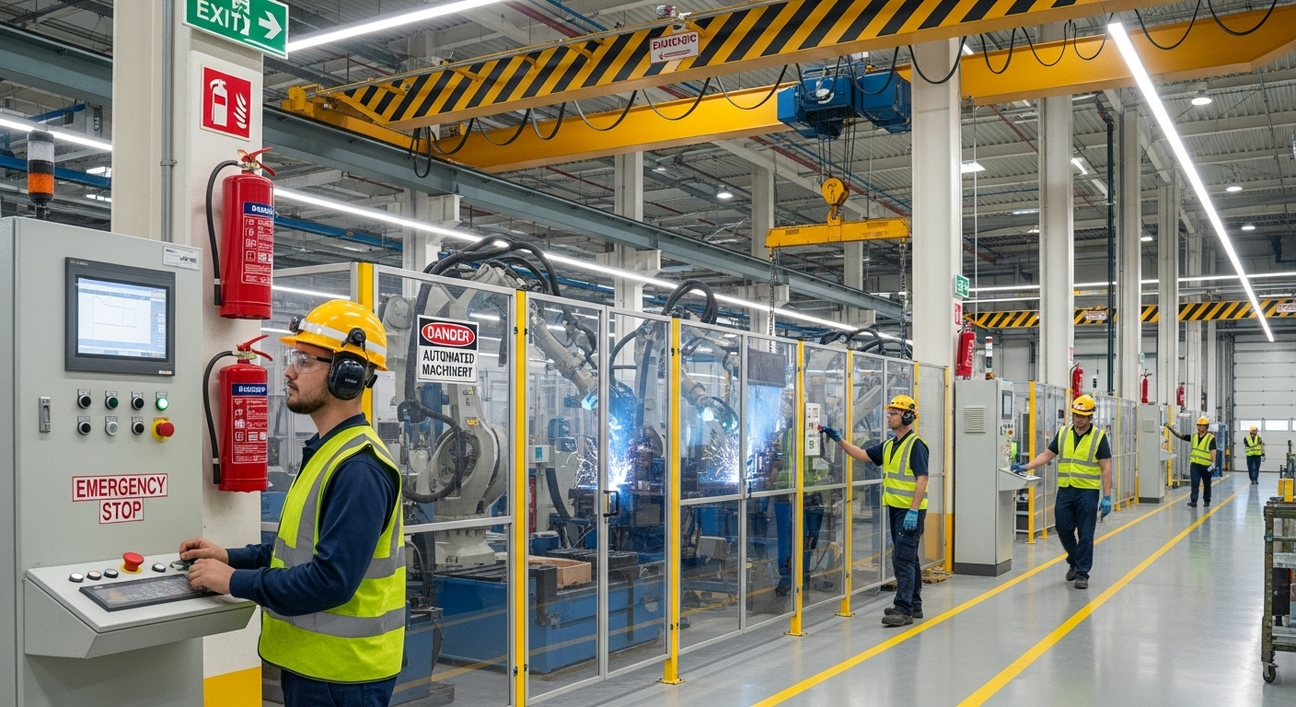
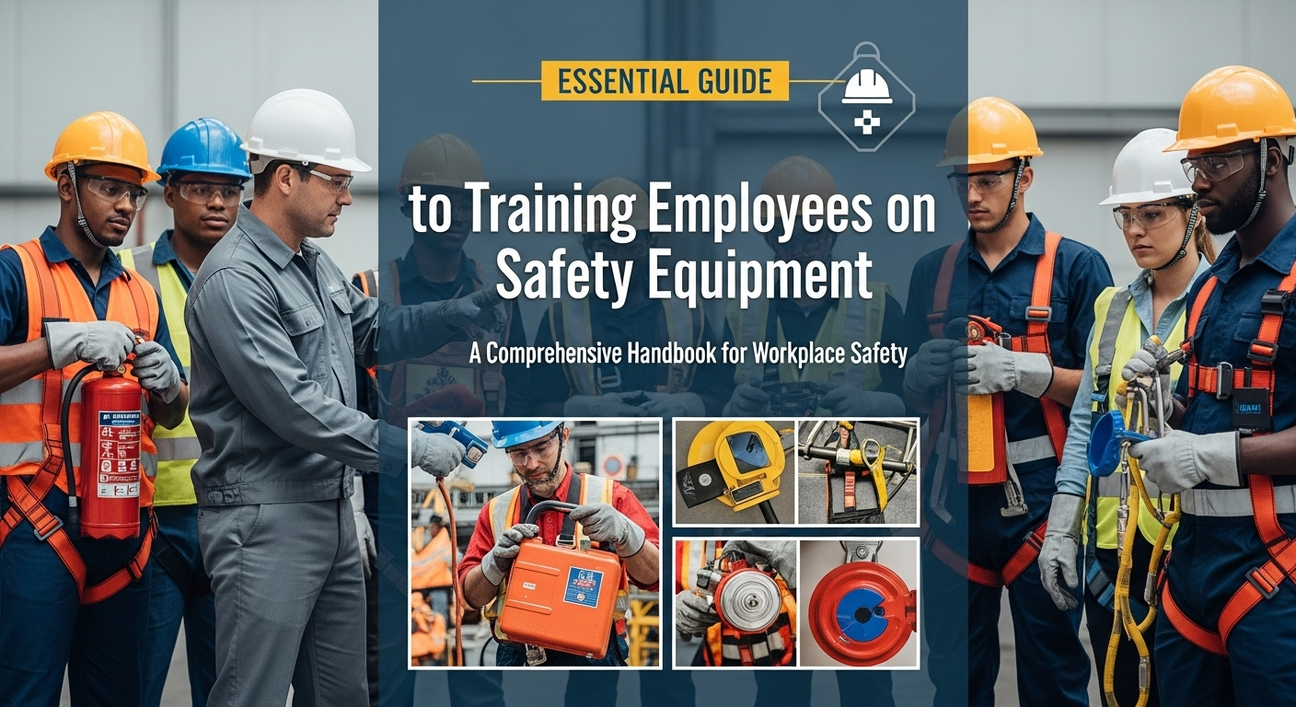
Keeping workers safe is a top priority in any industrial environment. With machines, chemicals, and high-risk tasks, accidents can happen quickly. Choosing the right industrial PPE is essential to protect employees and maintain workplace safety. This guide will help you understand how to select the proper safety gear and workplace protective equipment, ensuring your team stays safe and productive.
Brands like Archford offer durable and reliable industrial safety gear that fits a variety of work environments, making PPE selection simpler for facility managers.
Understanding PPE
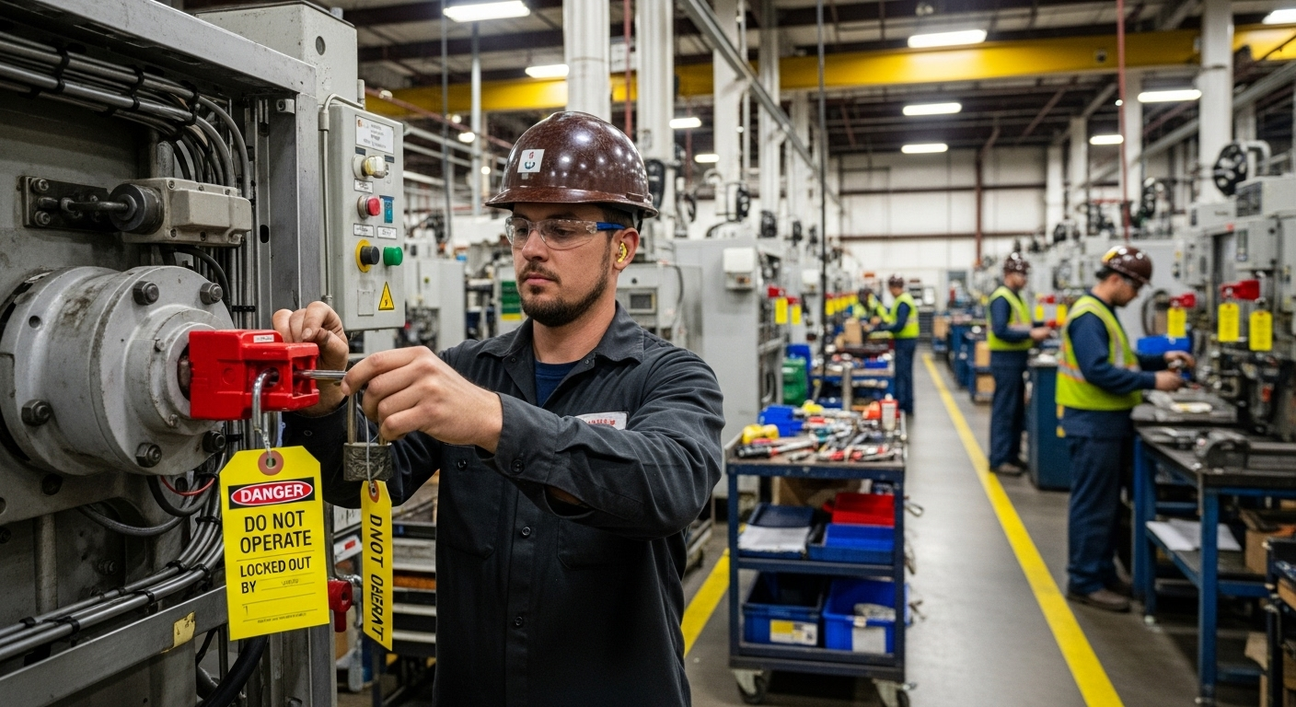
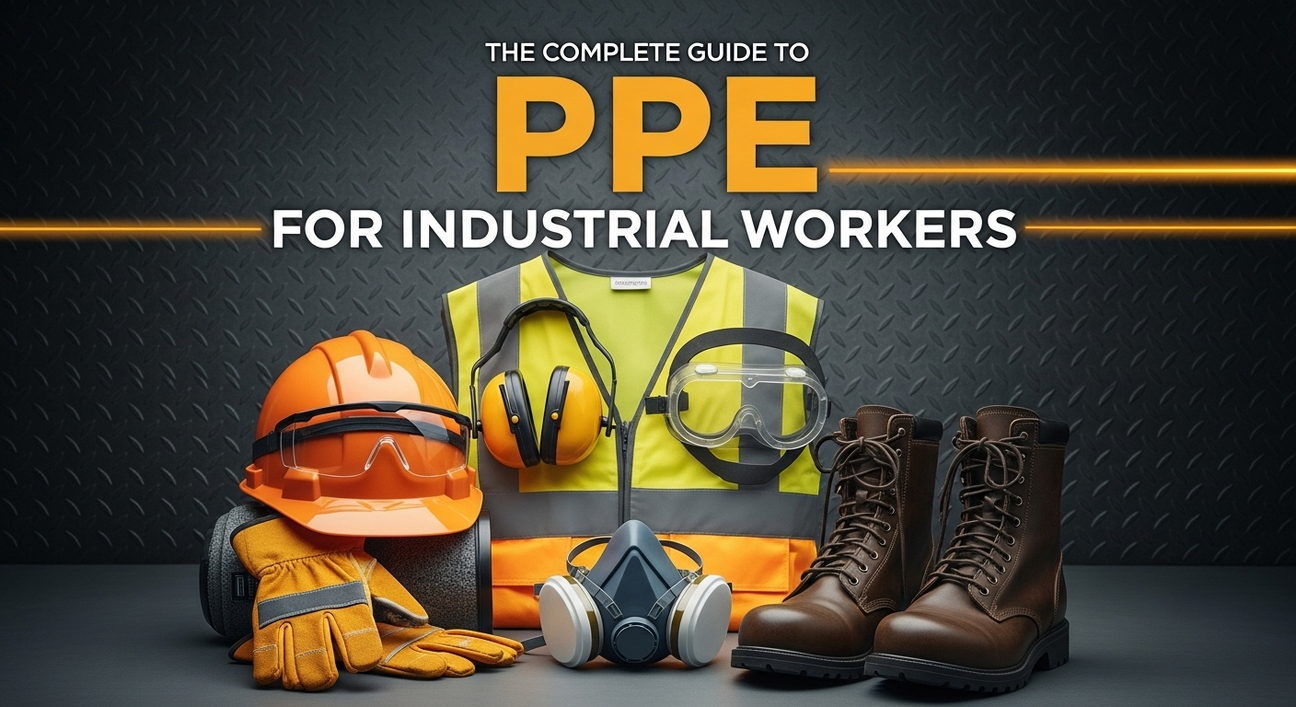
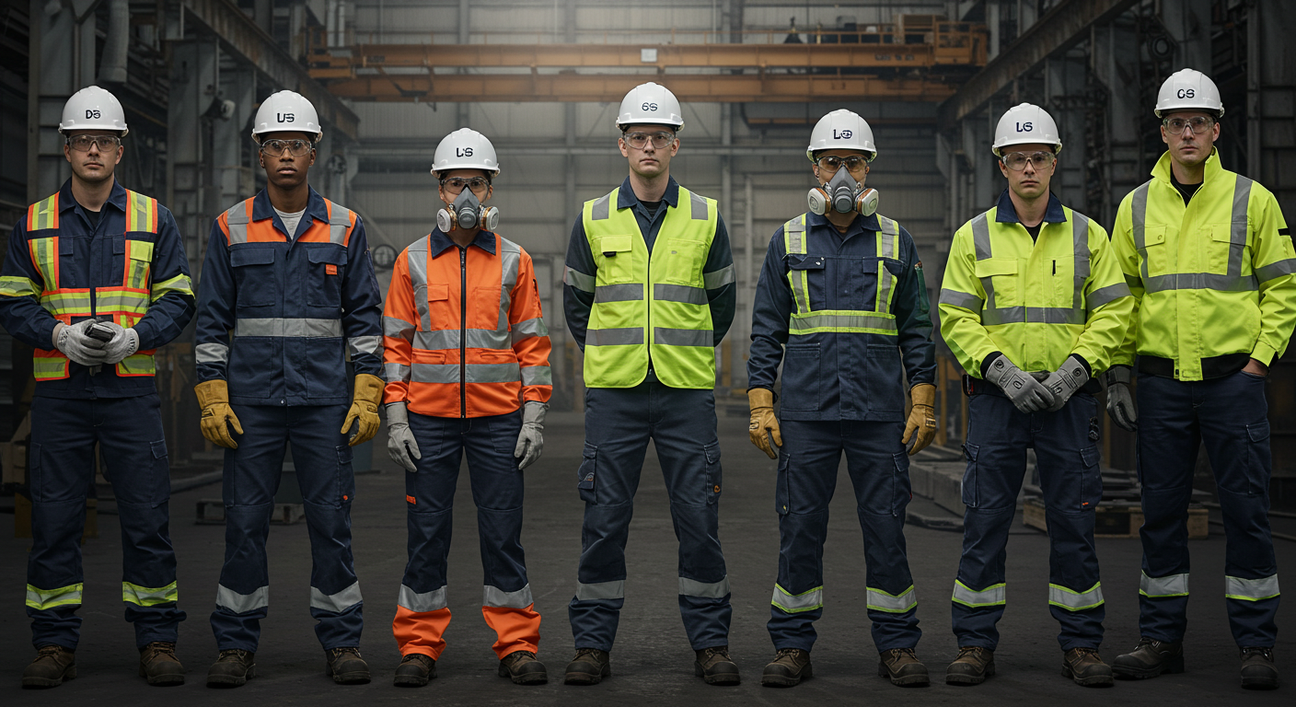
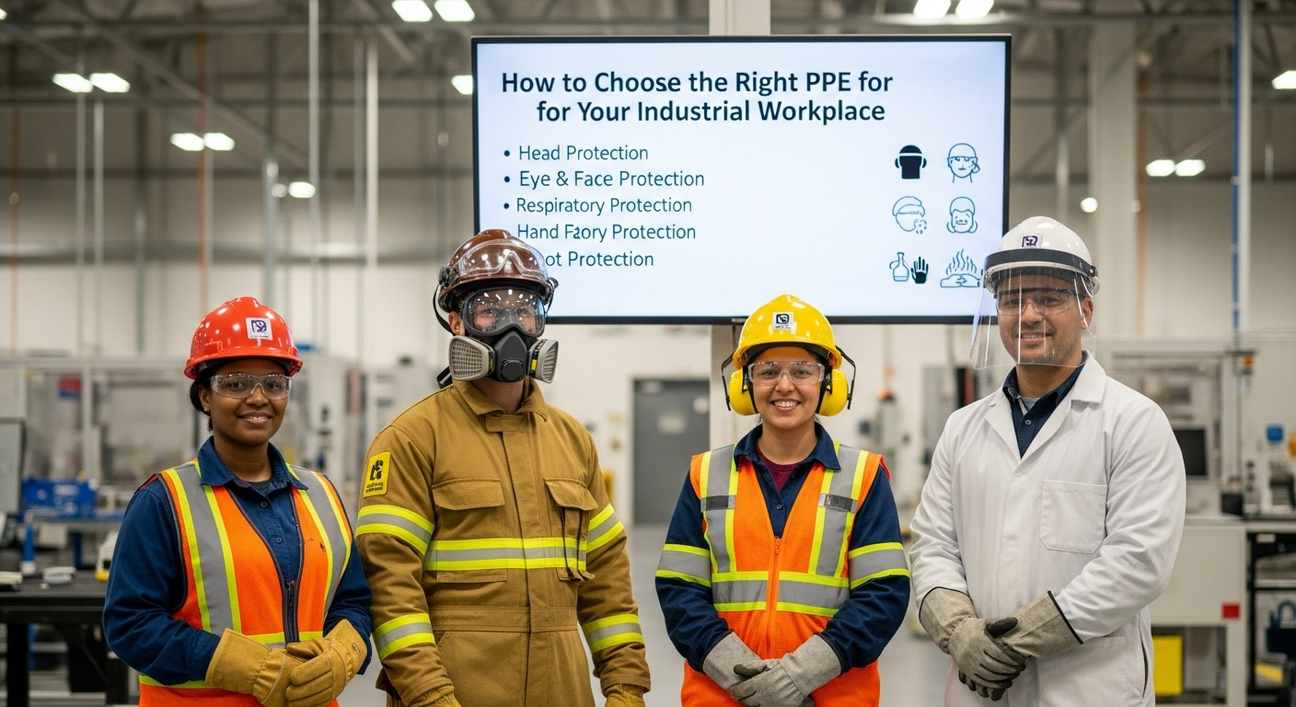
Personal protective equipment (PPE) refers to tools and gear that protect workers from hazards. This includes helmets, gloves, eye protection, respiratory gear, and high-visibility clothing. The right PPE reduces injuries caused by:
Mechanical hazards like moving machinery
Electrical hazards
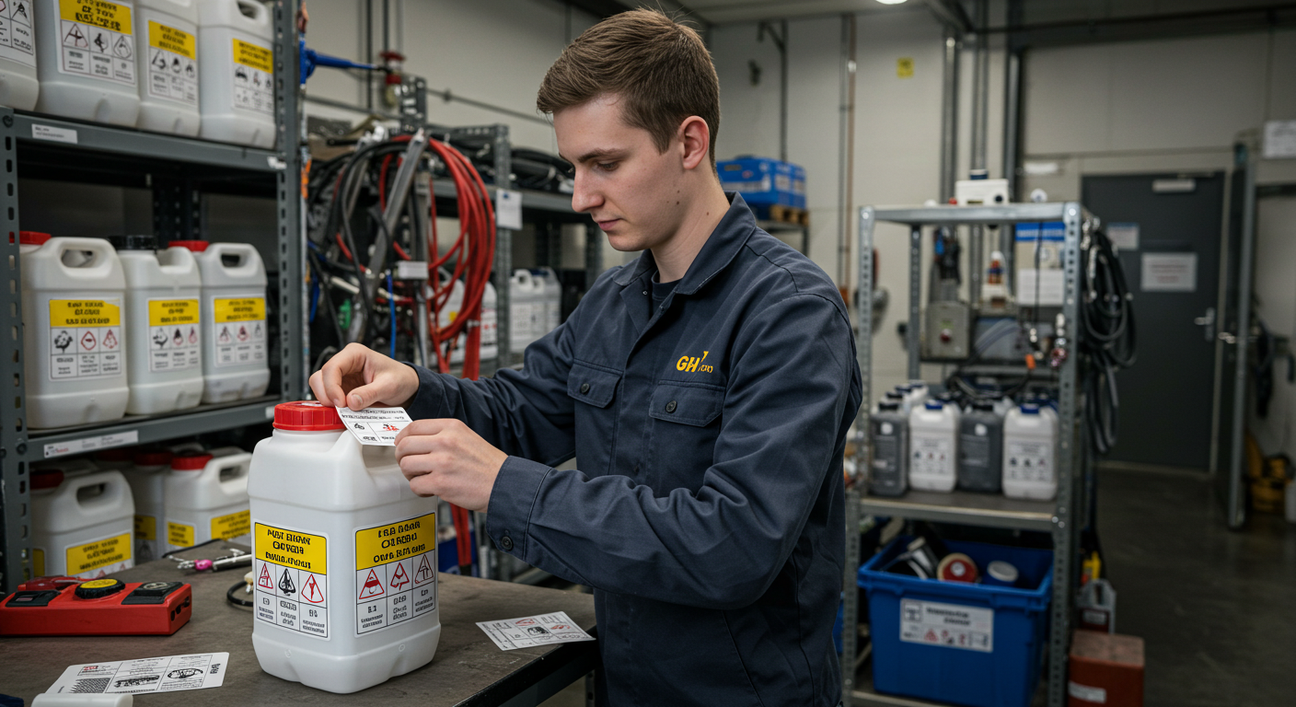
Chemical spills and exposure
Falling objects or slips
Understanding the purpose of PPE is the first step in making smart choices. Using quality workplace protective equipment improves overall safety culture and compliance with regulations.
Assessing Workplace Hazards
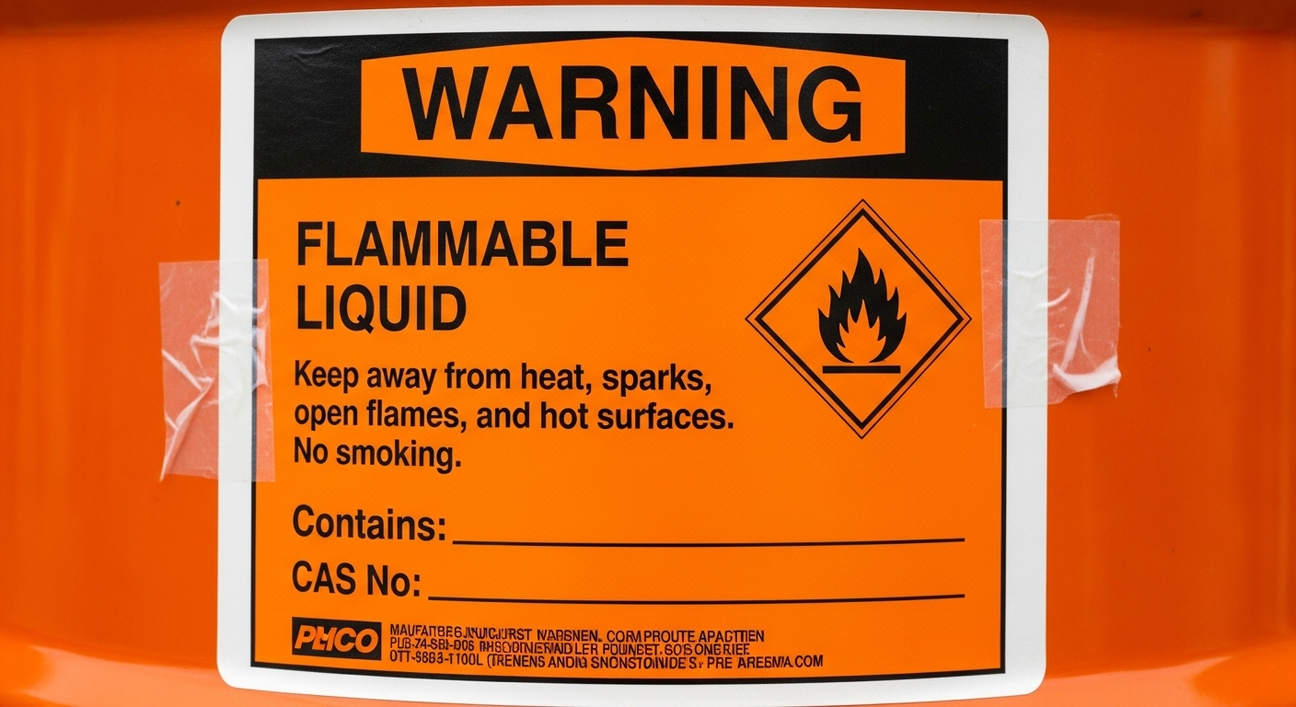
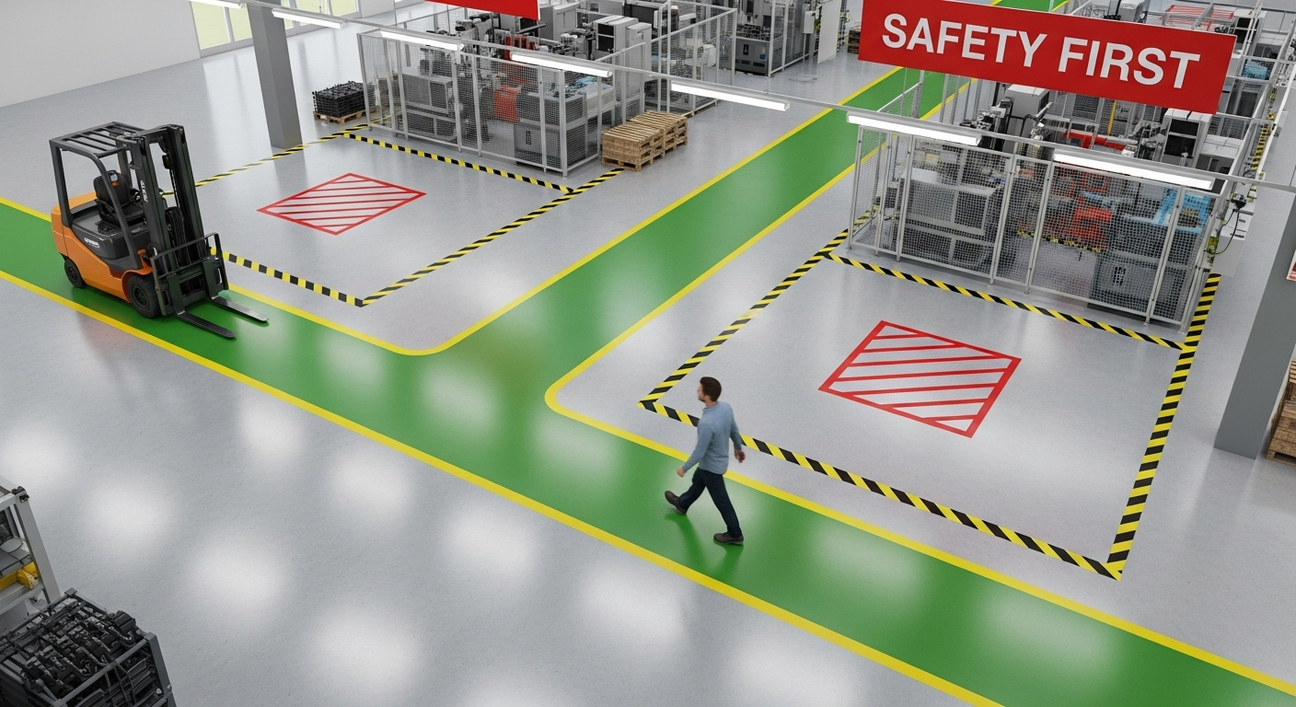
Before buying any PPE, assess your workplace to identify risks. Walk through the facility and note areas where injuries could occur. Common hazards include:
High noise zones
Chemical handling stations
Areas with moving or heavy machinery
High or elevated work areas
This step helps you match the correct industrial safety PPE to the right tasks, avoiding under- or over-protection.
Head Protection
Head injuries can be severe or life-threatening. Hard hats and bump caps are essential for areas with falling objects or low ceilings.
PPE selection guide for head protection:
Choose materials suitable for your environment (plastic, fiberglass, or composite).
Ensure proper fit and adjustability.
Look for added features like ventilation or sweatbands for comfort.
Regular inspection and replacement of cracked or damaged hard hats are crucial for ongoing protection.
Eye and Face Protection
Eye injuries are common in industrial workplaces. Dust, sparks, and chemicals can cause permanent damage if workers don’t wear the proper industrial safety gear.
Safety glasses and goggles: Ideal for general protection against debris and chemicals.
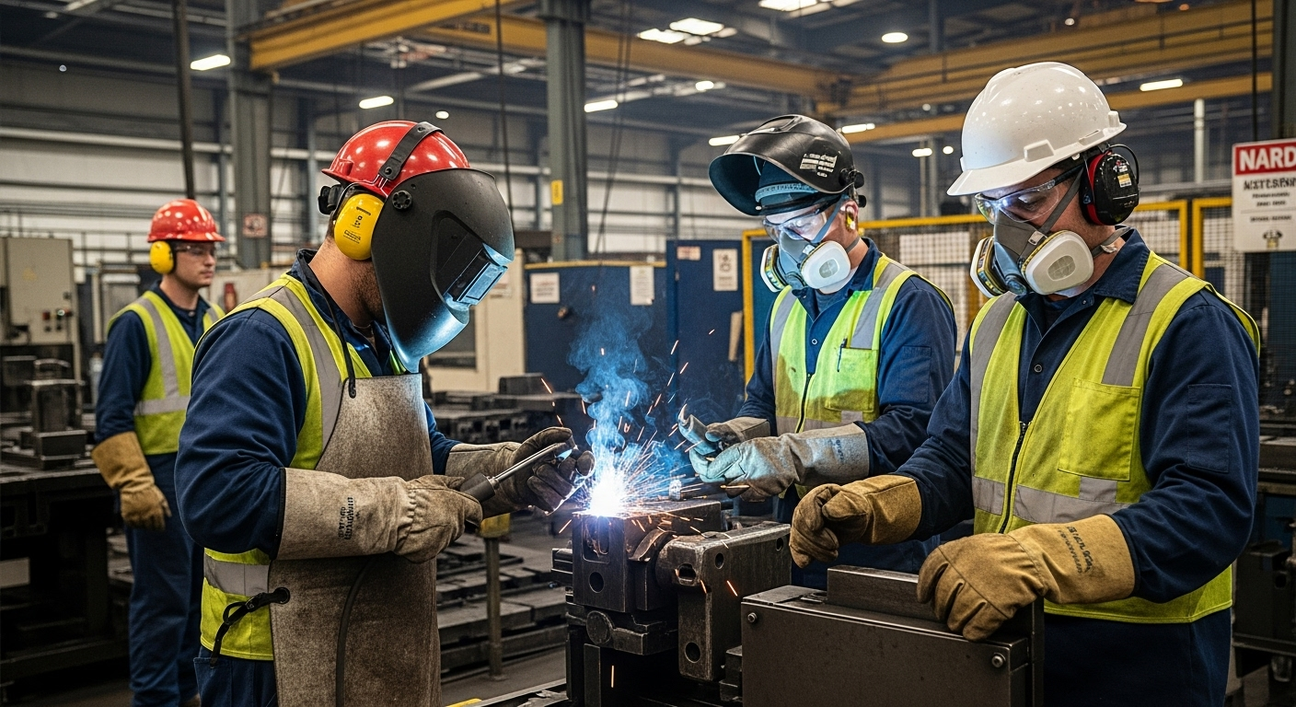
Face shields: Perfect for welding, grinding, or handling hot materials.
Choose clear, scratch-resistant lenses with a secure fit to keep vision unobstructed. Proper PPE selection ensures workers can see clearly while staying protected.
Hearing Protection

High-decibel environments can lead to permanent hearing loss. Earplugs and earmuffs protect workers from continuous loud noise.
Earplugs are convenient for extended shifts.
Earmuffs offer higher noise reduction for extremely loud machinery.
Assess noise levels before purchasing and train workers on proper use to maximize protection.
Hand and Arm Protection
Hands are vulnerable in industrial settings. Choosing the right gloves is vital:
Cut-resistant gloves: For handling sharp tools or metals.
Heat-resistant gloves: For hot surfaces or welding.
Chemical-resistant gloves: For handling hazardous materials.
Proper fit is essential. Ill-fitting gloves can reduce dexterity and increase the risk of accidents.
Respiratory Protection
Dust, fumes, and smoke are common in industrial workplaces. Respirators or dust masks protect the lungs from harmful particles.
Dust masks: Suitable for light dust exposure.
Respirators: Necessary for chemical fumes, paint, or heavy dust.
Proper PPE buying tips include checking certifications and ensuring a snug, comfortable fit for extended use.
Foot Protection
Foot injuries are a serious concern in industrial environments. Safety shoes and boots provide protection against falling objects, sharp items, and slips.
Steel toe shoes: Maximum protection for heavy impacts.
Composite toe shoes: Lighter but still strong.
Slip-resistant soles: Reduce falls on wet or oily floors.
Choosing the right footwear based on the workplace hazards is critical.
Body and High-Visibility Protection
Protecting the torso and making workers visible is important in busy industrial environments.
Coveralls and flame-resistant clothing: Protect against sparks, heat, and chemical spills.
High-visibility vests and clothing: Help workers stay visible near moving machinery or vehicles.
PPE selection guide includes choosing materials that are both durable and comfortable to encourage consistent use.
Fall Protection
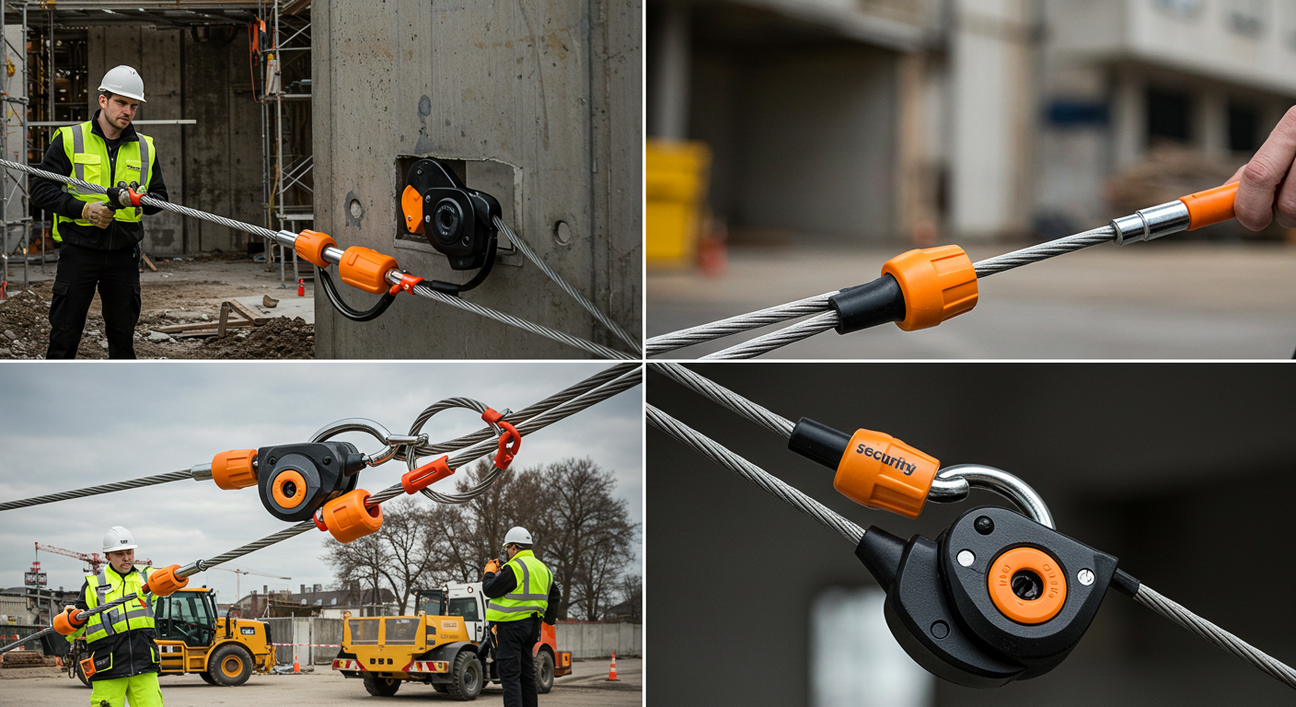
Falls from heights can be deadly. Harnesses, lanyards, and anchor points provide necessary protection.
Ensure workers are trained in proper harness use.
Inspect equipment regularly for wear or damage.
Choose gear suitable for the height and type of work being performed.
Fall protection is a vital part of workplace protective equipment for elevated tasks.
Choosing PPE Based on Job Roles
Not every worker needs the same gear. Evaluate job roles to determine required PPE:
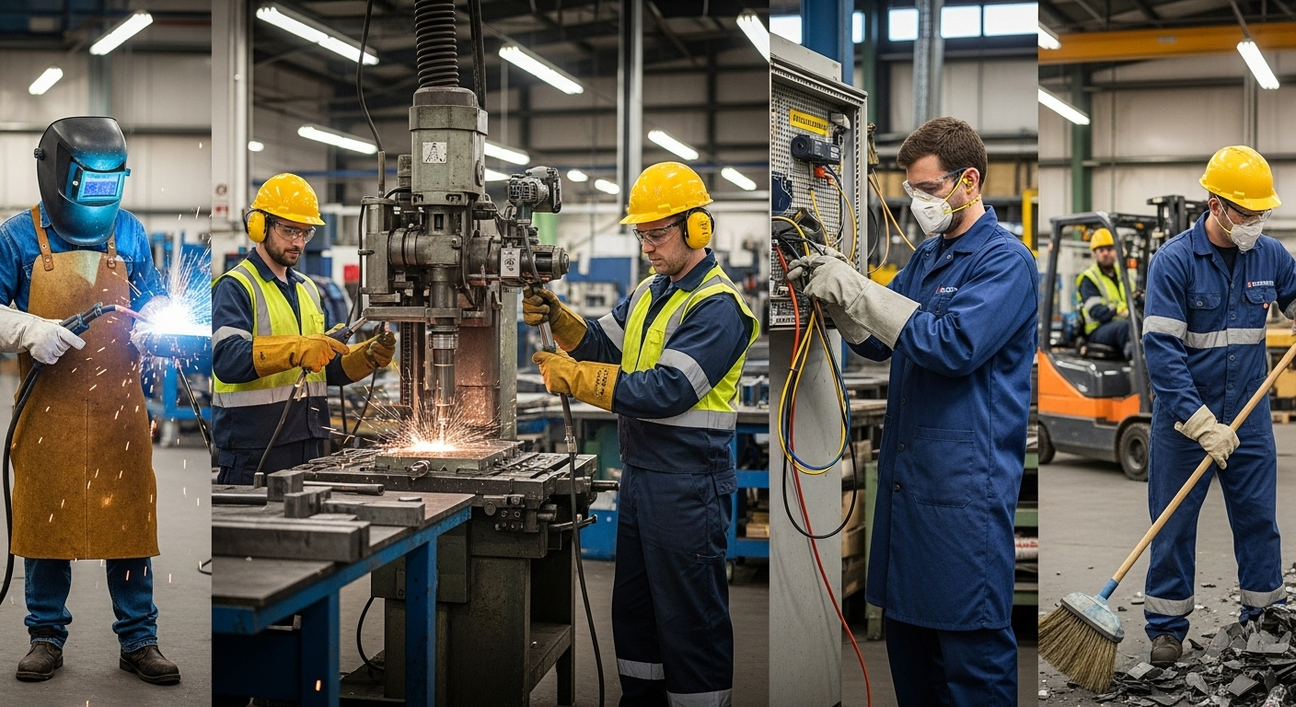
Machine operators: Hard hats, gloves, eye protection, safety shoes
Welders: Face shields, flame-resistant clothing, gloves
Electricians: Insulated gloves, safety shoes, eye protection
Combining the right items ensures complete coverage without overloading workers.
Fit, Comfort, and Usability
Even the best industrial safety PPE fails if it is uncomfortable. Proper fit and ergonomics matter:
Allow for movement and flexibility
Avoid overly tight or loose gear
Encourage employee feedback for comfort improvements
Comfortable PPE increases compliance and workplace safety.
Maintenance and Replacement of PPE
Proper care prolongs the life of PPE and ensures protection:
Clean gear regularly according to manufacturer instructions
Store in dry, safe locations
Replace any worn, damaged, or expired equipment promptly
Maintenance is part of responsible PPE management and keeps safety standards high.
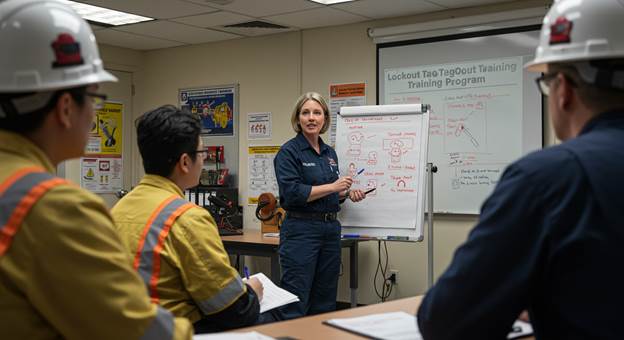
Training and Worker Awareness
Training workers on PPE use is essential. Topics should include:
How to wear and remove gear correctly
When to use specific items
How to inspect and care for PPE
A culture of awareness and proper training reduces accidents and boosts confidence.
Budget and Quality Considerations
While cost is a factor, safety should come first. Investing in high-quality industrial safety gear pays off by preventing injuries and downtime.
PPE buying tips:
Look for certified, durable equipment
Consider total cost of ownership, including replacement and maintenance
Balance cost with protection, comfort, and usability
Conclusion

Choosing the right industrial PPE protects workers, prevents accidents, and improves productivity. By assessing hazards, selecting task-appropriate gear, and maintaining it correctly, workplaces can stay safe and efficient. Following a PPE selection guide and using quality workplace protective equipment ensures employees can work confidently, and companies can meet safety standards.
Brands like Archford provide trusted industrial safety gear that fits a wide range of industrial tasks, making the PPE buying process simple and reliable.
FAQs
What is industrial PPE?
Industrial PPE is protective gear designed to keep workers safe from hazards like falling objects, chemicals, or loud noise in industrial environments.
Why is PPE important in the workplace?
It prevents injuries, reduces downtime, ensures compliance with safety regulations, and allows workers to perform tasks confidently.
How do I choose the right PPE?
Assess workplace hazards, consider job roles, ensure proper fit and comfort, and invest in durable, certified equipment.
What are the essential types of PPE?
Head protection, eye and face protection, hearing protection, gloves, respiratory protection, safety footwear, body protection, high-visibility clothing, and fall protection.
How should PPE be maintained?
Clean it regularly, store in dry areas, inspect before use, and replace any worn or damaged items promptly.