

Essential PPE Every Industrial Worker Needs
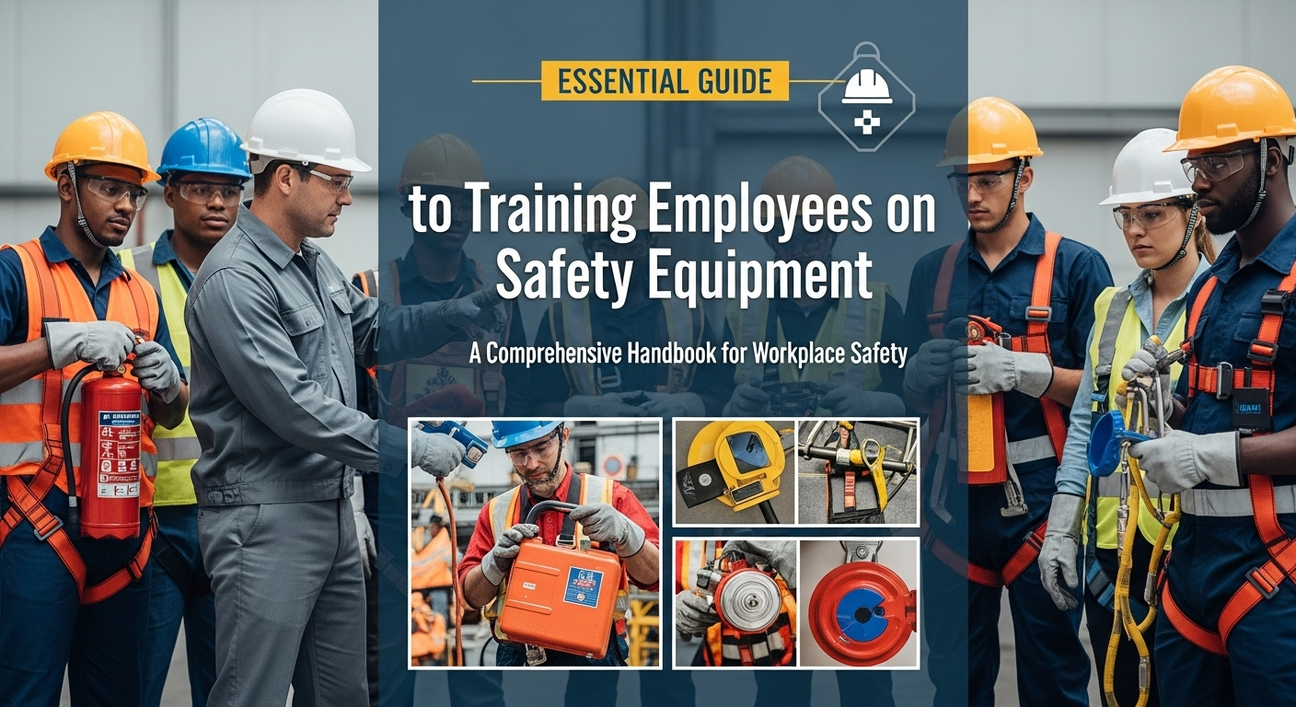
Safety is always the number one priority in industrial workplaces. With machines, heavy tools, chemicals, and busy environments, workers face many risks every day. Using the right industrial PPE helps prevent injuries and keeps the workplace running smoothly. Many accidents happen because workers do not have proper personal protective equipment, so knowing what to use and when to use it is critical.
Brands like Archford provide reliable and durable workplace safety equipment that makes it easier for teams to stay protected and productive. In this guide, we will discuss the essential PPE every industrial worker needs, how to choose it, and practical tips for keeping it effective.
What PPE Is and Why It’s Needed
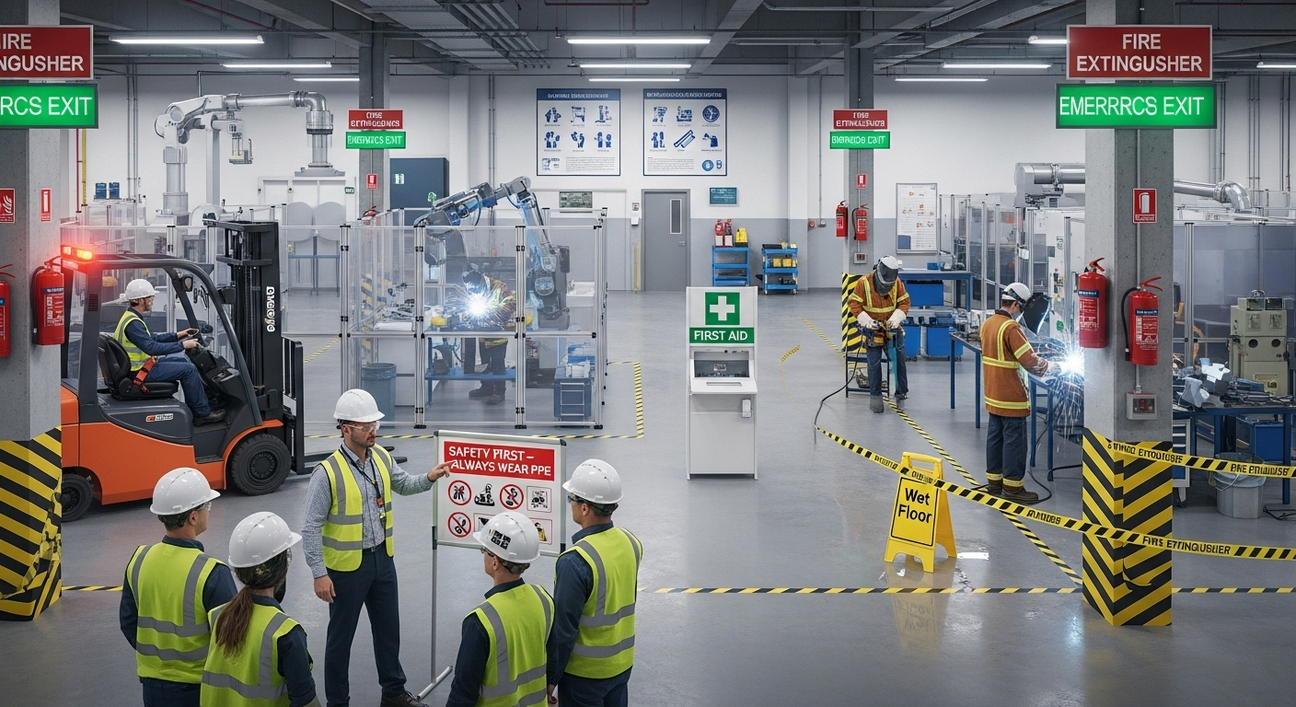
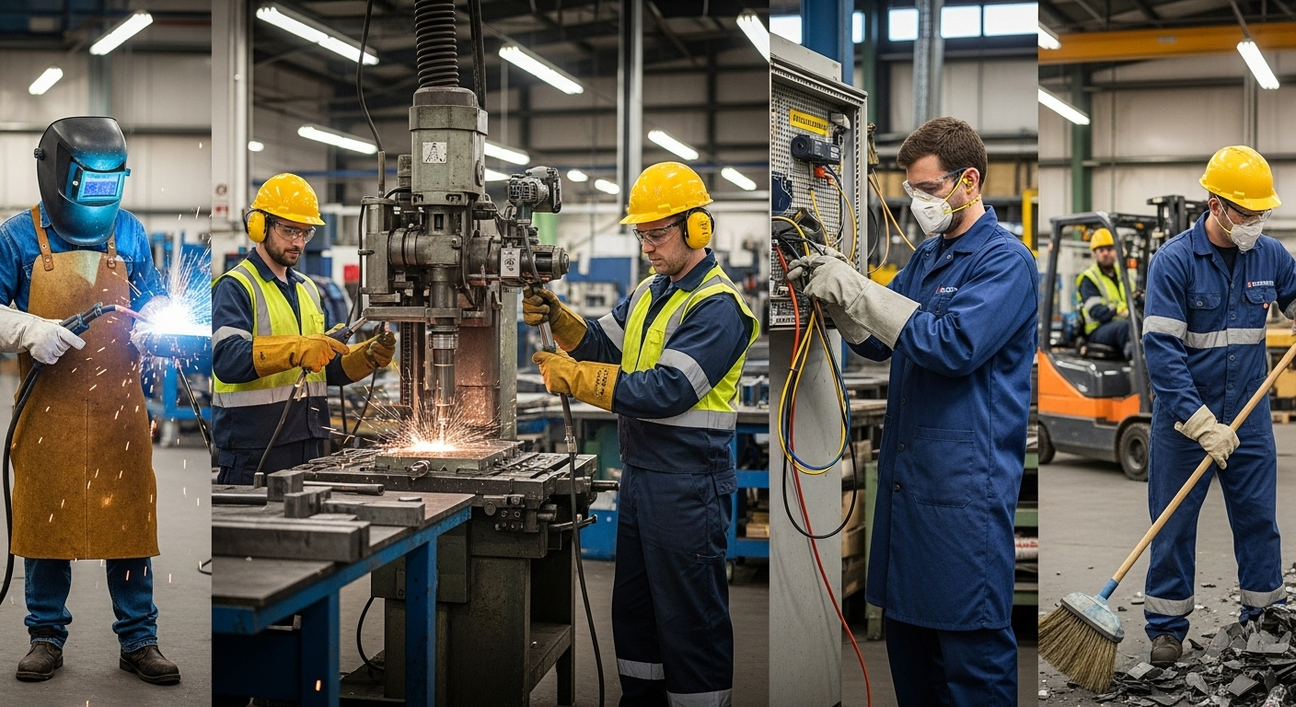
Personal protective equipment (PPE) refers to gear that protects workers from potential hazards. Industrial workplaces have a wide variety of risks:
Heavy machinery and moving equipment
Falling objects or tools
Loud noises
Dust, smoke, or chemical fumes
Hot surfaces and sparks
Without proper industrial safety PPE, even simple tasks can lead to serious injuries. PPE not only protects the worker but also helps companies avoid downtime, fines, and workplace accidents. Using strong and durable safety gear improves safety culture and shows employees that their wellbeing matters.
Head Protection
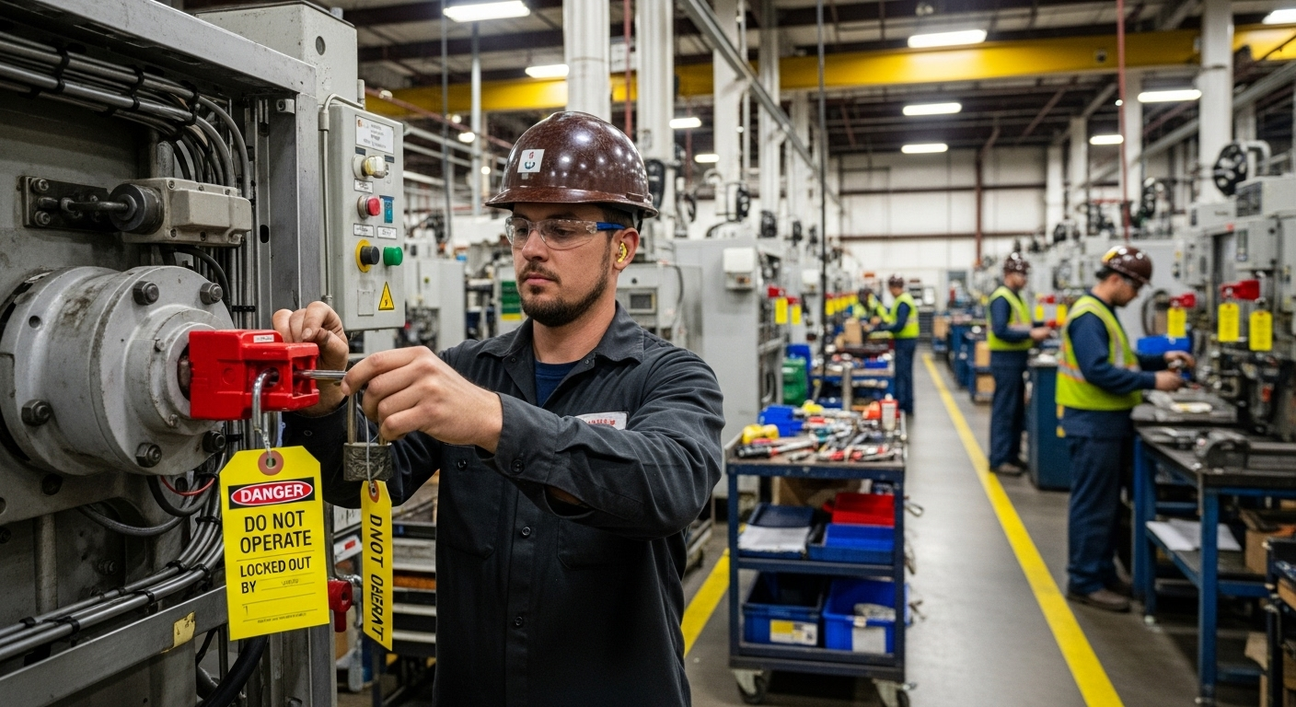
Head injuries are common in industrial settings. A bump or falling object can cause serious harm. Hard hats are the first line of defense against such accidents.
When to wear: Hard hats should be worn in areas with overhead hazards, construction zones, warehouses, and manufacturing plants.
Key features: Look for hard hats that are lightweight, adjustable, and meet safety standards. Some models have built-in sweatbands or ventilation for comfort.
Always inspect hard hats before each use and replace them if they crack, dent, or show wear. Proper head protection is one of the simplest ways to reduce serious injuries in the workplace.
Eye and Face Protection

Eyes are very vulnerable. Sparks from welding, dust from cutting, or chemicals from cleaning solutions can cause permanent damage. Safety glasses and face shields protect against these hazards.
Safety glasses: Ideal for general tasks like cutting, grinding, or handling chemicals. They should fit snugly and offer clear, scratch-resistant lenses.
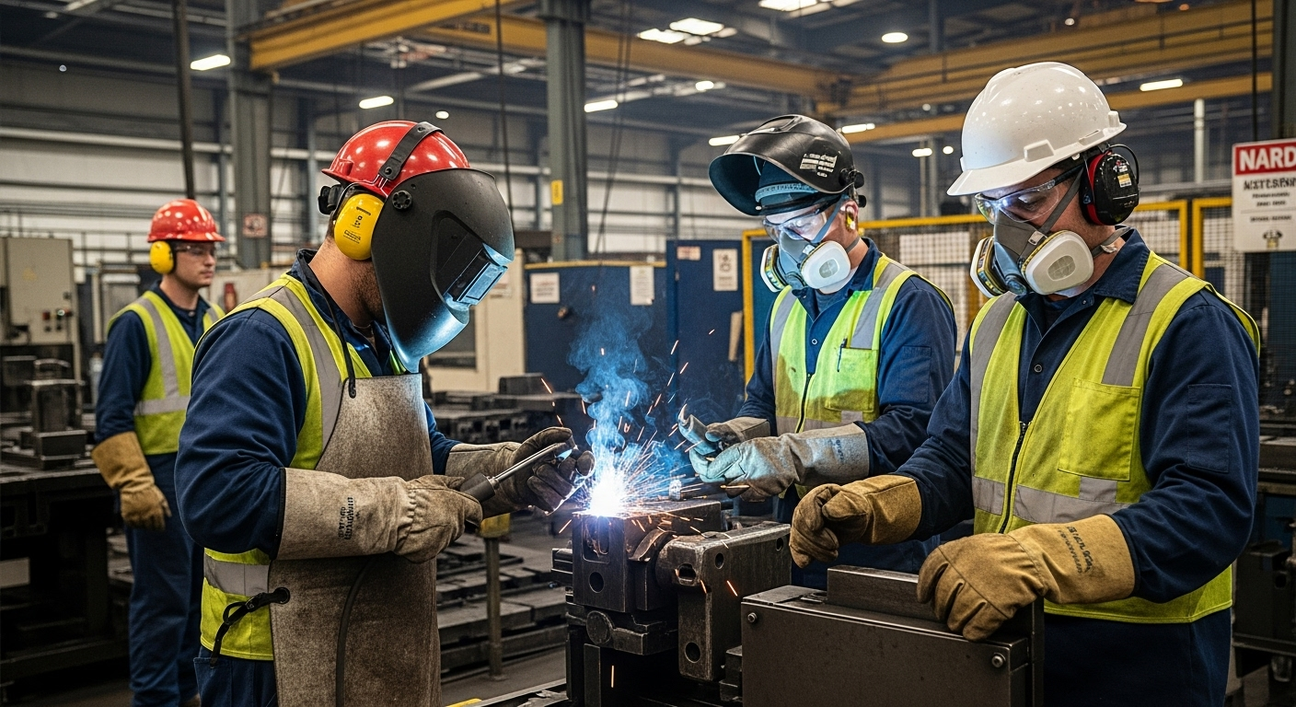
Face shields: Perfect for tasks where sparks or large debris may fly, such as welding or grinding.
Investing in durable custom PPE like branded Archford safety glasses ensures long-lasting protection in tough conditions.
Hearing Protection
Industrial environments are often noisy, with machinery running all day. Long-term exposure to high noise levels can cause hearing loss.
Earplugs: Great for workers in consistently loud environments. Disposable or reusable earplugs fit easily in the ear canal.
Earmuffs: Better for extremely loud areas like factories with presses or heavy machinery. They cover the entire ear and provide higher noise reduction.
Regular hearing checks and proper use of hearing PPE prevent permanent hearing damage.
Hand Protection
Hands are involved in nearly every industrial task, making them vulnerable to cuts, burns, and chemical exposure. Safety gloves protect workers from injuries while handling sharp, hot, or hazardous items.
Cut-resistant gloves: Perfect for handling metals or sharp tools.
Heat-resistant gloves: Useful in welding or hot material handling.
Chemical-safe gloves: Necessary for workers dealing with cleaning agents or industrial chemicals.
Proper selection of gloves for the specific task is essential. Wearing the wrong glove may still leave hands unprotected.
Respiratory Protection
Many industrial tasks generate dust, fumes, or smoke that can harm the lungs. Respirators and dust masks are necessary for these environments.
Dust masks: Suitable for light dust exposure, like woodworking or sanding.
Respirators: Needed for chemical fumes, paint spraying, or environments with heavy dust or toxic particles.
Respiratory PPE ensures workers can breathe safely without compromising productivity.
Foot Protection
Industrial environments are filled with hazards that can injure feet, from heavy falling objects to slippery surfaces. Safety shoes are essential for protection.
Steel toe shoes: Provide maximum protection against heavy items.
Composite toe shoes: Lighter than steel but still provide strong protection.
Slip-resistant soles: Reduce accidents on wet or oily floors.
Choosing the right footwear for the specific environment is critical to prevent injuries and maintain comfort during long shifts.
Body Protection
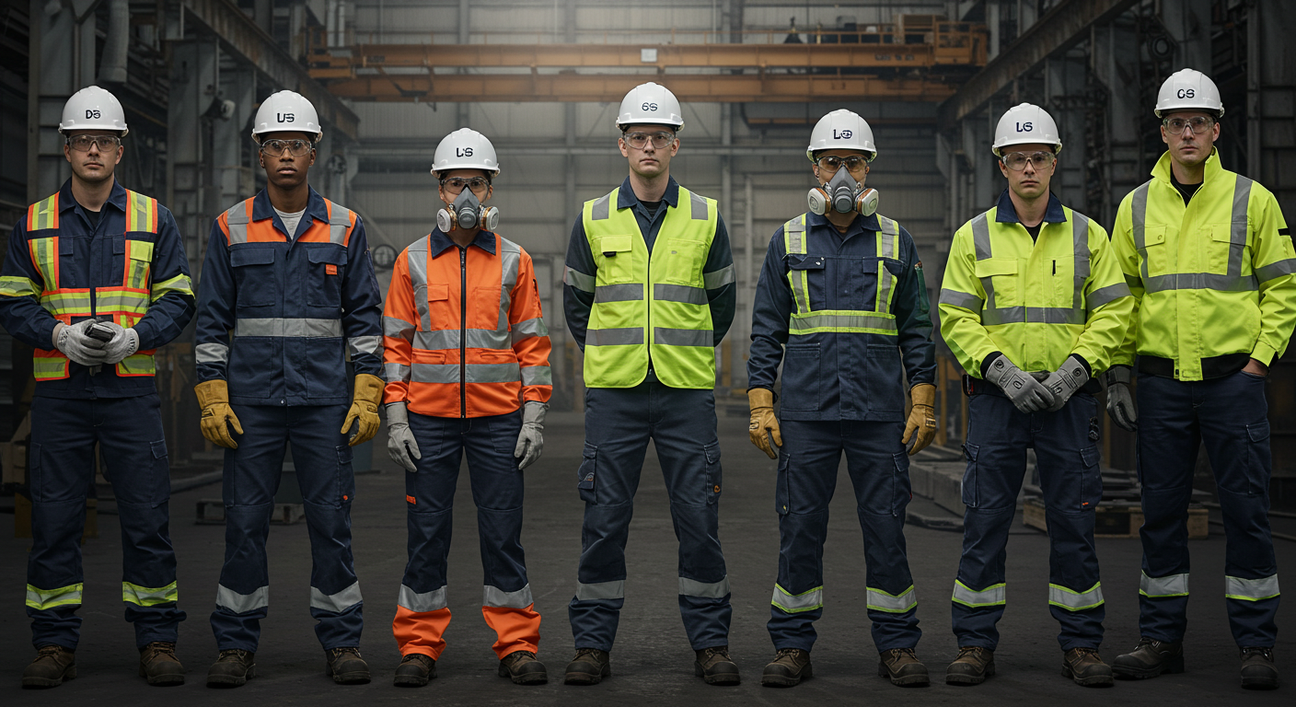
Beyond head, hands, and feet, protecting the rest of the body is equally important. Industrial workers often need coveralls, safety vests, or flame-resistant (FR) clothing.
Safety vests: Bright colors increase visibility in warehouses or construction sites.
Coveralls: Provide full-body protection from dirt, dust, and sparks.
Flame-resistant clothing: Essential for workers in welding, metal cutting, or chemical industries.
Proper body protection reduces burns, scratches, and exposure to hazardous materials.
Fall Protection
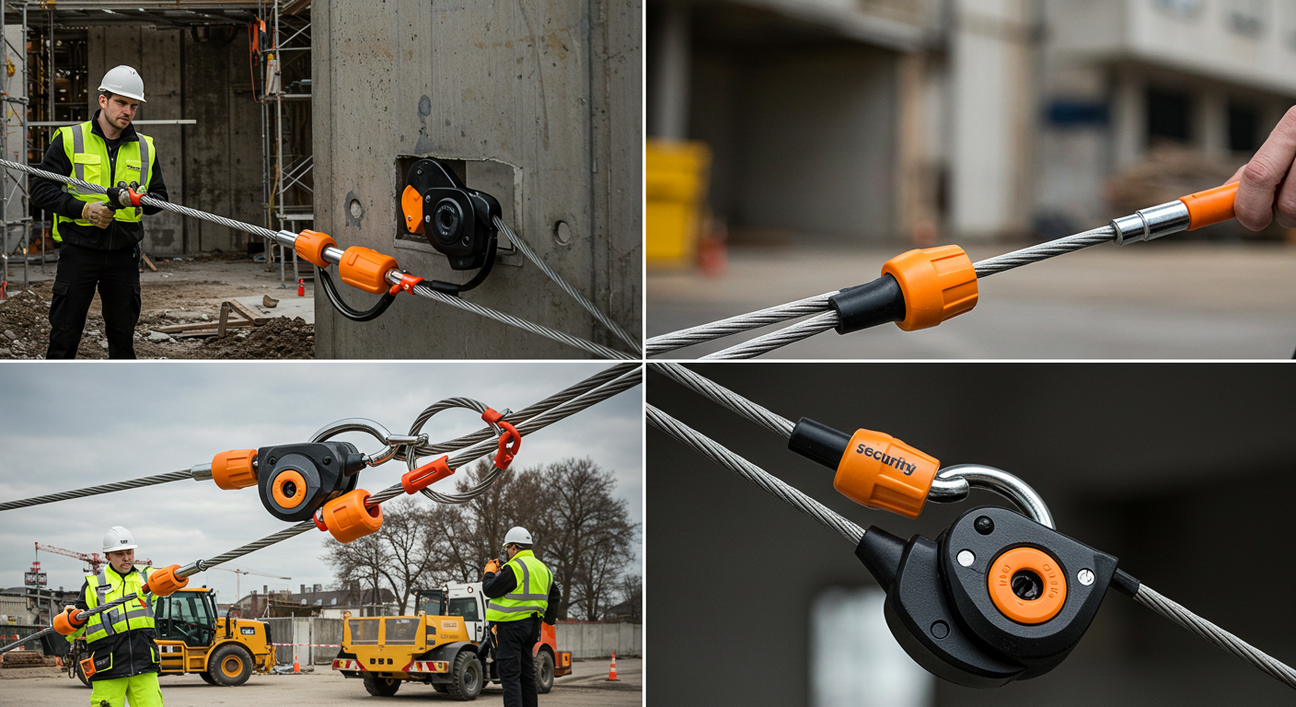
Falls are a major risk in industrial workplaces, especially on ladders, platforms, or scaffolding. Fall protection equipment includes:
Safety harnesses: Secure workers while climbing or working at heights.
Lanyards and anchors: Connect harnesses to strong anchor points.
Training on correct use is as important as the equipment itself. Proper fall protection can save lives.
High-Visibility Gear
In busy industrial areas, workers need to be seen. High-visibility clothing helps prevent accidents with forklifts, trucks, or moving machinery.
Colors: Bright neon yellow, orange, or green stand out in busy spaces.
Reflective strips: Make workers visible in low-light conditions or during night shifts.
Combining high-visibility gear with other PPE ensures maximum safety in all conditions.
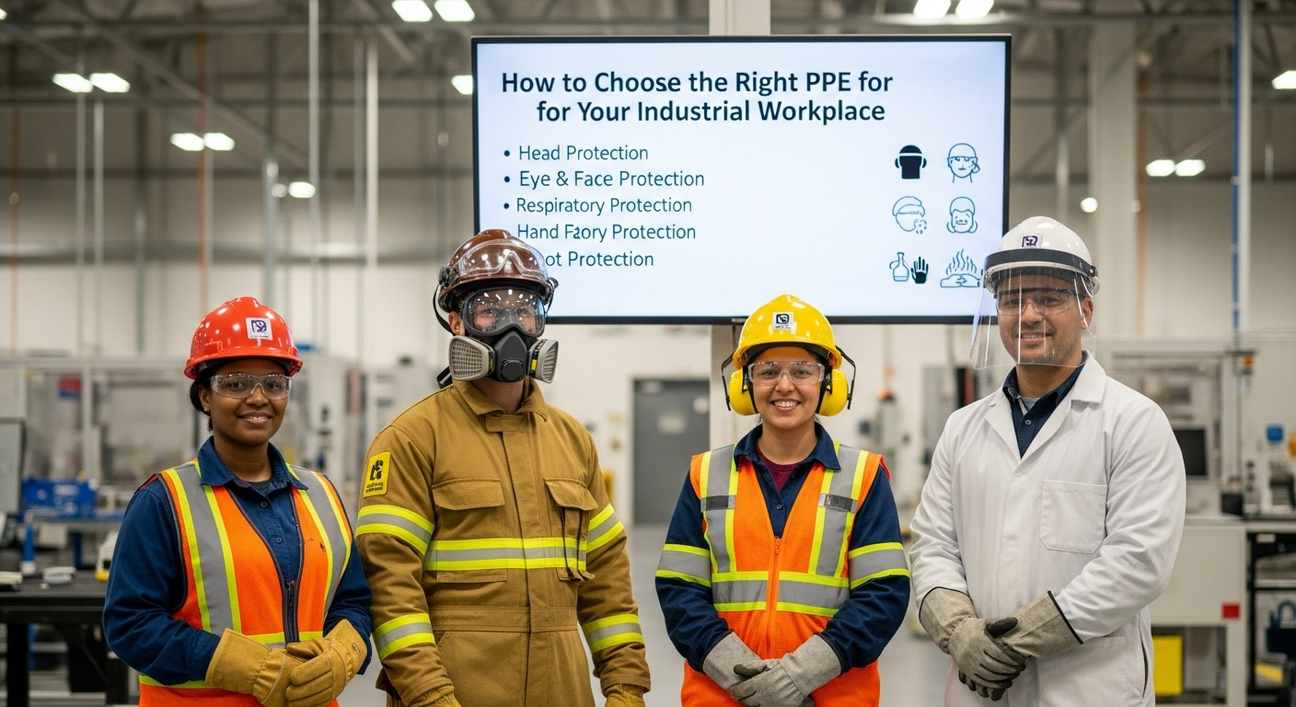
How to Choose the Right PPE
Selecting the right PPE is not just about buying gear—it’s about matching it to the job:
Assess hazards: Identify the risks in your specific workplace.
Check fit and comfort: Workers should move freely and stay comfortable all day.
Material quality: Strong, durable PPE like Archford gear lasts longer and protects better.
Comfortable and well-fitting PPE increases compliance and reduces accidents.
PPE Care and Maintenance
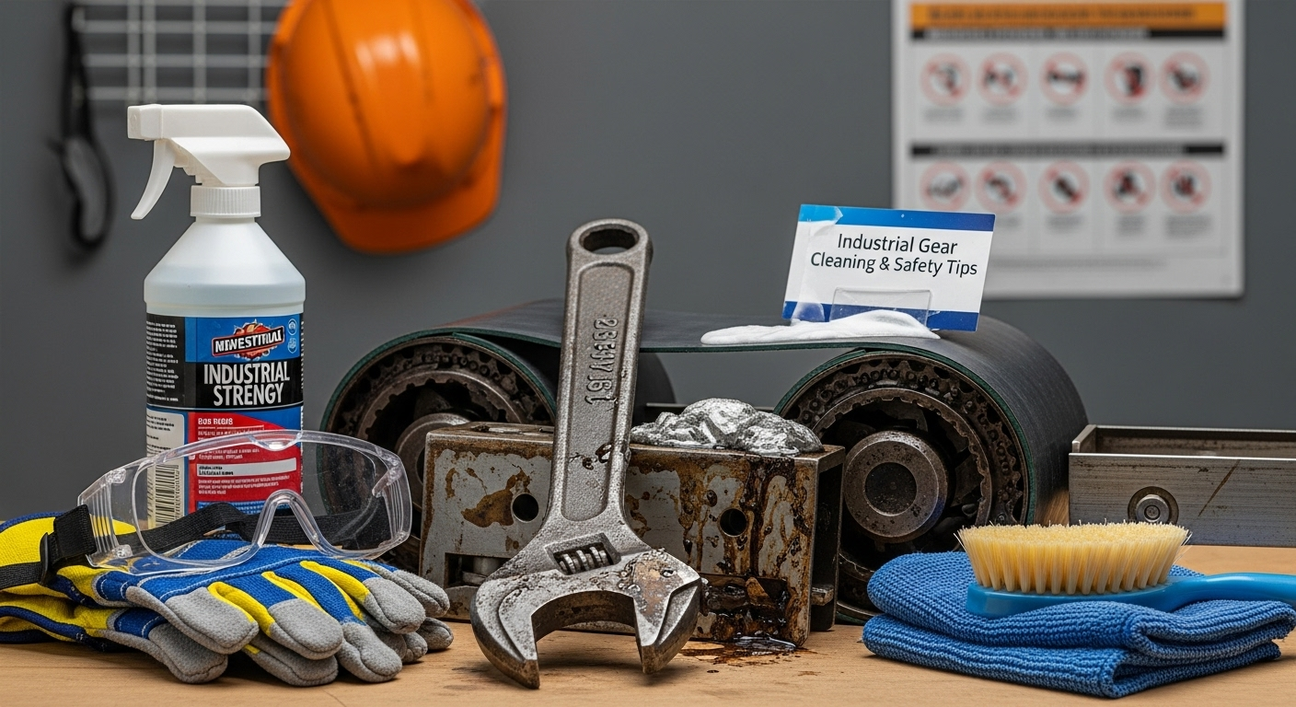
Even the best industrial safety PPE only works if it is maintained properly:
Clean regularly: Dust, oil, and chemicals can reduce protection.
Store correctly: Keep gear in dry, safe areas.
Replace damaged items: Torn gloves, scratched goggles, or cracked hard hats must be replaced immediately.
Proper maintenance extends the life of PPE and ensures it performs as expected.
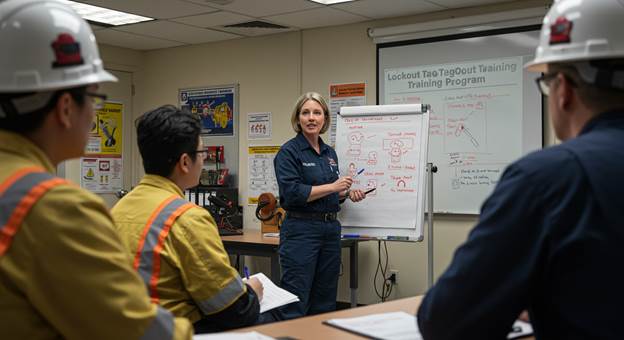
Training and Worker Awareness
Even the best PPE fails if workers don’t know how to use it. Training is key:
Teach employees which PPE to use for each task.
Demonstrate proper wearing, removal, and storage.
Conduct regular checks to ensure compliance.
Awareness combined with the right safety gear creates a strong safety culture.
Final Thoughts

The right industrial PPE protects workers from serious injuries and ensures smooth operations in industrial workplaces. From head to toe, every piece of personal protective equipment matters. Durable, high-quality gear like Archford PPE ensures workers stay safe, comfortable, and productive.
By selecting the right workplace safety equipment, maintaining it, and training employees, companies can create a safer, more confident, and more efficient workforce.
FAQs
What is industrial PPE?
Industrial PPE is protective gear used in workplaces to keep workers safe from hazards like falling objects, chemicals, or loud noise.
Why is PPE important?
It prevents injuries, protects health, and ensures employees can work safely and confidently.
What are the essential PPE items for industrial workers?
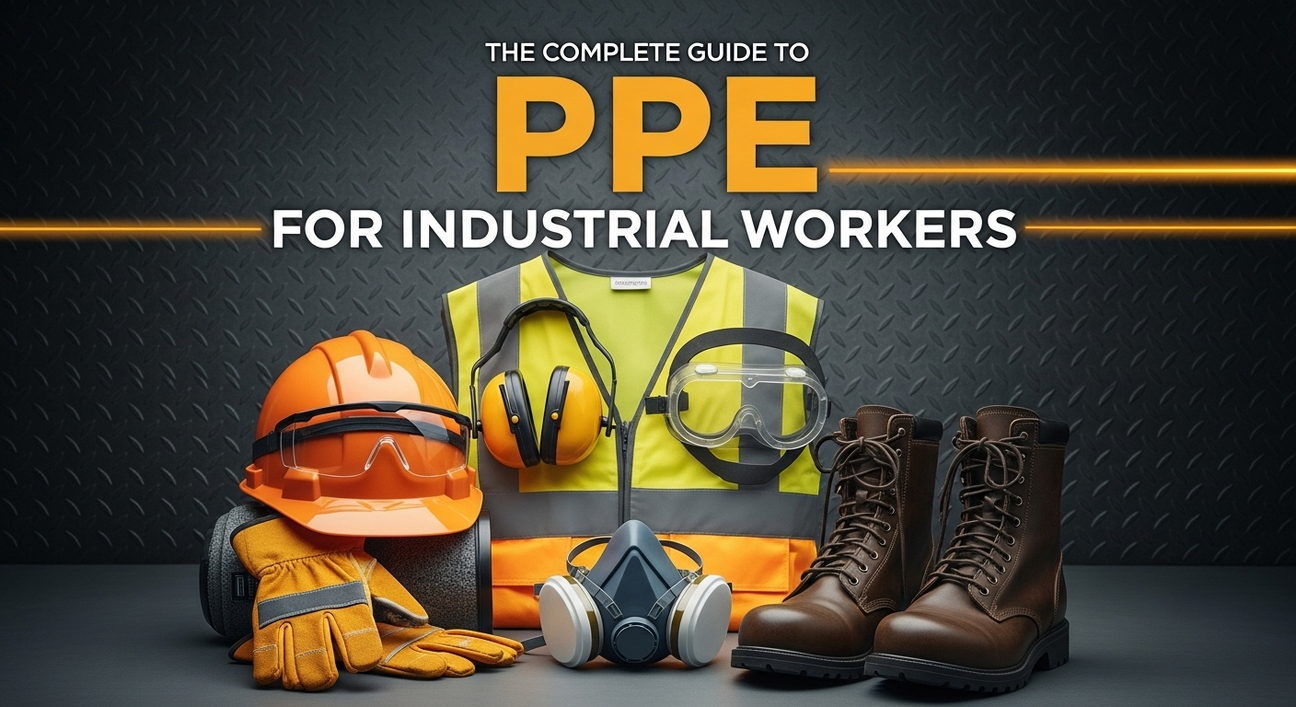
Hard hats, safety glasses, hearing protection, gloves, respirators, safety shoes, high-visibility clothing, body protection, and fall protection.
How do I choose the right PPE?
Pick gear based on workplace hazards, fit, comfort, and material durability. Always match PPE to the specific tasks performed.
How should PPE be maintained?
Clean it regularly, store it in dry areas, and replace damaged or worn items immediately.