

How Industrial Safety Reduces Workplace Accidents
Workplace accidents are a major concern for industrial facilities. From machinery mishaps to chemical exposure, unsafe practices can lead to serious injuries, downtime, and financial losses. Focusing on industrial safety helps protect employees, improve productivity, and reduce costs. By following proven workplace accident prevention strategies, companies can create a safer environment for everyone.
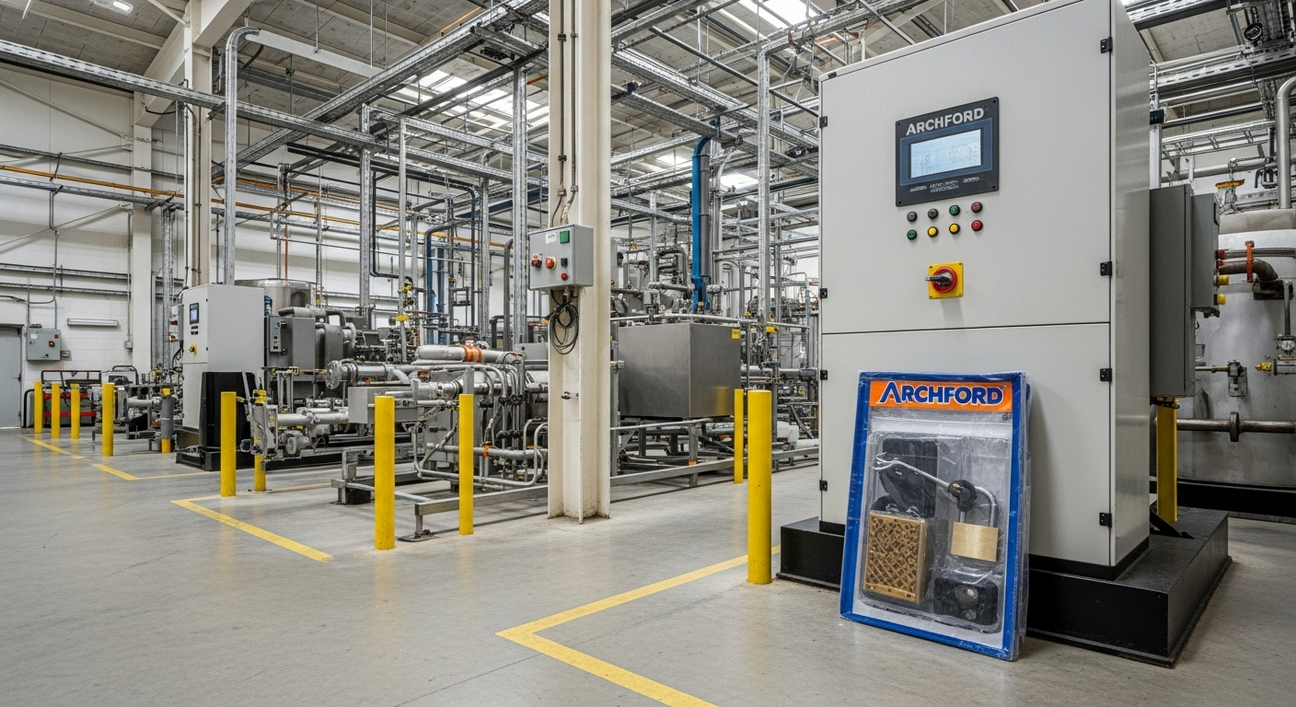
Brands like Archford provide industrial safety solutions that help facilities implement safety best practices efficiently and reliably.
Understanding Industrial Safety
Industrial safety involves procedures, equipment, and behaviors designed to minimize risks in the workplace. Common hazards include:
Mechanical: moving machinery, conveyor belts, tools
Chemical: spills, fumes, corrosive materials
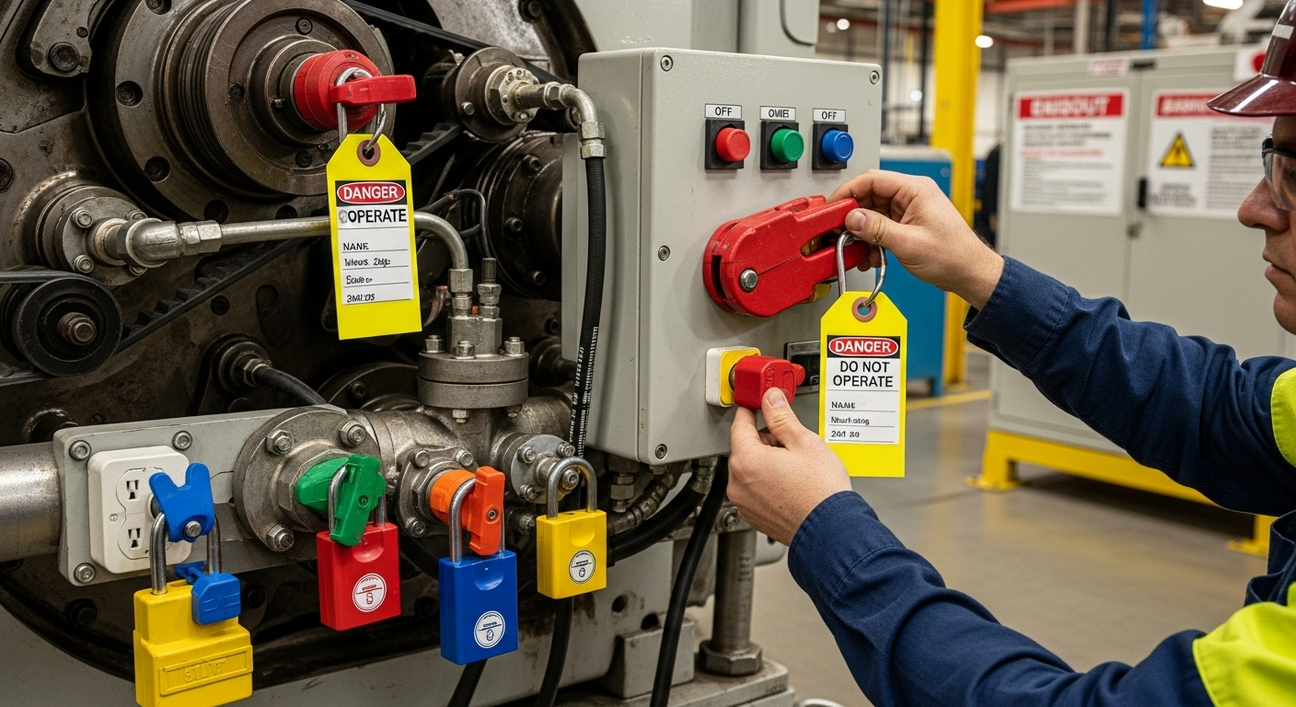
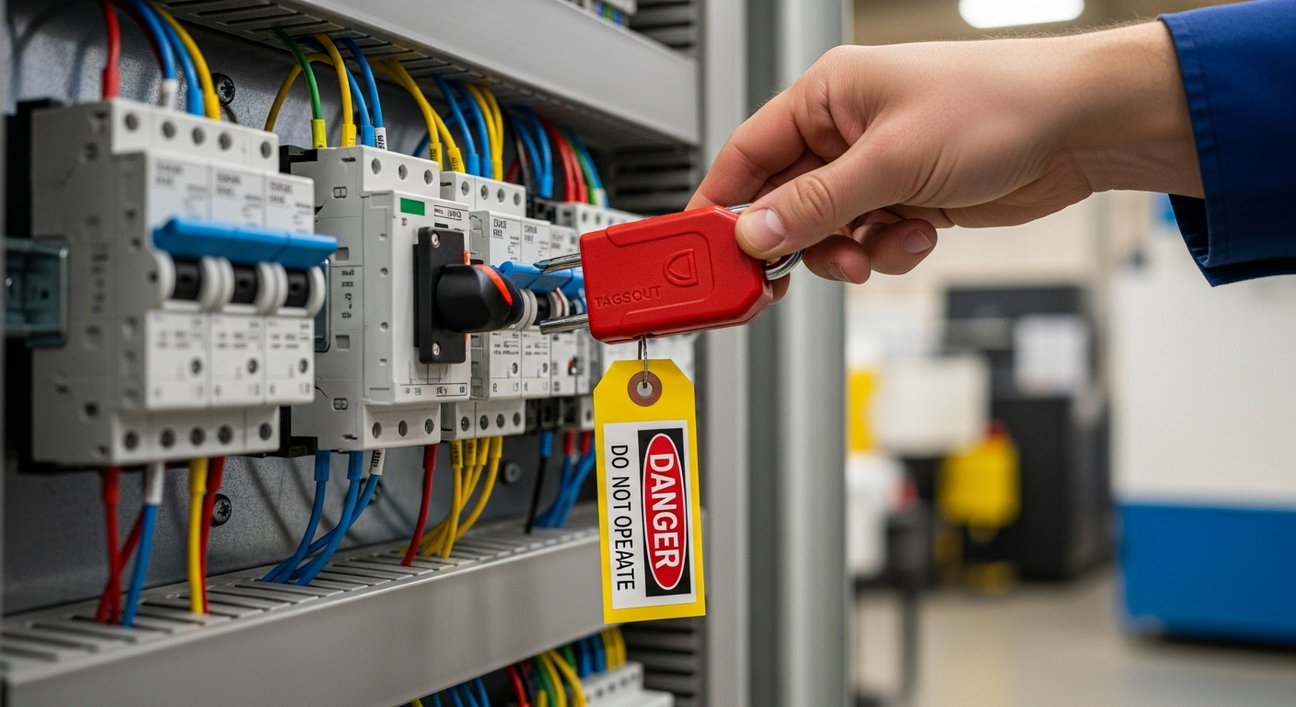
Electrical: exposed wires, faulty equipment
Ergonomic: repetitive motion, improper lifting
Environmental: slips, trips, poor lighting
Implementing facility safety tips like proper PPE usage, hazard identification, and clear protocols can significantly reduce accidents.
Workplace Risk Assessment
A strong industrial safety program starts with identifying risks. Conducting regular risk assessments helps facilities pinpoint high-risk areas and tasks. Steps include:
Inspecting machinery, tools, and storage areas
Observing employee workflow for unsafe practices
Prioritizing hazards based on severity and likelihood
Using these insights, companies can plan targeted interventions that prevent injuries and improve overall safety culture.
Safety Equipment and Protective Gear
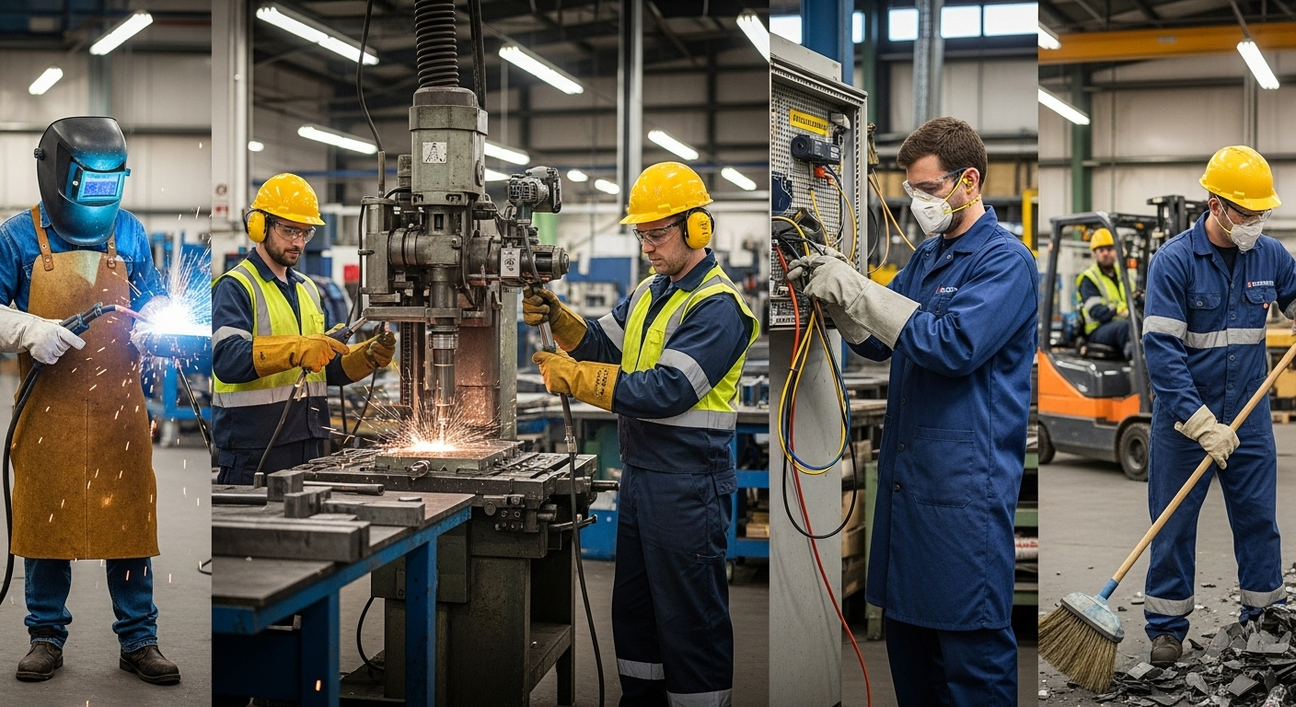
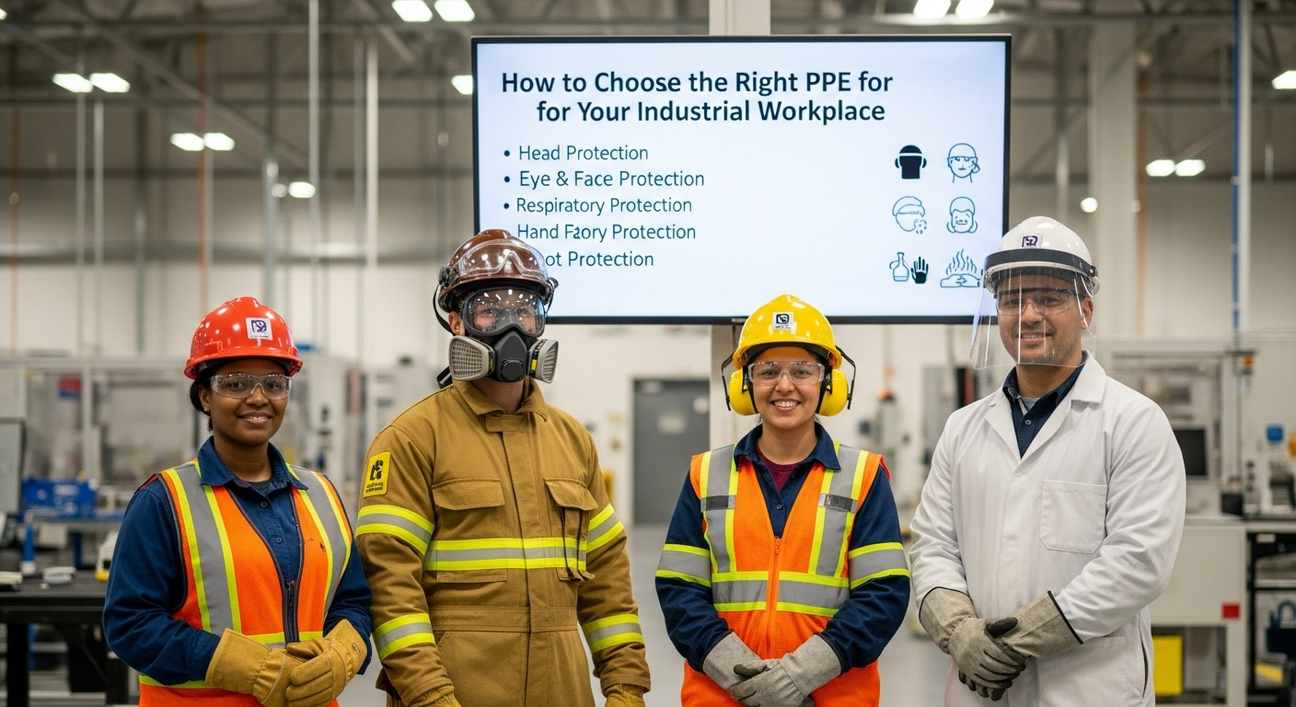
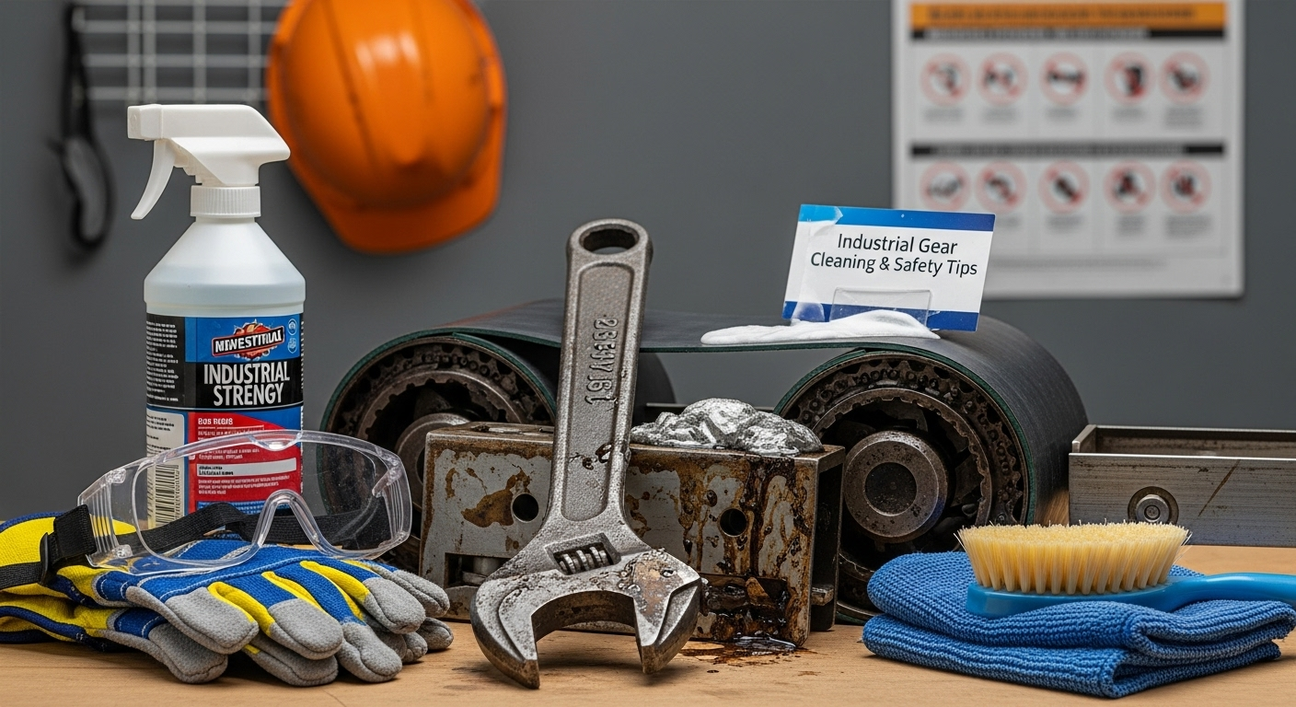
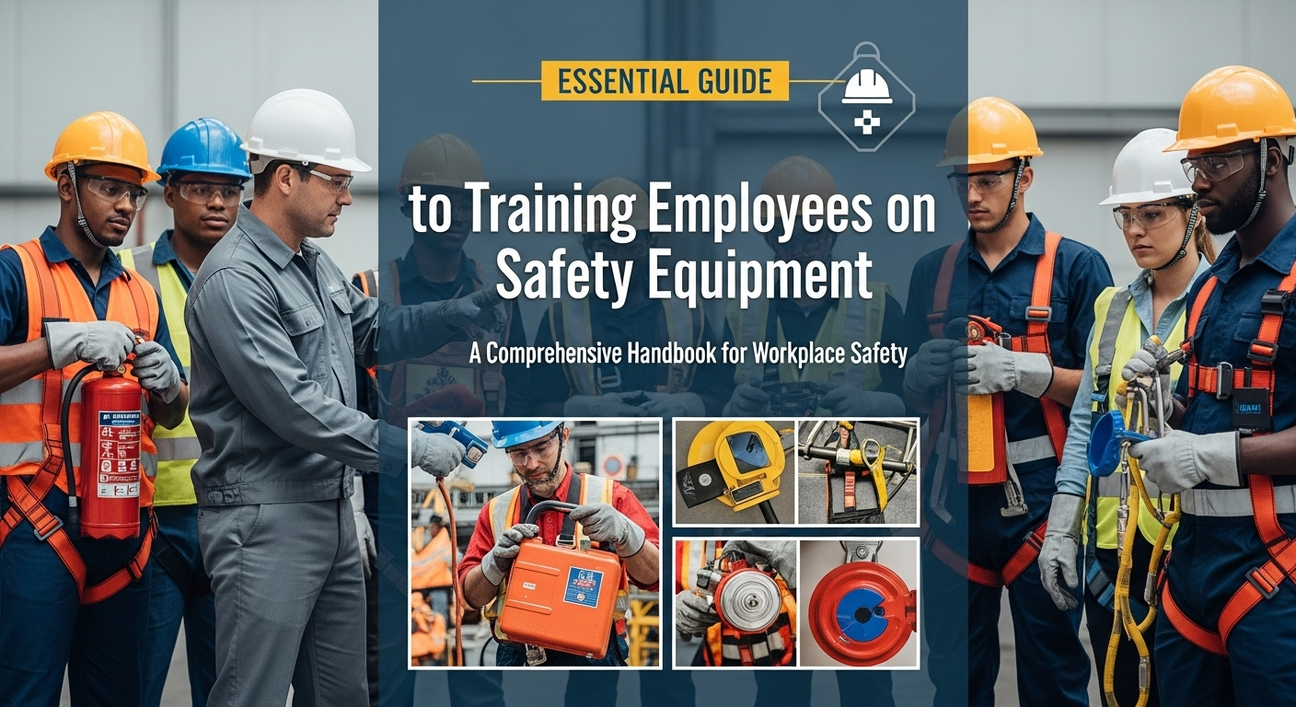
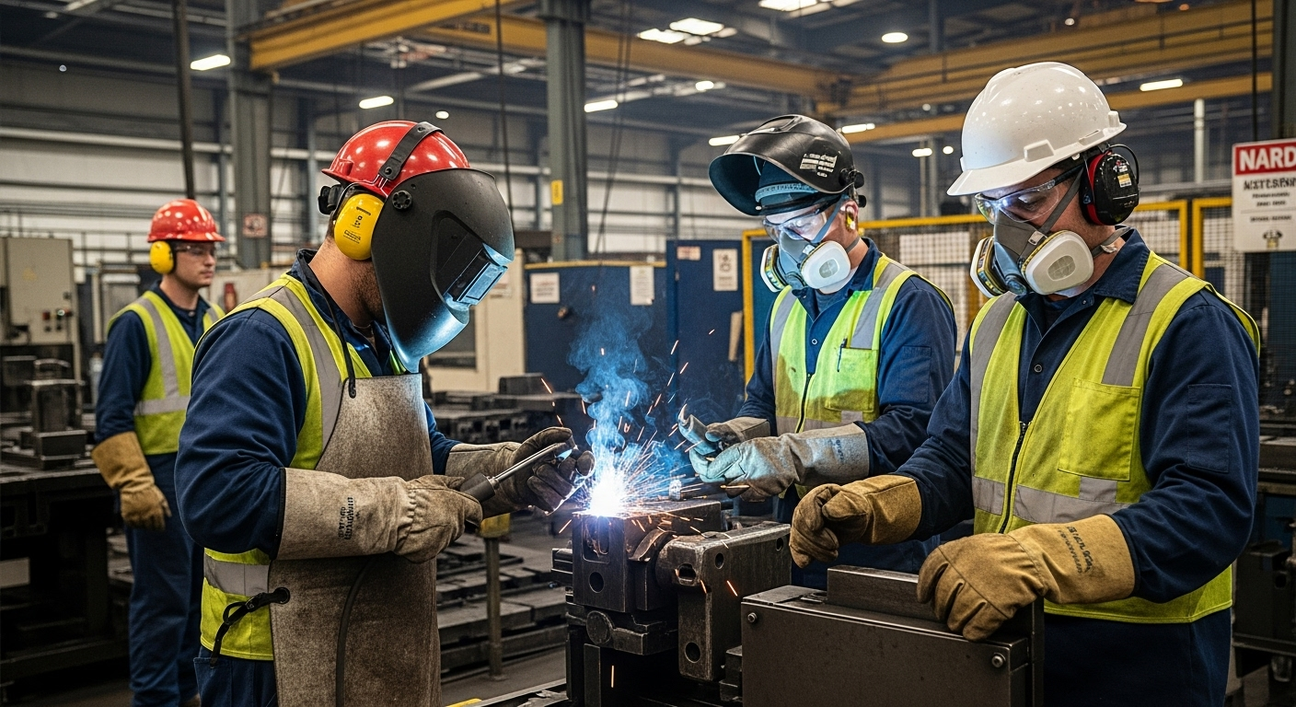
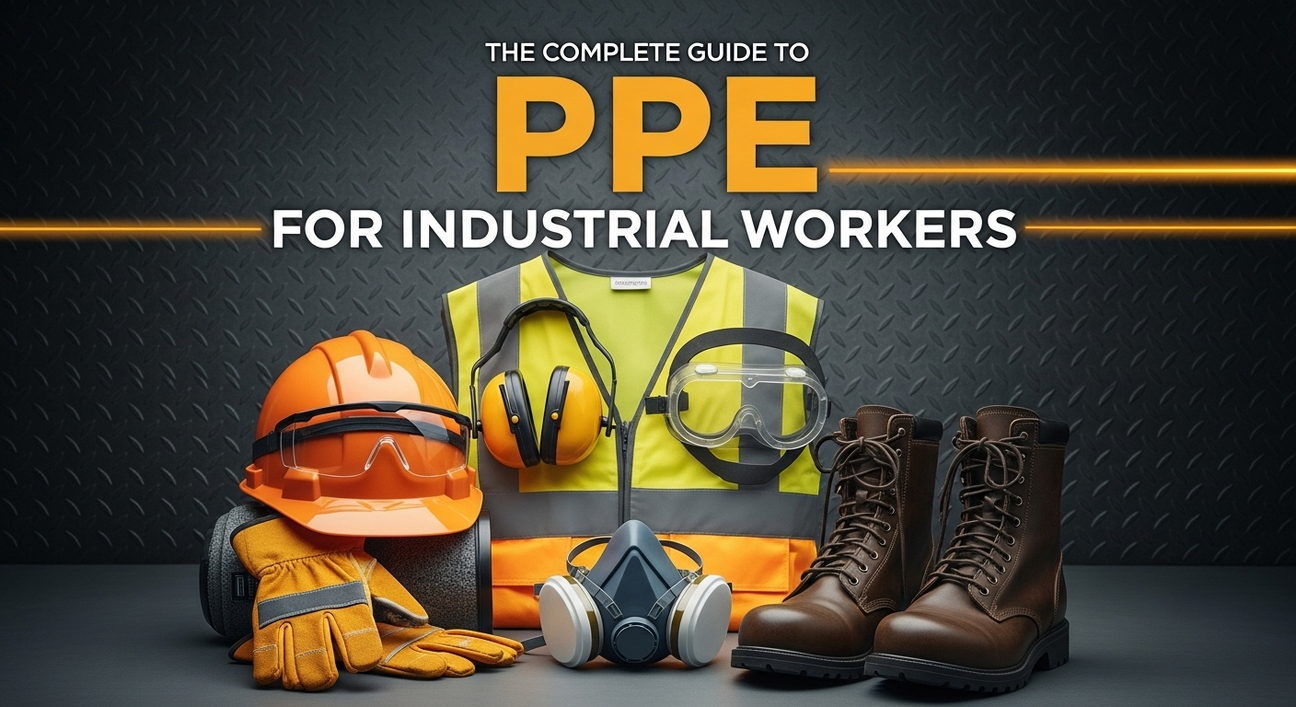
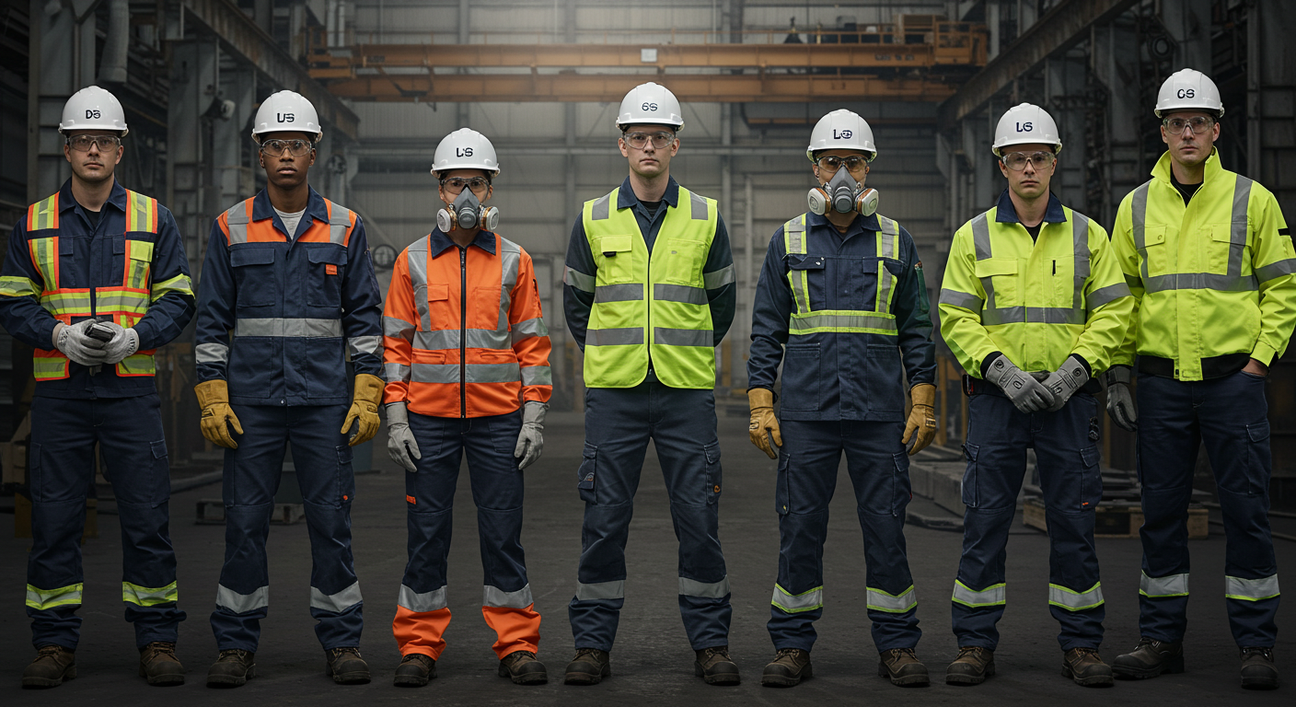
PPE is a critical component of workplace accident prevention. Proper equipment protects employees from injuries caused by impacts, chemicals, noise, or falls. Essential gear includes:
Helmets and hard hats
Safety glasses, goggles, and face shields
Gloves, protective footwear, and body protection
Respirators and hearing protection
Investing in high-quality PPE and other safety devices ensures injury reduction and compliance with regulations.
Safety Training and Education
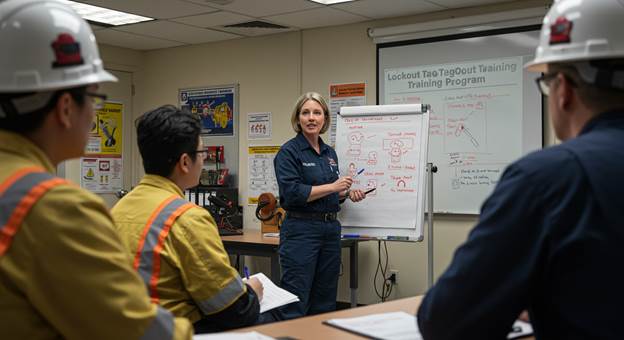
Even the best equipment is ineffective without proper training. Employees must understand hazards and learn how to respond. Effective safety best practices include:
Orientation programs for new hires
Hands-on drills for emergency response
Refresher courses on handling equipment and chemicals
Educated workers are more confident, vigilant, and capable of following facility safety tips that prevent accidents.
Safety Signage and Communication

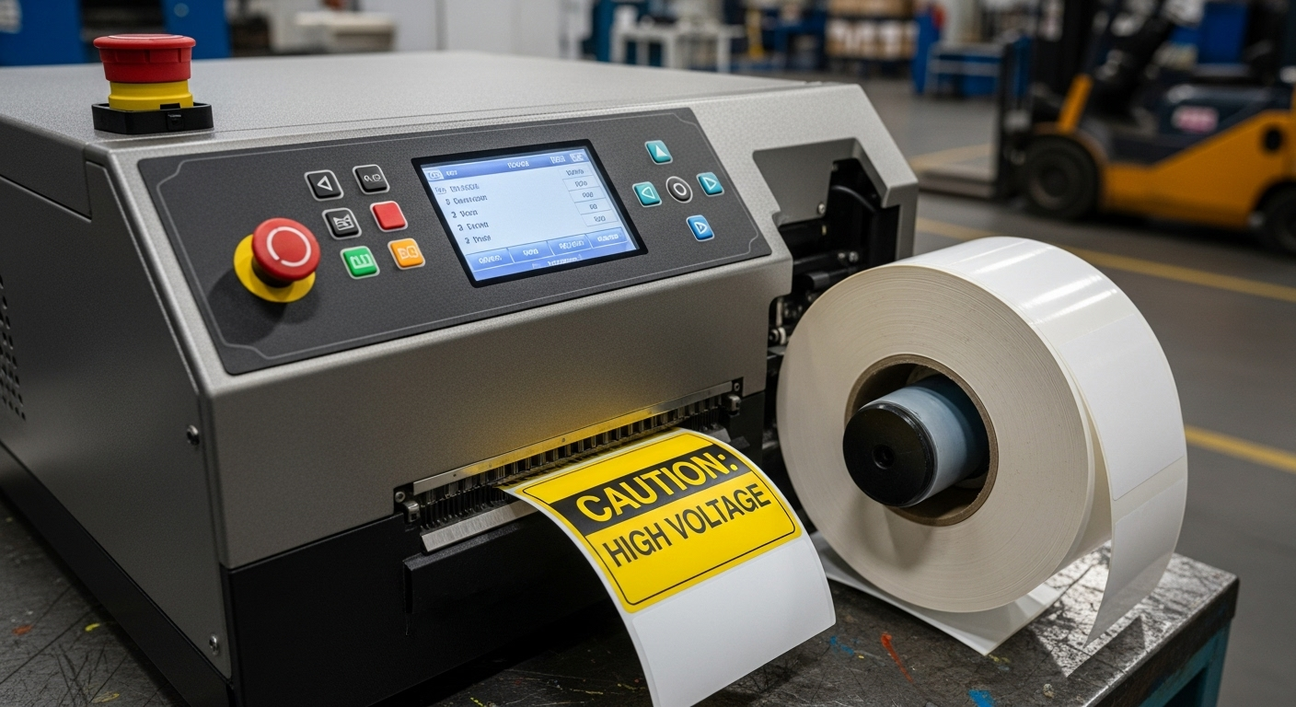
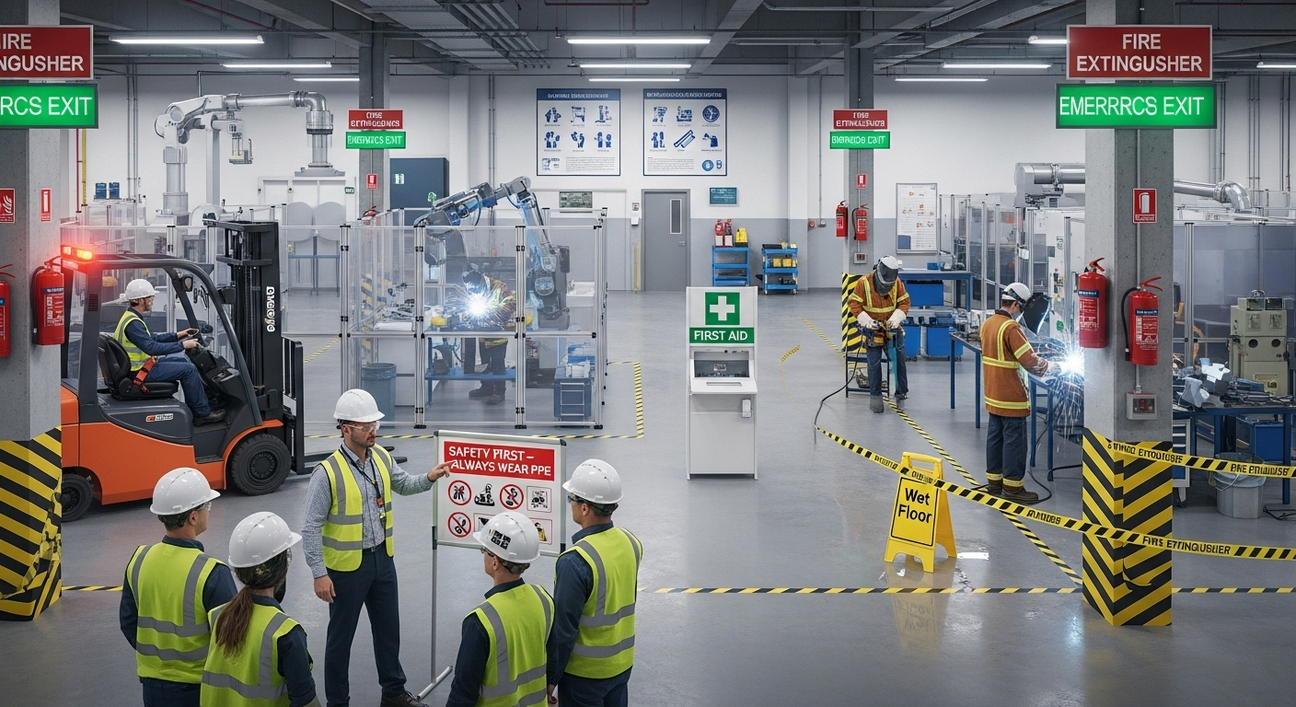
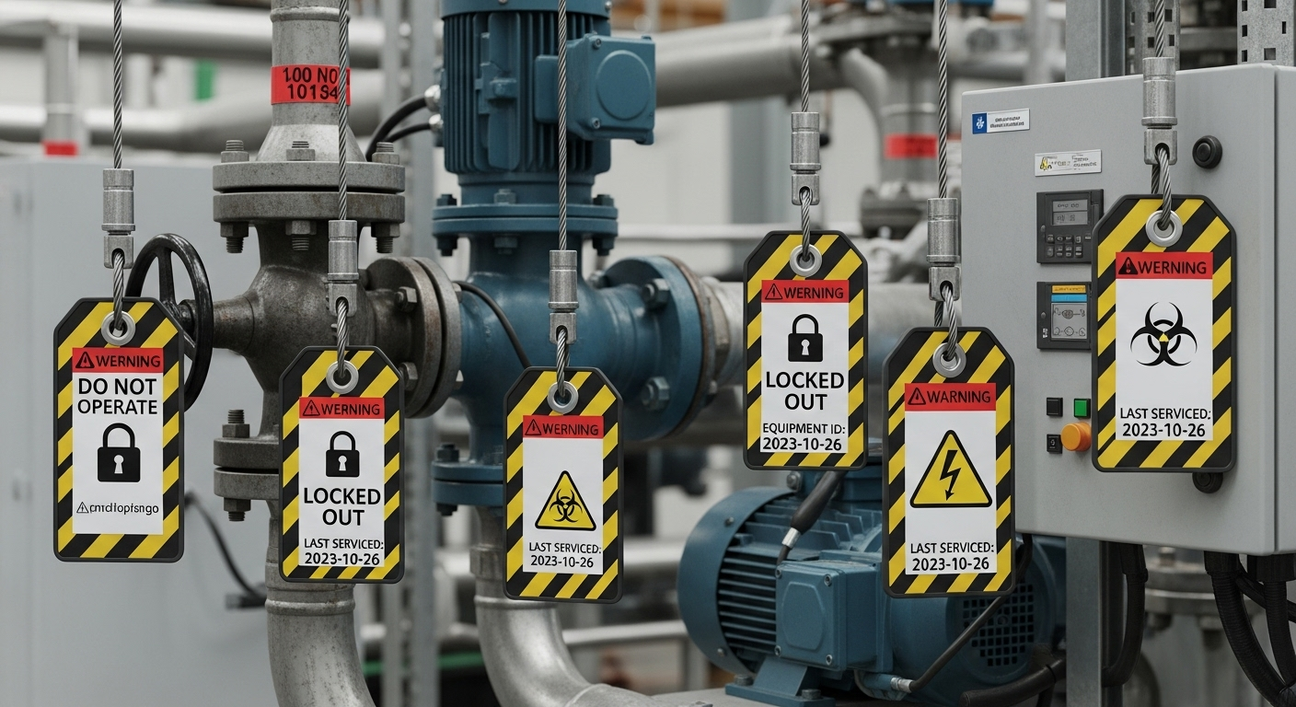
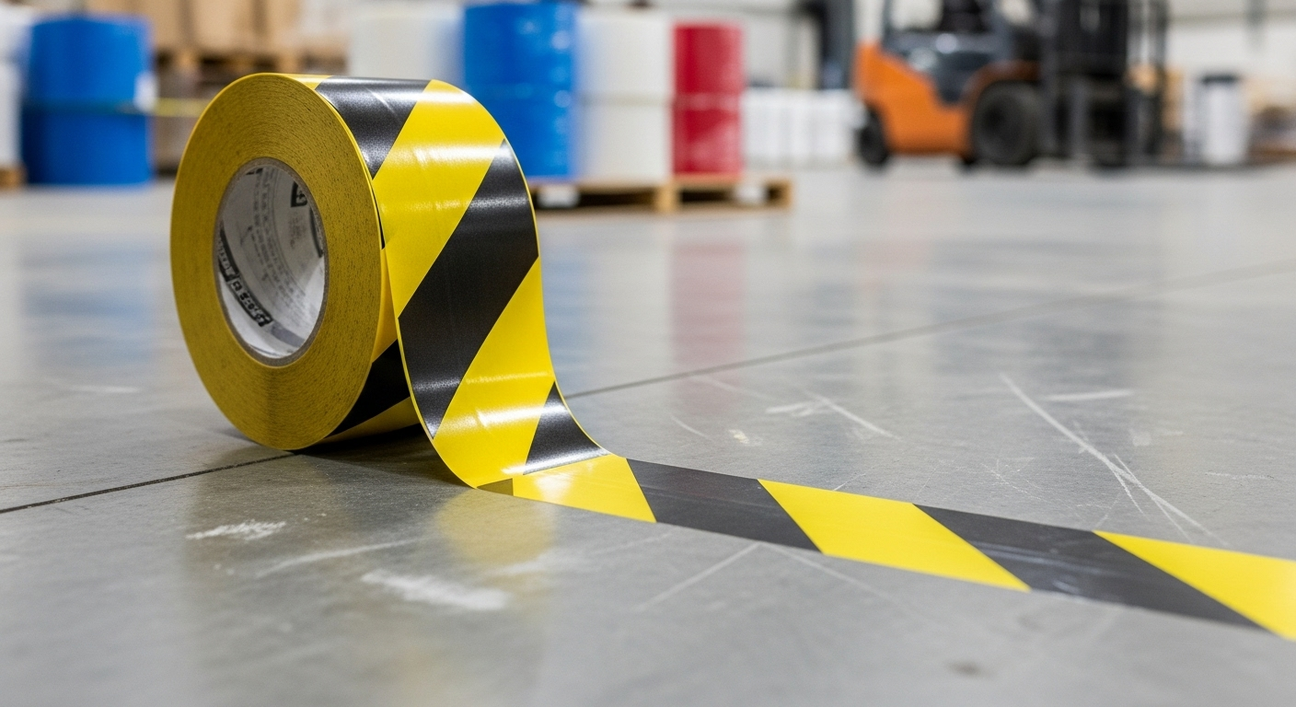
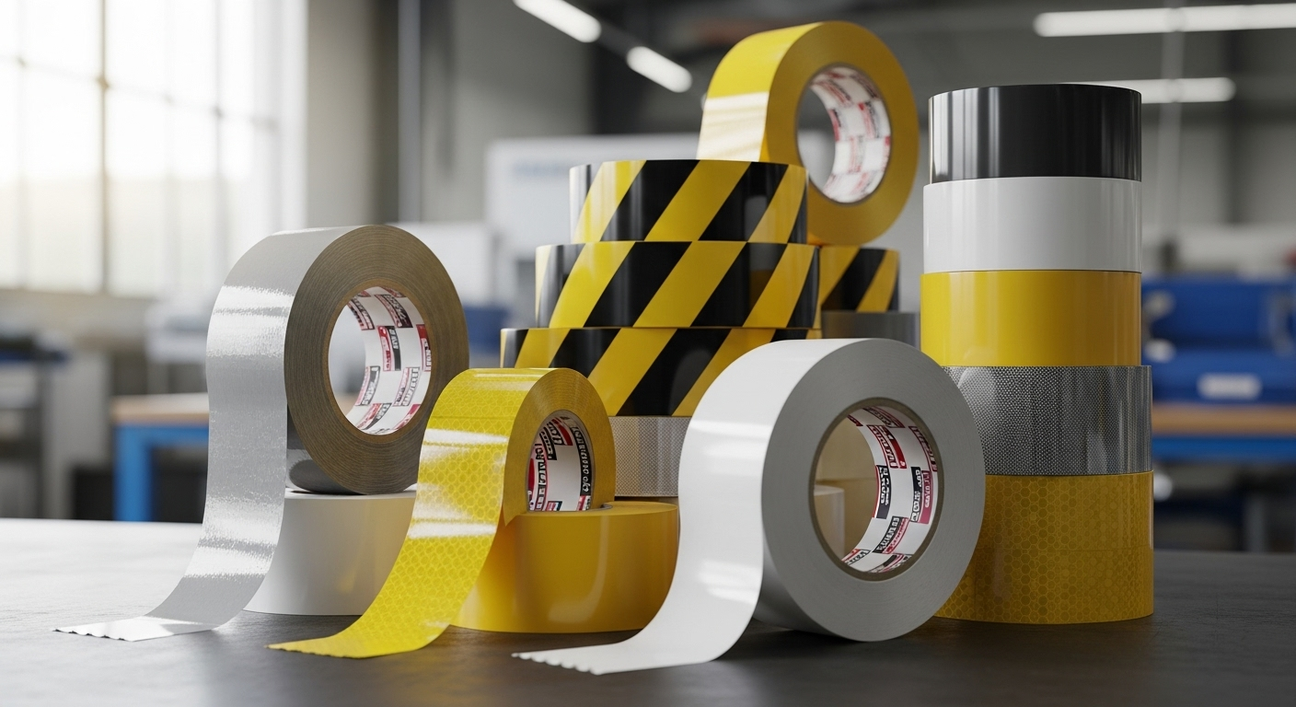
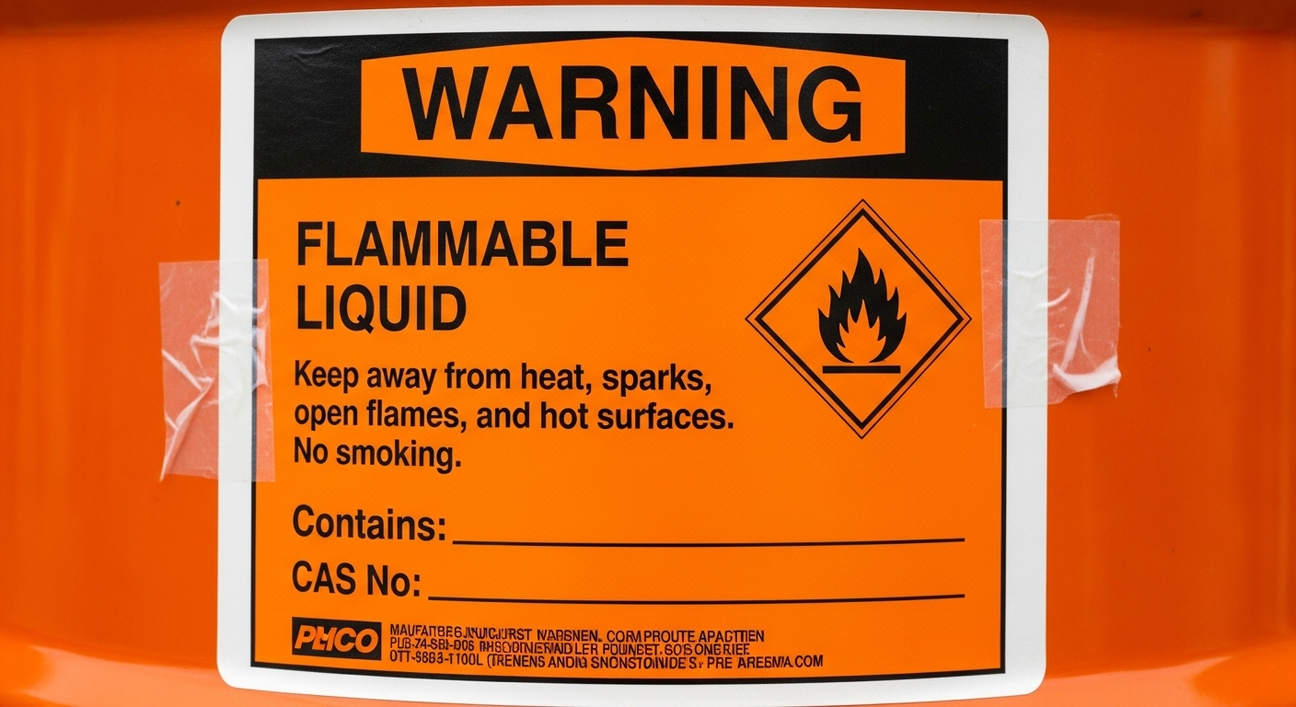
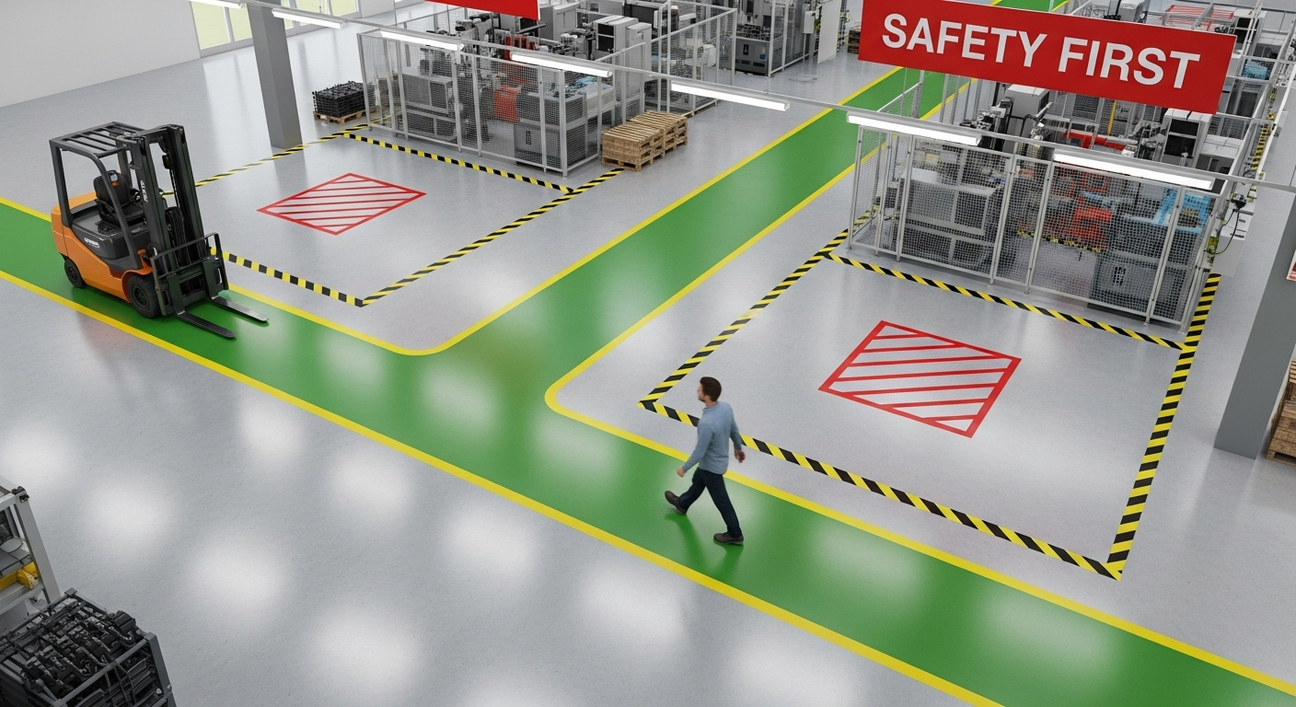
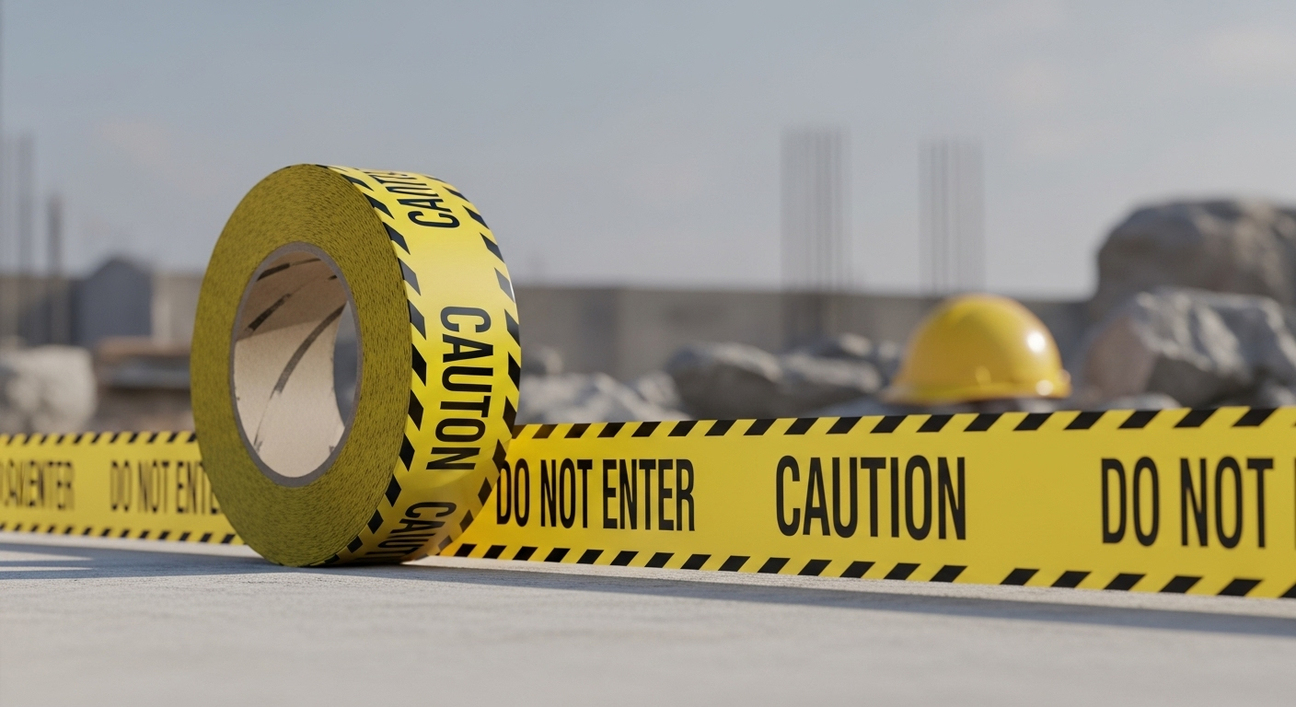
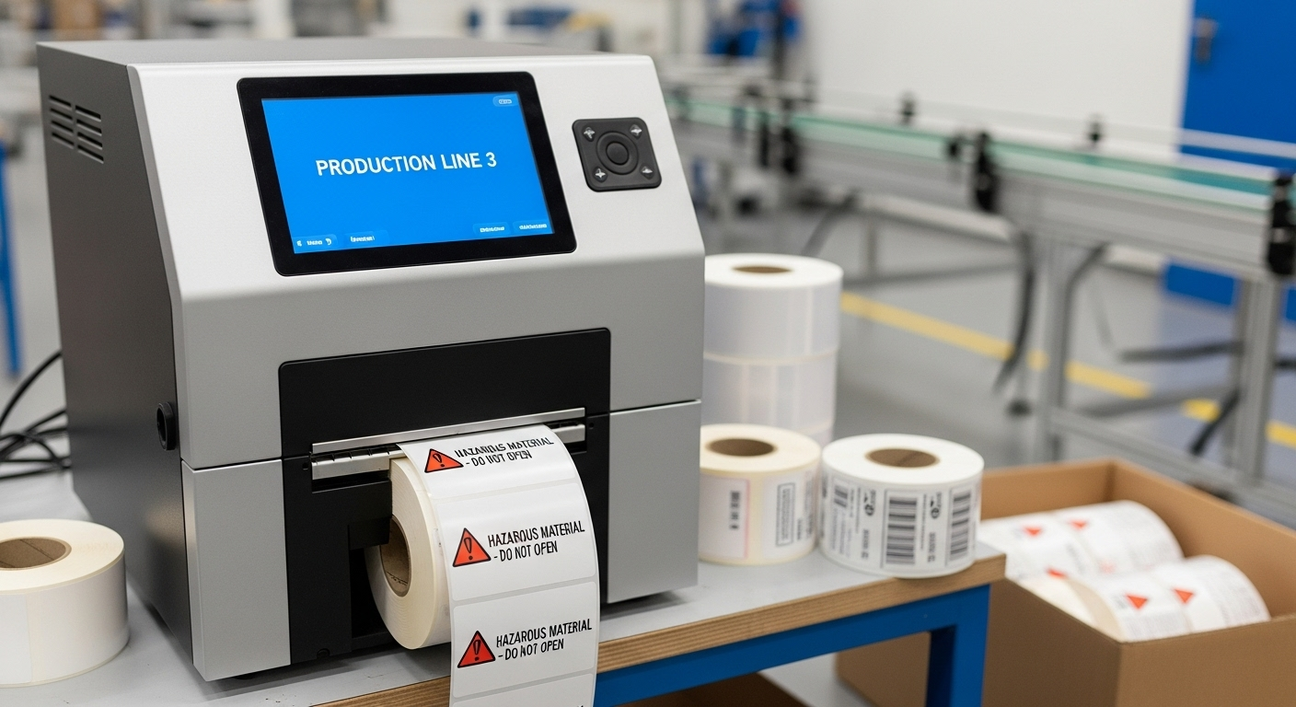
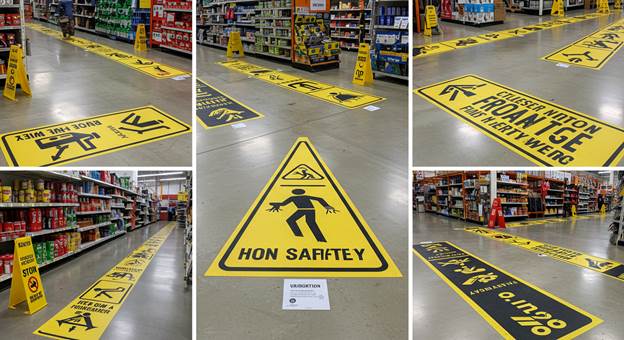
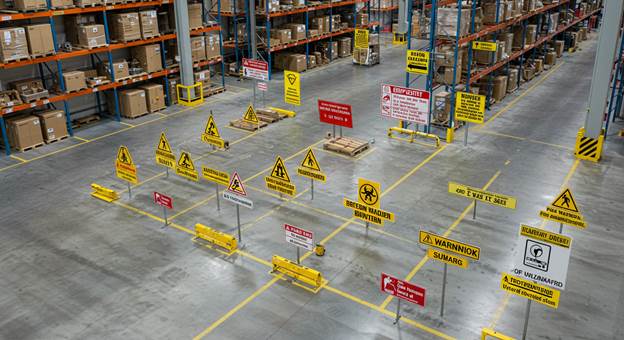
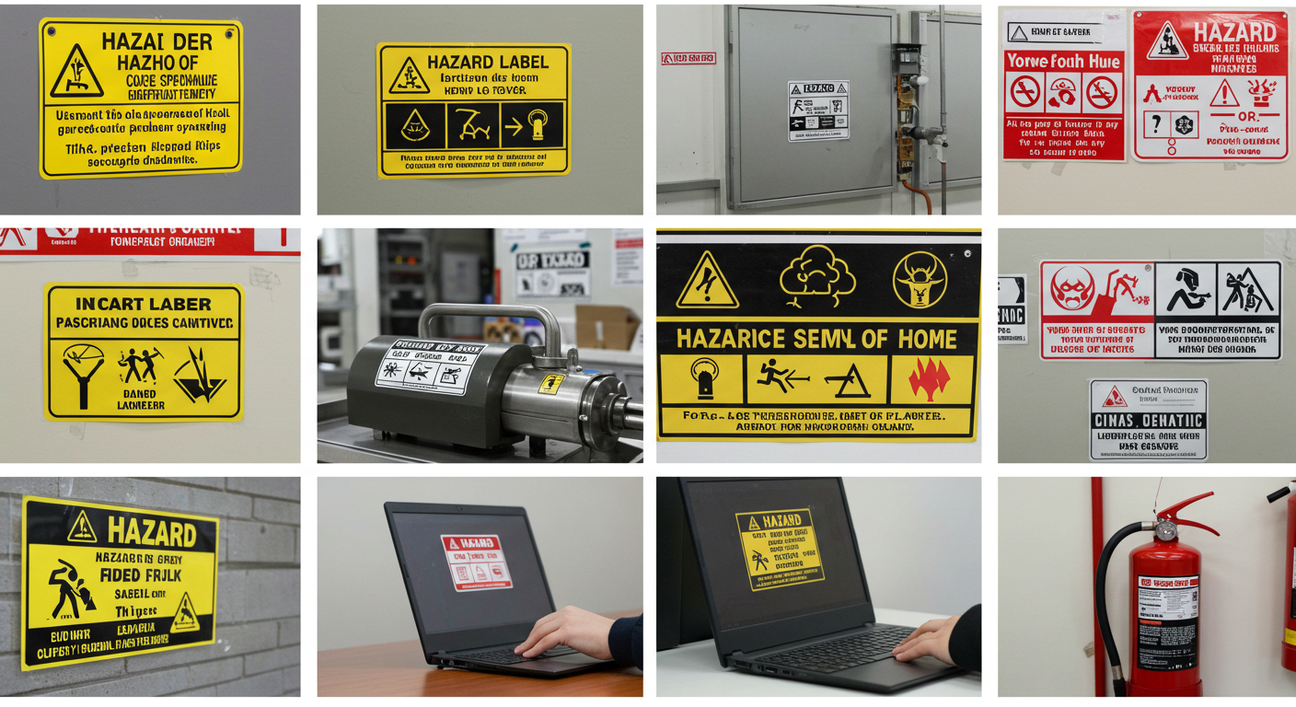
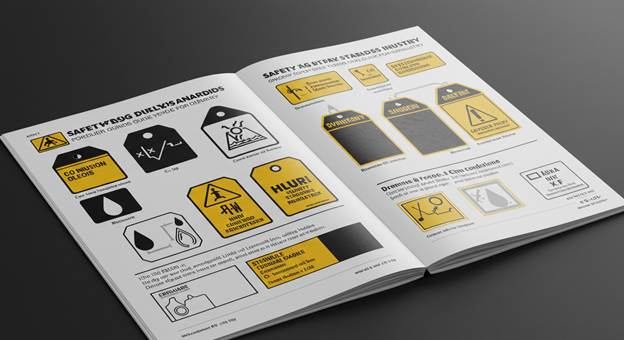
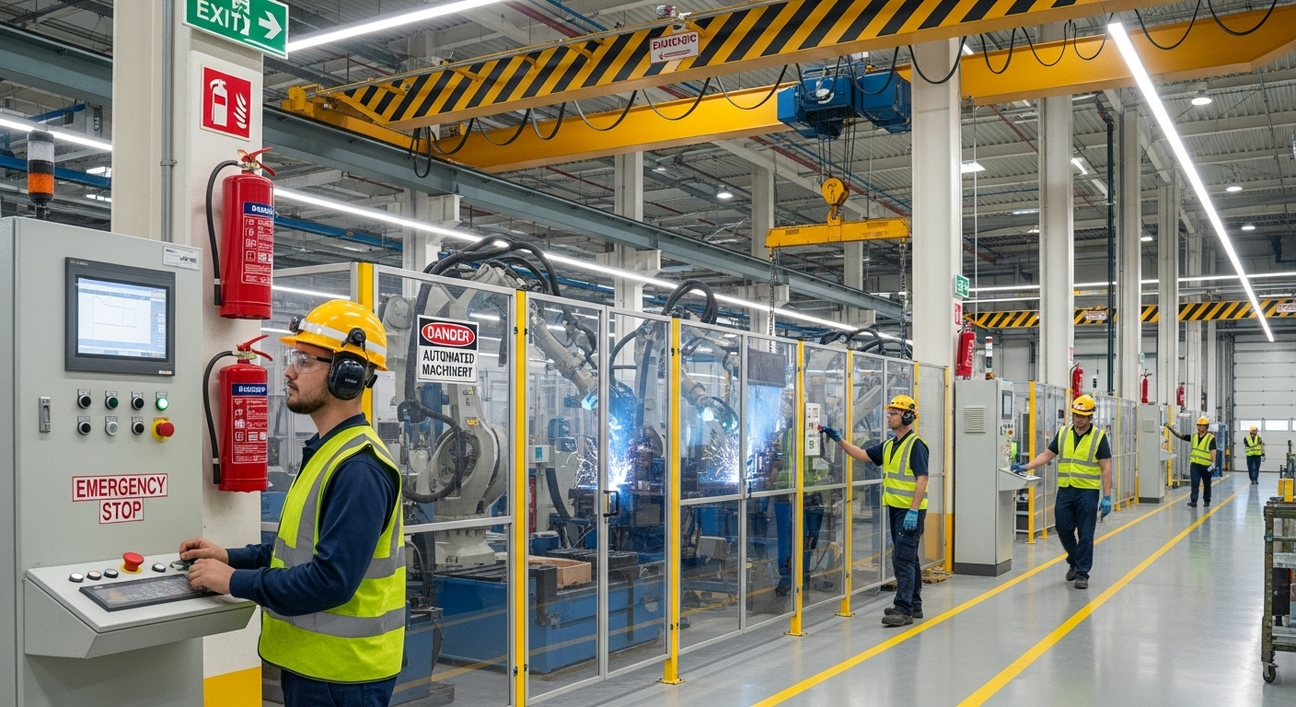
Clear visual cues improve workplace safety by guiding employee behavior. Safety signs, labels, and floor markings communicate hazards and protocols. Examples include:
“Caution: Wet Floor” signs in high-traffic areas
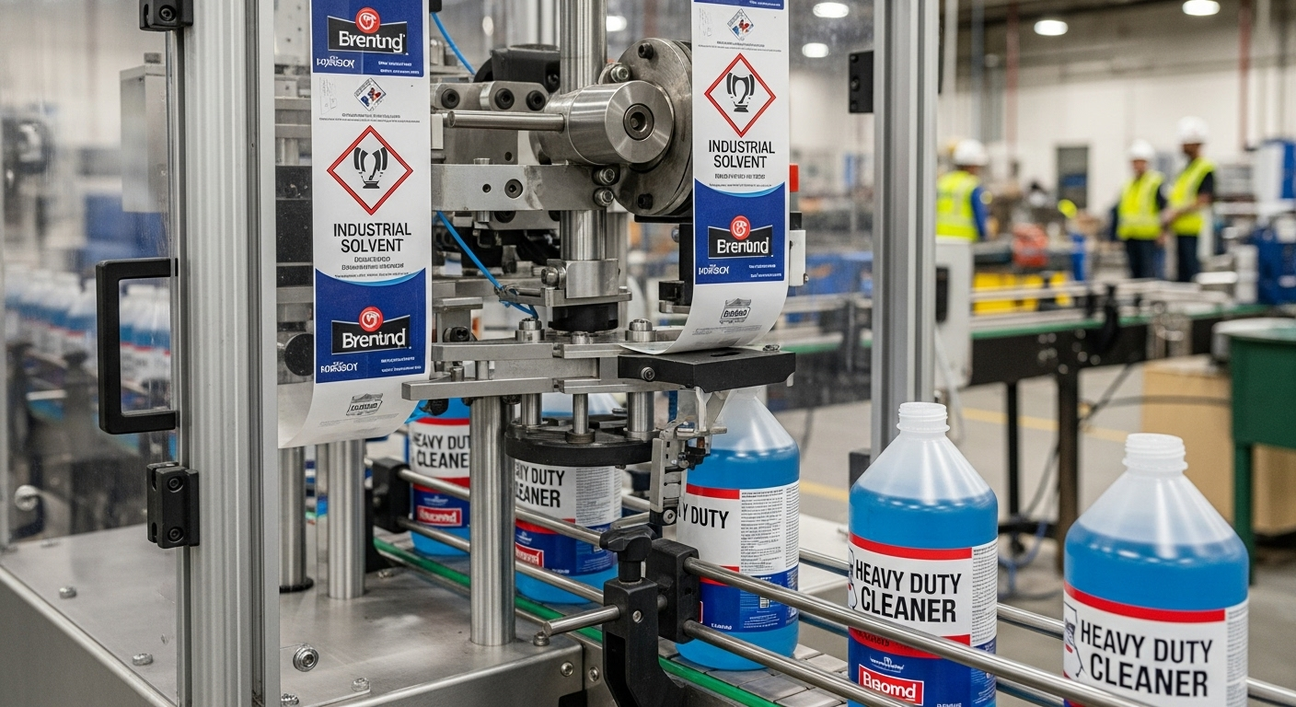
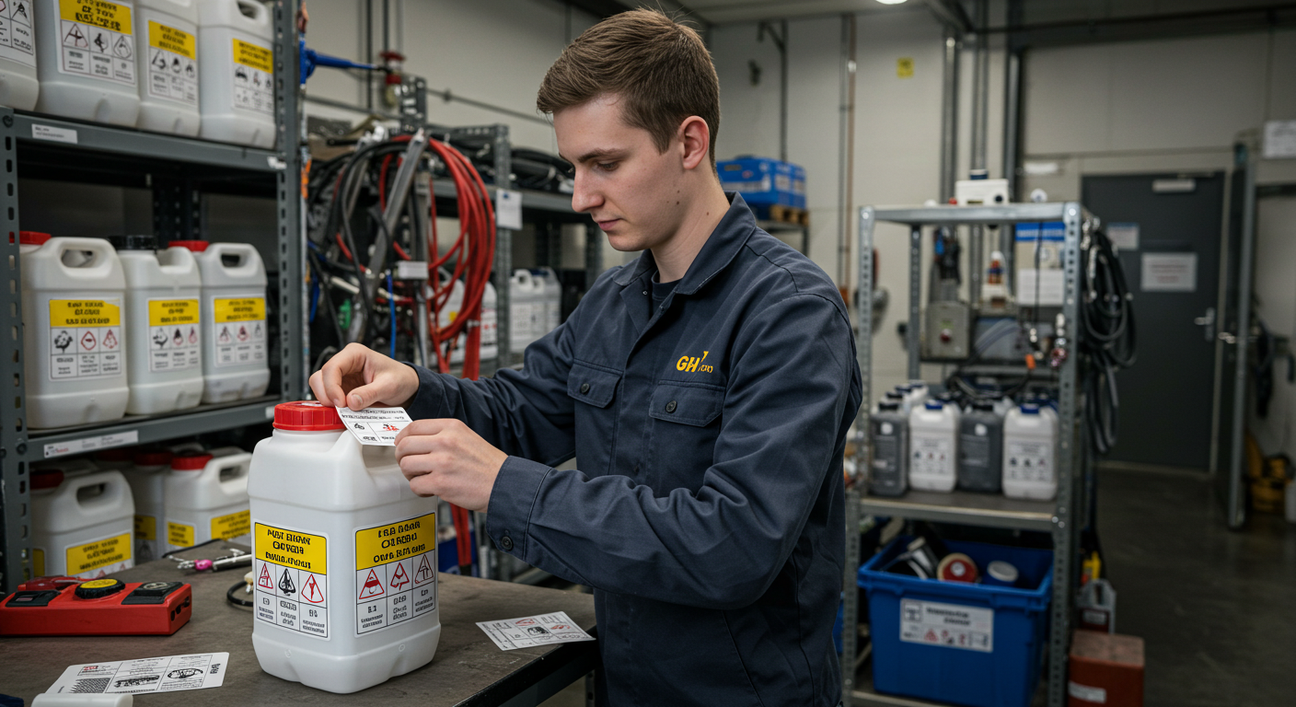
Warning labels on machinery
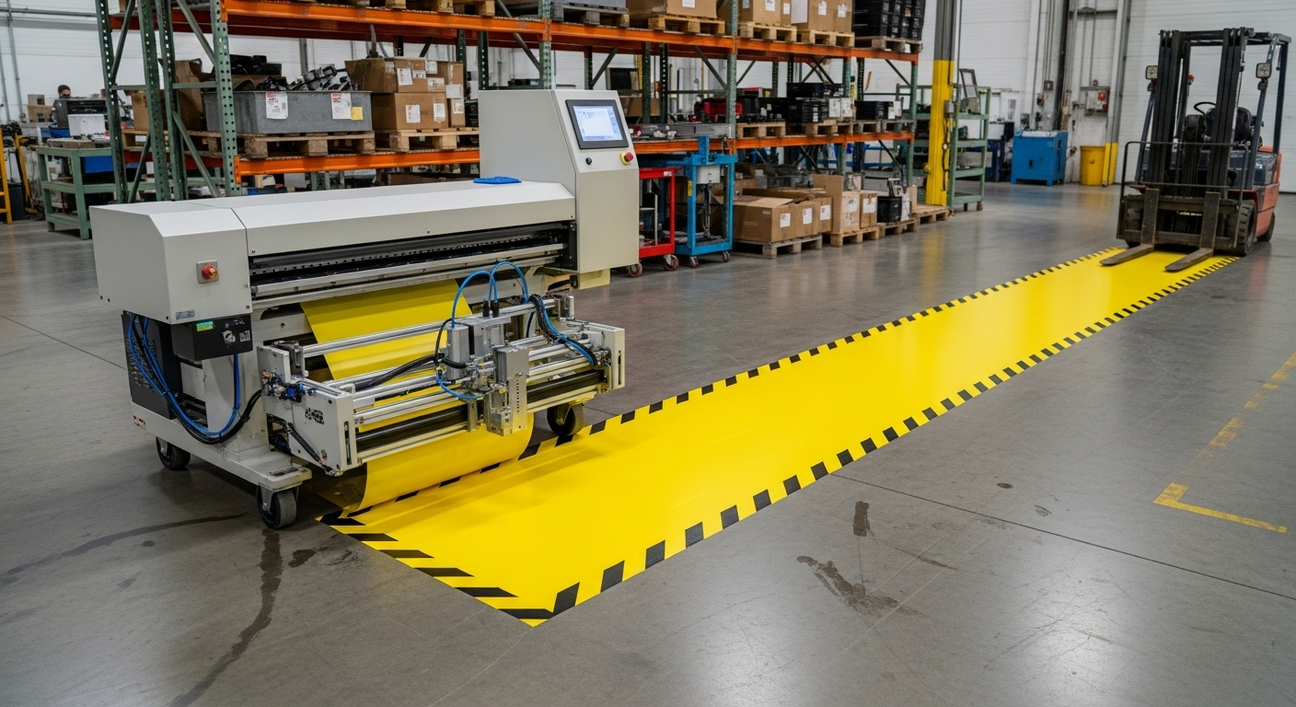
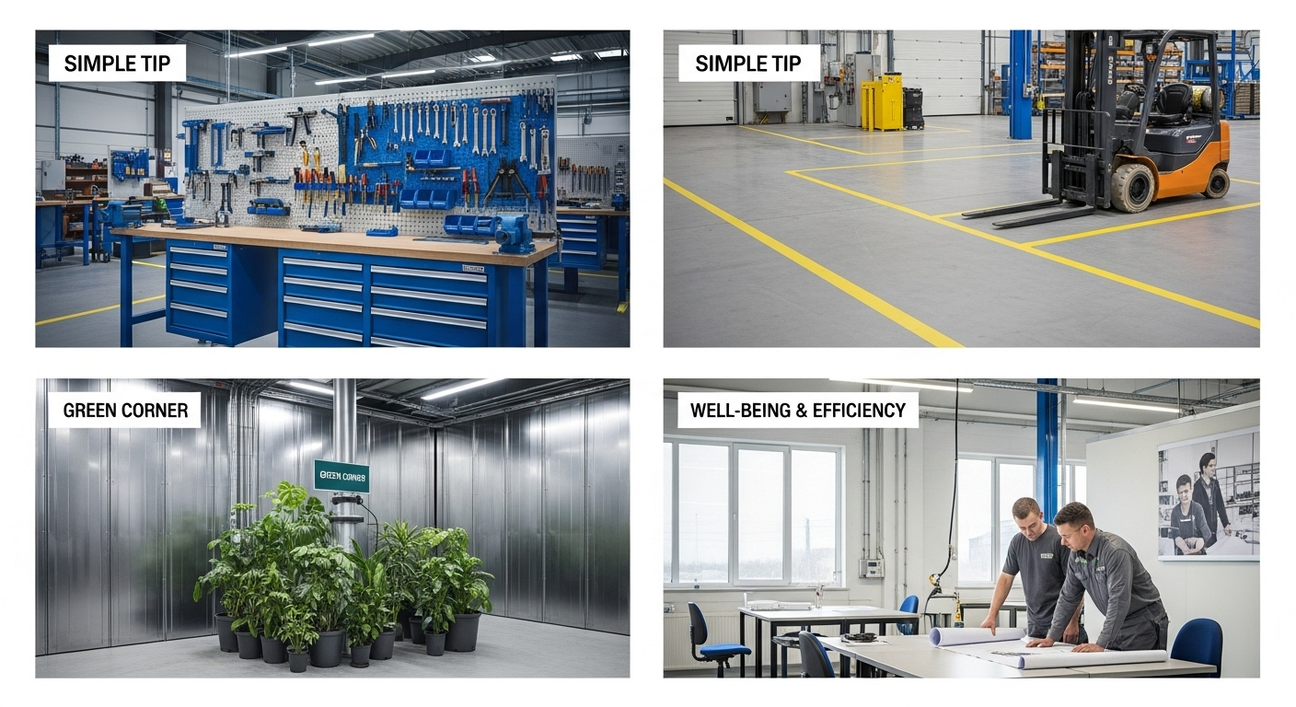
Color-coded pathways for vehicles and pedestrians
Consistent communication is a key part of industrial safety and contributes to workplace accident prevention.
Maintenance and Inspection of Equipment
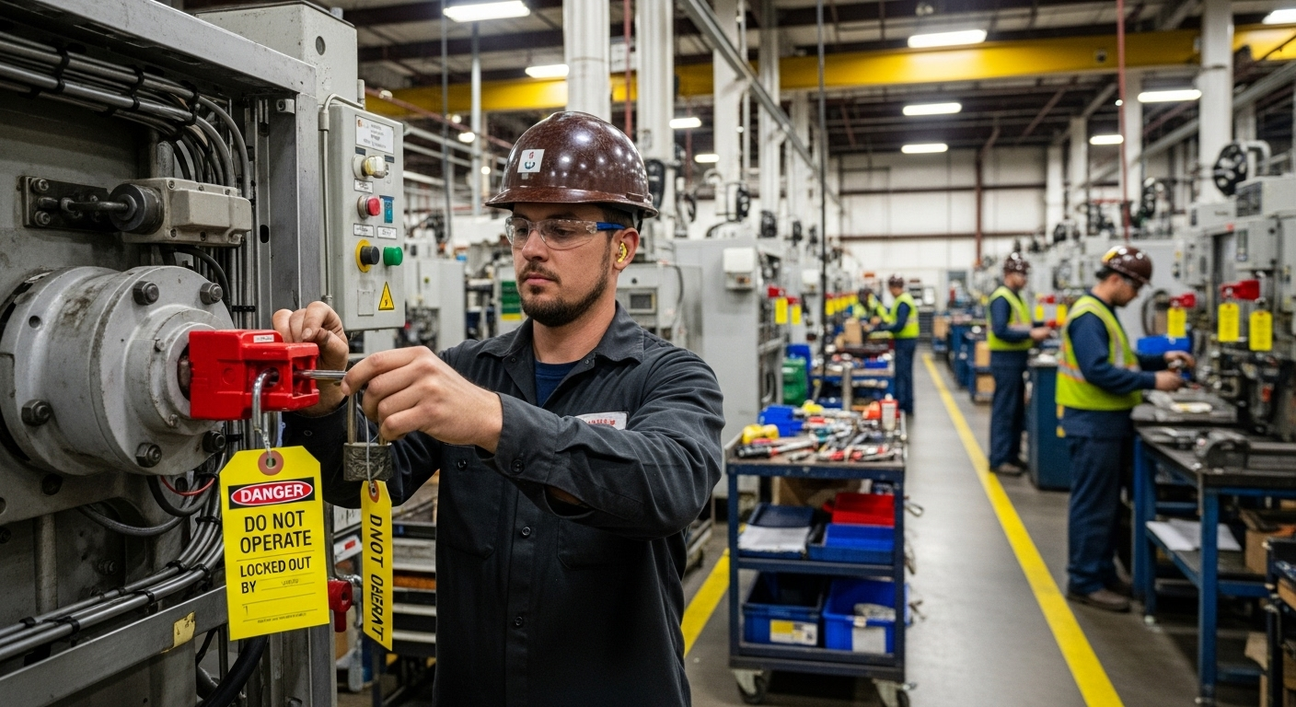
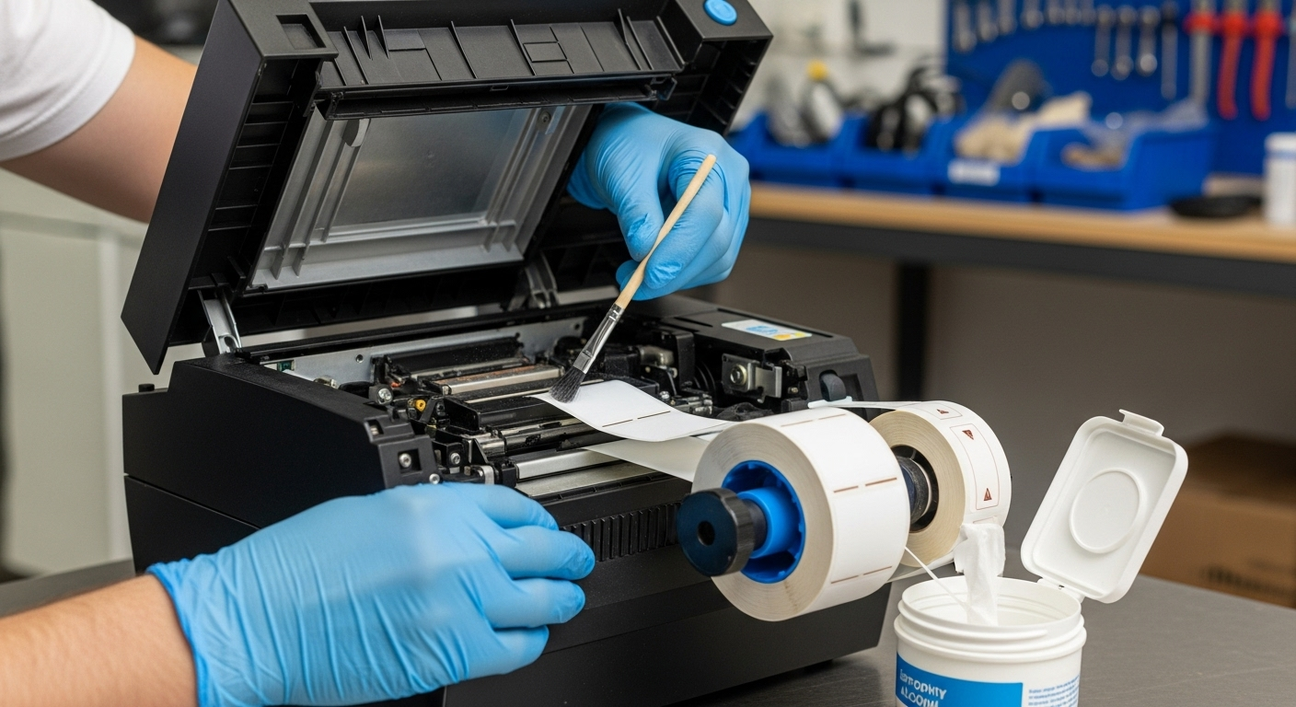
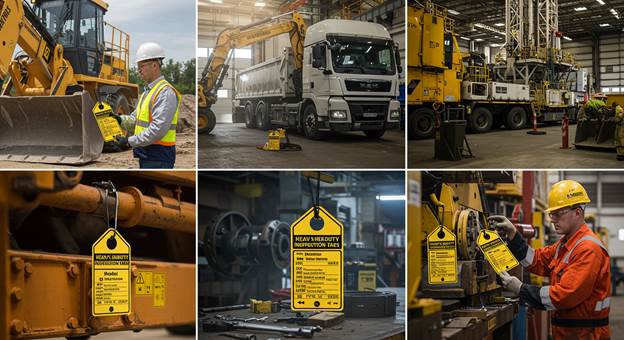
Equipment failure is a common cause of workplace accidents. Regular inspection and maintenance of machinery, tools, and PPE prevent injuries. Steps include:
Daily checks for wear and tear
Scheduled preventive maintenance
Immediate repair or replacement of faulty equipment
Following these facility safety tips ensures equipment functions correctly and reduces injury risk.
Emergency Preparedness and Response
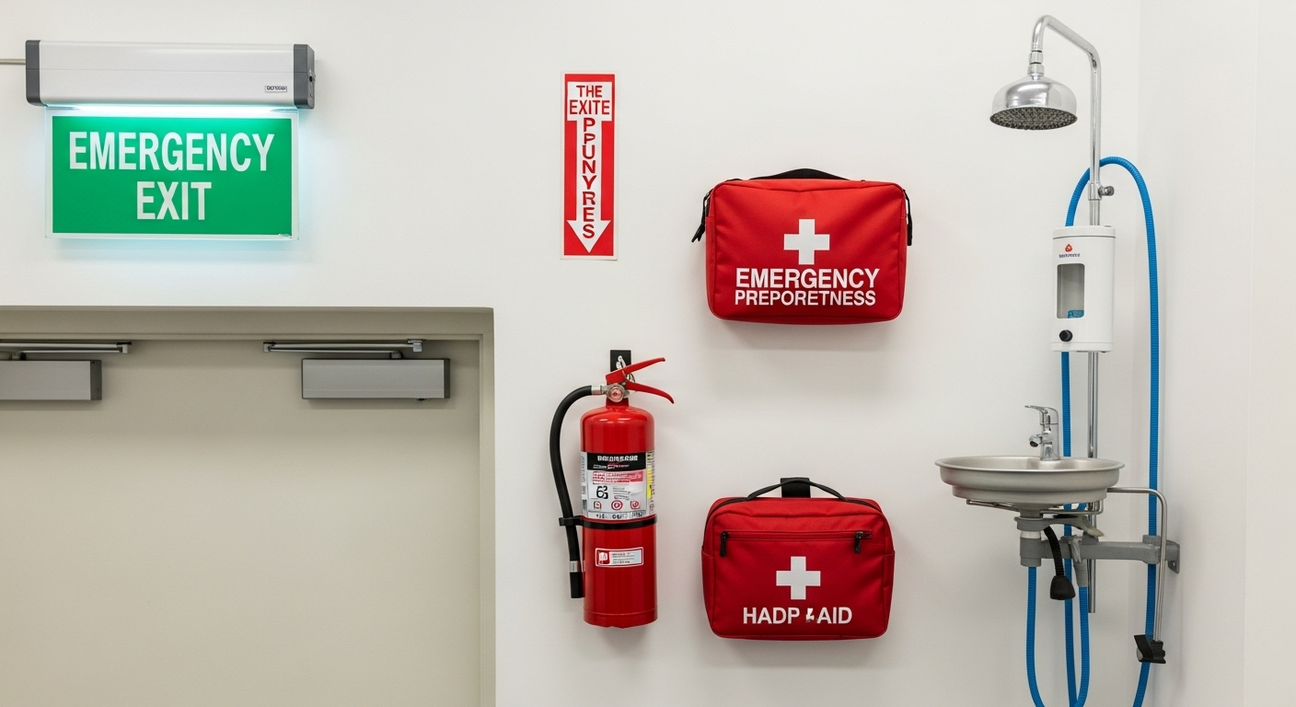
Accidents can happen despite precautions. Being prepared reduces the severity of injuries and improves response times. Essential measures include:
Developing an emergency response plan
Conducting fire drills and evacuation exercises
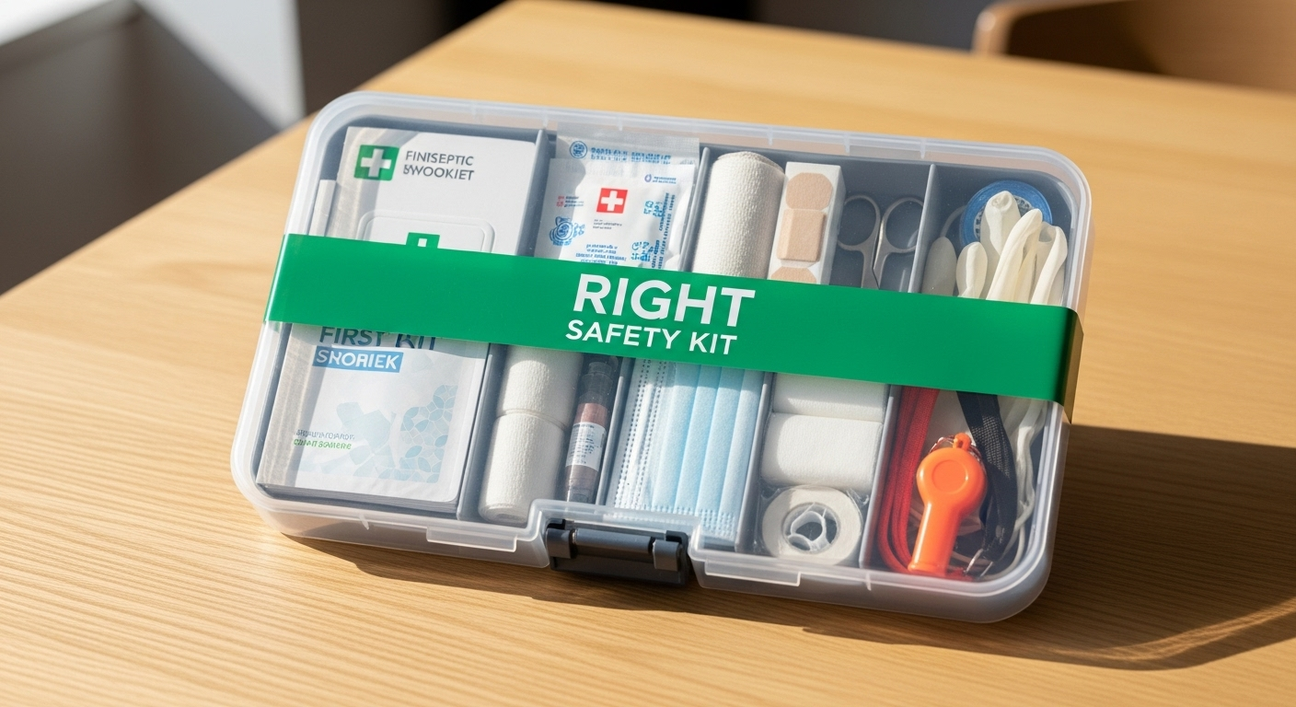
Providing first-aid training for employees
A well-prepared facility fosters confidence and demonstrates commitment to industrial safety.
Implementing Safety Policies and Procedures
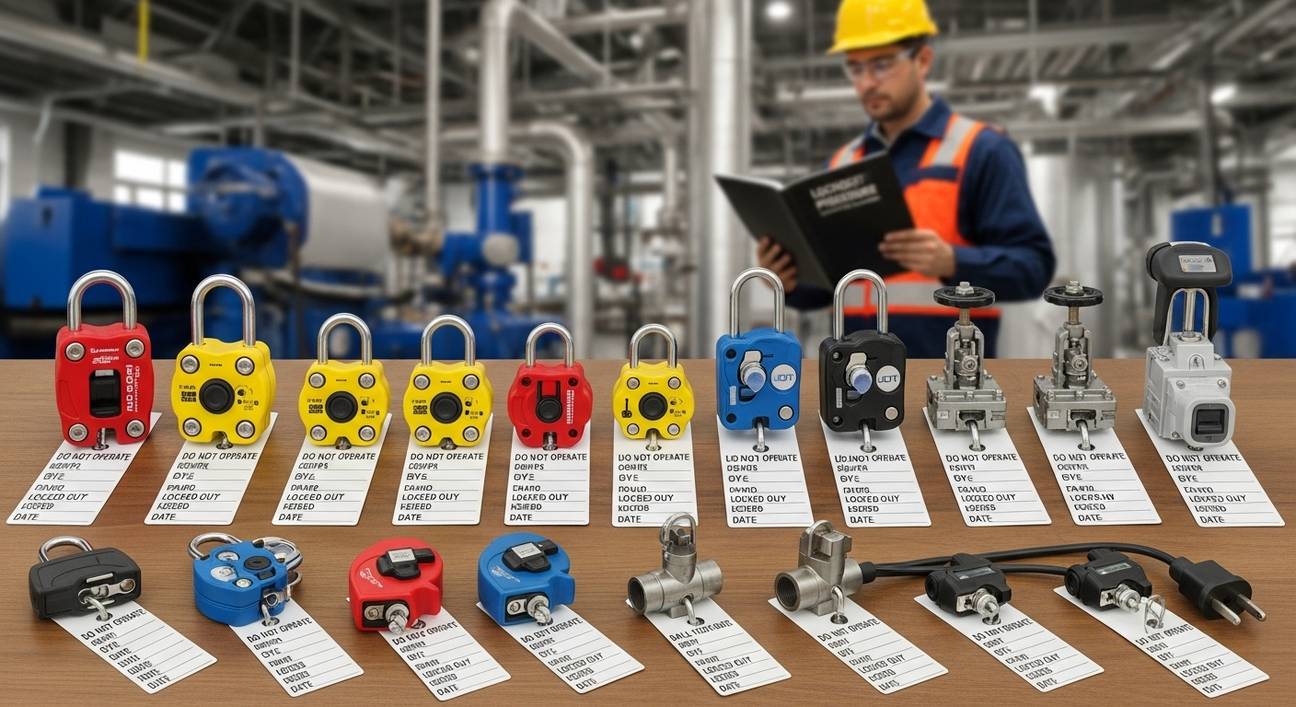
Written safety procedures help standardize safety best practices across the facility. Examples include:
Standard operating procedures (SOPs) for hazardous tasks
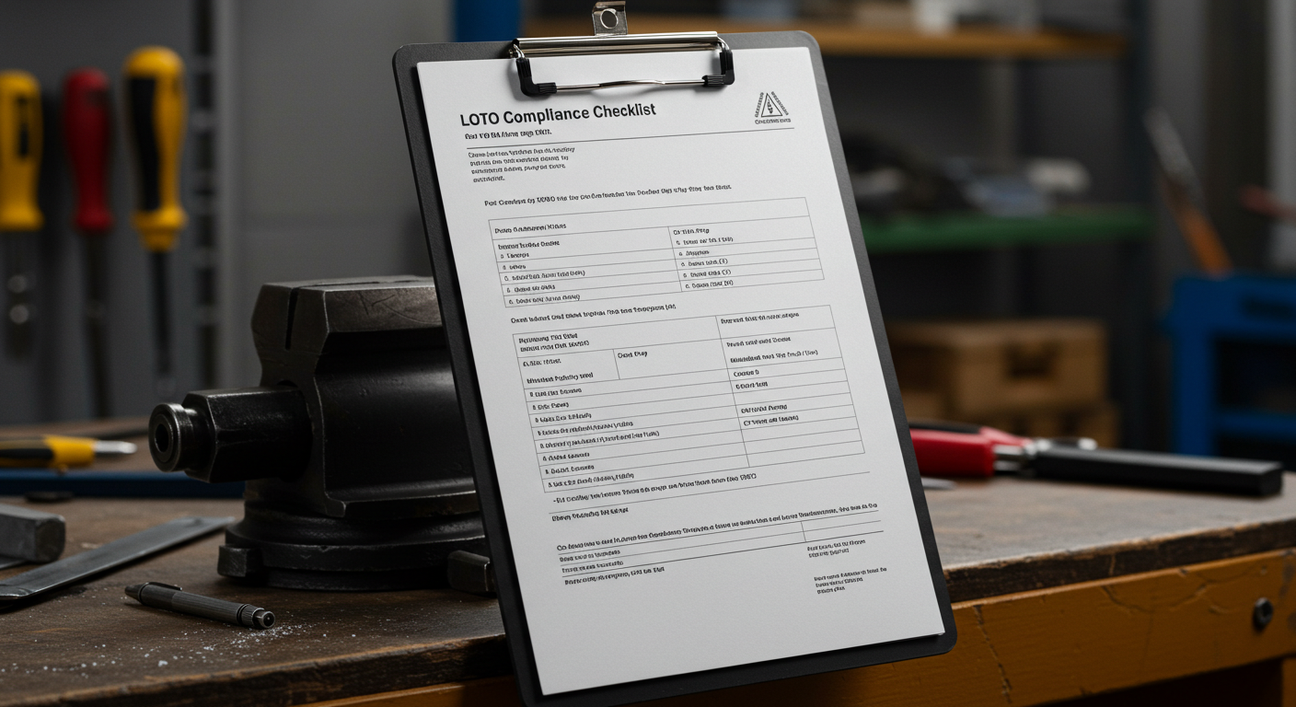
Checklists for equipment use
Clear rules for PPE compliance
Enforcing these policies consistently ensures all employees follow workplace accident prevention measures.
Monitoring and Reporting Workplace Accidents
Tracking incidents and near misses provides valuable insights. Facilities can analyze data to identify trends, improve training, and refine safety protocols. Key steps include:
Recording accidents and near misses
Reviewing incident causes and corrective actions
Updating safety procedures based on findings
This proactive approach strengthens industrial safety and supports injury reduction.
Role of Leadership in Promoting Safety
Management plays a critical role in promoting industrial safety. Leaders set expectations, allocate resources, and foster a safety-first culture. Strategies include:
Demonstrating compliance with safety rules
Recognizing employees who follow safety best practices
Investing in equipment, training, and hazard controls
Strong leadership ensures that facility safety tips are not just recommended but actively followed.
Benefits of Industrial Safety
Implementing comprehensive industrial safety programs delivers multiple benefits:
Fewer workplace accidents and injuries
Reduced insurance premiums and compensation claims
Increased productivity and employee morale
Enhanced company reputation for safety
By focusing on workplace accident prevention, facilities can save costs while creating a safer, more efficient environment.
Common Safety Challenges and Solutions
Despite best intentions, challenges can arise:
Resistance to PPE or safety rules: Address through training and awareness programs
Budget constraints: Prioritize high-risk areas and invest in durable safety gear
Human error: Encourage reporting, feedback, and continuous improvement
Overcoming these challenges ensures ongoing injury reduction and consistent industrial safety.
Emerging Trends in Industrial Safety
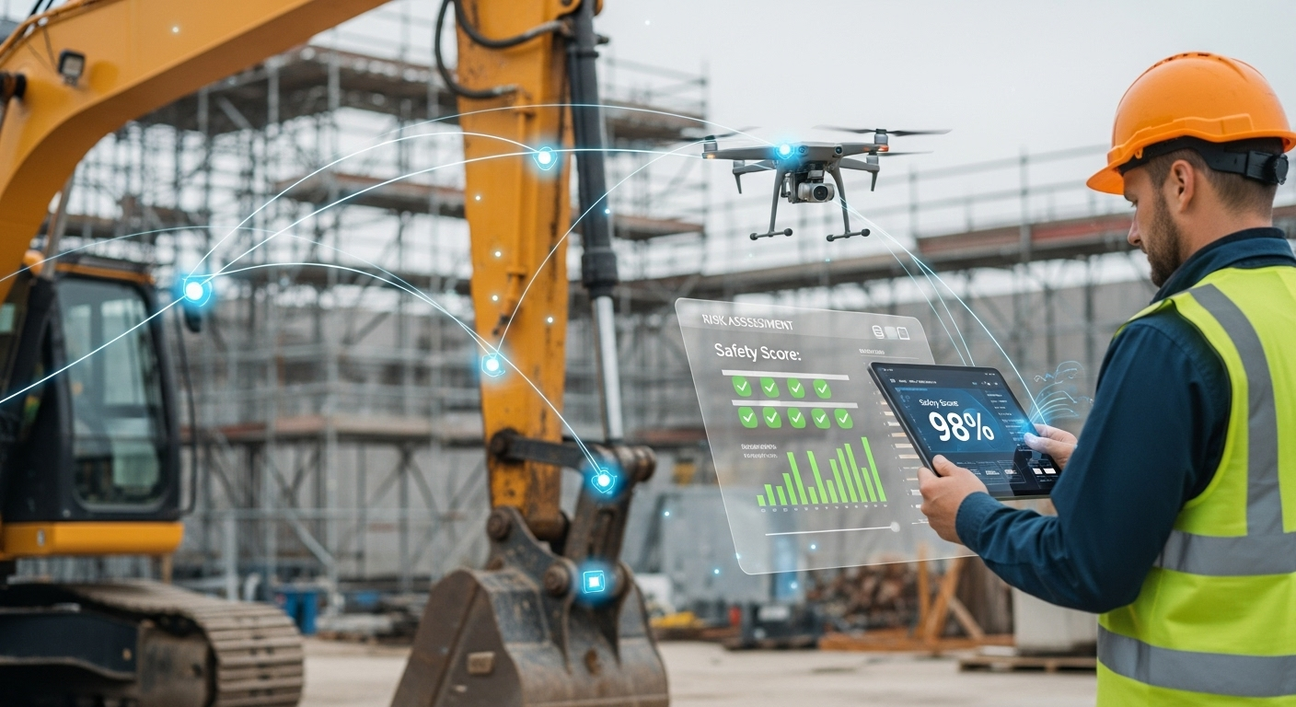
Technology is transforming industrial safety. Innovations include:
IoT sensors for real-time hazard monitoring
Wearable devices to track worker location and exposure
AI-powered predictive maintenance to prevent equipment failures
Integrating these technologies with traditional facility safety tips improves workplace accident prevention.
Conclusion

Prioritizing industrial safety reduces workplace accidents, protects employees, and enhances operational efficiency. By combining risk assessment, PPE, training, equipment maintenance, and clear communication, facilities can foster a culture of safety.
Adopting safety best practices, following facility safety tips, and investing in protective measures leads to measurable injury reduction and stronger organizational performance. Brands like Archford offer reliable solutions that help industrial facilities implement comprehensive safety programs with confidence.
FAQs
What is industrial safety?
Industrial safety involves procedures, protective equipment, and practices designed to reduce risks and prevent accidents in the workplace.
How does industrial safety reduce workplace accidents?
By implementing proper equipment, training, maintenance, and safety protocols, facilities can prevent injuries and unsafe incidents.
What are some common workplace accident prevention strategies?
Using PPE, conducting risk assessments, providing safety training, maintaining equipment, and clear safety communication are key strategies.
Why is leadership important in promoting safety?
Management sets safety standards, enforces rules, and encourages a culture where employees follow safety best practices.